
Planting
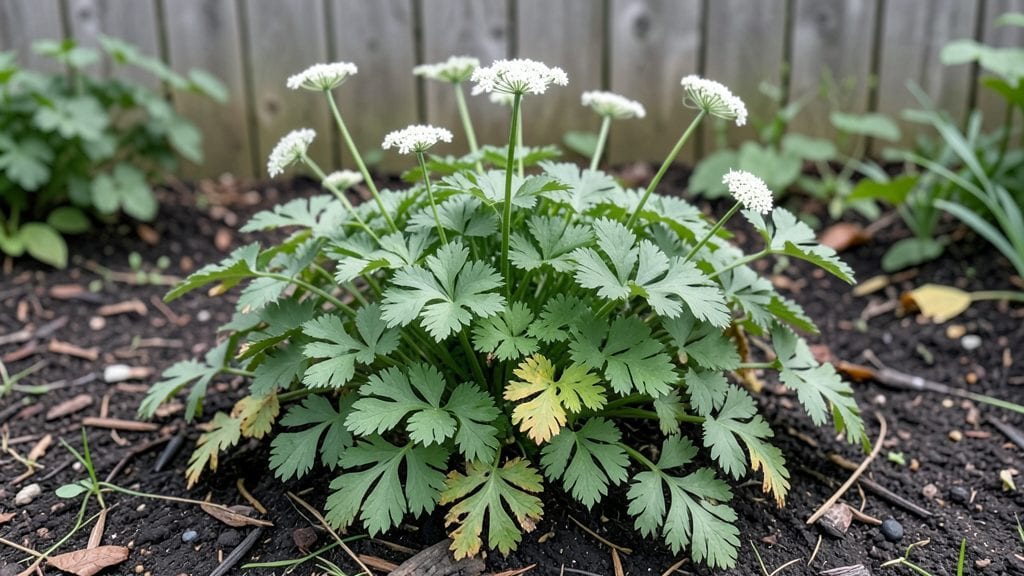
Transform your cilantro plant garden into a burst of flavor in just three weeks—here’s how to snip fresh herbs without the bitter twist. 🌱 The secret? Timing, shade, and consistent moisture.
Most people give up after their plants bolt, but with the right approach, you’ll have fresh cilantro ready for tacos, salads, and salsas before you know it.
The best part? You don’t need a big garden—cilantro thrives in containers or small garden beds as long as it gets 4-6 hours of morning sun and afternoon shade.
Start seeds indoors 2-3 weeks before your last frost or sow directly in warm soil, then keep the soil damp (not soggy) to prevent bolting. Once established, it grows fast—harvesting begins in about 6 weeks—and the more you snip, the bushier it gets.
By following this method, you’ll avoid the common pitfalls: bitter leaves, leggy stems, and plants that bolt too soon. The flavor stays bright and fresh, and you’ll never have to buy cilantro from the store again.
Plus, the smell of fresh cilantro in your kitchen is a game-changer—nothing beats the real thing.
Whether you’re growing in a sunny windowsill, balcony planter, or backyard bed, this approach works for any climate with a few simple adjustments. Let’s get those seeds in the ground and start harvesting in no time!
📚 In This Guide
- What you need
- Instructions
- Tips and common mistakes
- Wrapping up and next steps
What you need
- ● Cilantro seeds: 1 packet (about 50-100 seeds, non-GMO preferred for best flavor).
- ● Containers: For indoor gardening: 4-6-inch diameter pots (2-4 pots per batch).
- ● For outdoor gardening: 12-inch deep containers or garden beds with well-draining soil.
- ● Potting mix: 1 bag of high-quality, seed-starting mix (sterilized and organic).
- ● Watering can or spray bottle: With a fine rose nozzle for gentle watering.
- ○ Gloves (optional): To keep hands clean while handling soil.
- ● Trowel or small shovel: For transplanting seedlings (if outdoors).
- ○ Fertilizer (optional): Balanced liquid fertilizer (5-5-5 NPK) or compost for nutrient boost.
- ● Grow lights (indoor only): LED or fluorescent lights (12-16 hours/day) if natural light is limited.
- ● Mulch (outdoor only): Straw or shredded leaves to retain moisture.
- ● Sunlight: 6+ hours of direct sunlight daily (or grow lights for indoor setups).
- ● Temperature: Ideal range of 50–80°F (10–27°C). Avoid planting in extreme heat.
- ● Space: Ensure containers have drainage holes to prevent root rot.
Step-by-Step instructions for growing cilantro from seed
Here’s how to get fresh cilantro growing in just 3-4 weeks—fast enough to harvest before it bolts.
🌱 Step 1: Prepare Containers and Planting Mix
Fill your 4-inch pots with 2 cups of potting mix per container, leaving about ½ inch space at the top. Press the soil down lightly—you want it firm enough to hold seeds but still loose for roots to spread. I always tap the pots gently on the table to settle the soil evenly. This prevents air pockets that can delay germination.
Cilantro seeds are tiny, so I like to sprinkle them directly from the packet. Scatter 5-6 seeds per pot (you’ll thin later) and cover them with just ¼ inch of additional potting mix. Press lightly with your finger—don’t pack it down, or the seeds may struggle to push through. A fine mist from a spray bottle keeps the soil damp without displacing seeds.
💧 Step 2: Keep Soil Moist and Warm for Germination
Place the pots in a warm spot, ideally 65-75°F. A seedling heat mat speeds things up, but even a sunny windowsill works. Keep the soil consistently moist—never soggy. I check daily by sticking my finger ½ inch deep; if it feels dry, give it a light watering. Overwatering now can drown seeds before they sprout.
Germination takes 7-14 days, but don’t rush it. Once you see the first true leaves (not the initial seed leaves), thin to the strongest 2-3 seedlings per pot. Use scissors to snip extras at soil level—pulling risks disturbing roots. This gives your cilantro room to grow without competing for nutrients.
☀️ Step 3: Provide Bright, Indirect Light
Move your pots to a spot with 4-6 hours of bright, indirect light daily. A south-facing window works, but direct midday sun can scorch young leaves. If your cilantro starts stretching toward the light (leggy growth), it’s not getting enough. Rotate pots a quarter turn every few days so plants grow straight and sturdy.
Watch for first harvest-ready leaves in 3-4 weeks. They’ll be about 2-3 inches tall and have a bright green color. Pinch off the outer leaves first—this encourages bushier growth. Avoid harvesting more than ⅓ of the plant at once, or it may bolt (go to seed) quickly.
✂️ Step 4: Maintain and Harvest Regularly
Water when the top ½ inch of soil feels dry, but never let pots sit in water. Cilantro hates soggy roots. After each harvest, add a ½ teaspoon of balanced fertilizer to the soil to keep growth vigorous. I fertilize every 4-6 weeks or when new leaves slow down.
To prevent bolting (when cilantro flowers and tastes bitter), harvest frequently and keep plants in cooler conditions (below 75°F). If you see flower buds forming, snip them immediately. With consistent care, you’ll get multiple harvests per season—enough for tacos, soups, and garnishes without buying a bunch.
Tips & tricks for perfect cilantro plant garden
Here's what I learned after growing cilantro for years—these tricks make all the difference between fast, healthy plants and frustrating failures.
Seed Placement Matters: In Step 1, when you're planting those tiny seeds, don't be tempted to bury them deeper than ¼ inch. Cilantro seeds need light to germinate—covering them too deeply can prevent them from sprouting. I like to use a toothpick to create small divots for each seed, then cover with a sprinkle of soil. This keeps them properly positioned without packing them down too firmly.
Germination Speed Hack: The 7-14 day germination window can feel long, but you can speed things up by placing your pots in a warm spot (65-75°F) with a plastic bag loosely draped over them. This creates a mini greenhouse effect while still allowing airflow. Just remove the bag once you see sprouts appearing—usually within 5-7 days if conditions are right.
Lighting Secret: In Step 3, when you're providing bright indirect light, watch for those first signs of leggy growth. If your cilantro starts stretching toward the light source, it's not getting enough light. I've found that rotating pots a quarter turn every few days helps prevent this uneven growth. For indoor growers, a simple LED grow light on a timer works wonders—just 4-6 hours daily keeps them sturdy and healthy.
Harvesting Strategy: The key to multiple harvests is regular maintenance. After your first harvest in 3-4 weeks, always pinch off the outer leaves first—this encourages bushier growth. I've also noticed that harvesting in the morning gives the brightest flavor, as the essential oils are most concentrated then. Never take more than ⅓ of the plant at once, or you'll trigger that bitter bolting response.
Pro Tips for Cilantro Plant Garden
- Here's what I learned after growing cilantro for years—these tricks make all the difference between fast, healthy plants and frustrating failures.
- Seed Placement Matters: In Step 1, when you're planting those tiny seeds, don't be tempted to bury them deeper than ¼ inch.
- Germination Speed Hack: The 7-14 day germination window can feel long, but you can speed things up by placing your pots in a warm spot (65-75°F) with a plastic bag loosely draped over them.
Frequently asked questions
Got questions about growing cilantro in your garden?
You’re not alone! Here are answers to the most common questions to help you cultivate this flavorful herb like a pro.
How long does it take for cilantro to grow from seed?
Cilantro seeds typically sprout in 5–14 days (depending on temperature and soil conditions). Once planted, you can harvest leaves in 3–4 weeks for baby cilantro or wait 6–8 weeks for full-sized plants. For a continuous harvest, sow seeds every 2–3 weeks.
Can cilantro survive frost?
Yes! Cilantro is cold-hardy and can tolerate light frosts down to 20°F (-6°C). In fact, a light frost can even enhance its flavor. However, avoid heavy freezes or prolonged cold snaps, as they may damage the plant. For winter growing, use row covers or move pots indoors.
Why does my cilantro bolt (go to seed) so quickly?
Cilantro bolts—sending up tall flower stalks—due to heat, drought, or overmaturity. To delay bolting:
- Plant in cool seasons (spring/fall).
- Keep soil consistently moist (not soggy).
- Harvest leaves frequently to encourage bushier growth.
- Choose slow-bolting varieties like ‘Santo’ or ‘Calypso.’
What can I plant with cilantro to prevent pests?
Cilantro benefits from companion planting! Try these pest-repelling pairings:
- Tomatoes (cilantro deters aphids).
- Carrots (improves flavor and growth).
- Onions or garlic (discourages spider mites).
Can I grow cilantro indoors without a garden?
Cilantro thrives indoors with:
- A sunny windowsill (6+ hours of light) or a grow light.
- A small pot (6+ inches deep) with drainage holes.
- Well-draining potting mix (avoid soggy soil).
Wrapping up and next steps
Growing your own cilantro plant garden is a rewarding journey that brings fresh, vibrant flavors right to your kitchen—with minimal effort!
Whether you’re a seasoned gardener or a beginner, these fast-growing herbs prove that green thumbs aren’t required, just patience and a little sunlight. 🌱 Now that you’re armed with tips, troubleshooting tricks, and answers to common questions, there’s no better time to plant those seeds and savor the satisfaction of homegrown cilantro.
Ready to take the next step? Start small—try a windowsill pot or a dedicated herb garden bed—and watch your culinary adventures (and meals!) transform. Happy planting! 🌿