
Flowers
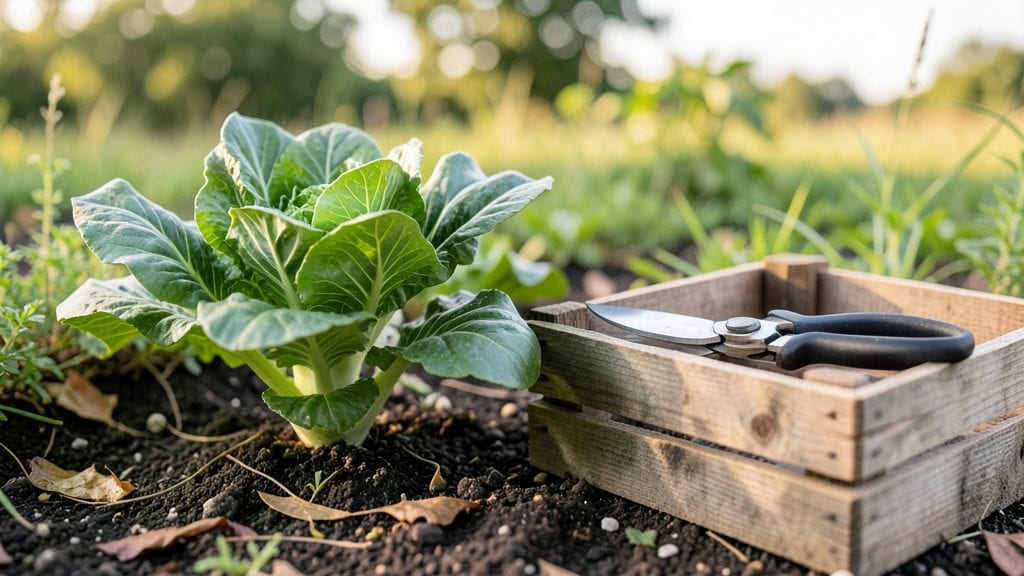
The meaning of victory gardens lies in their role as community-driven food production hubs during wartime shortages, originally created in World Wars I and II to strengthen morale and reduce dependency on commercial food supplies. Today, they embody modern sustainable gardening and self-reliance across urban and rural landscapes.
Victory gardens weren't just about growing food—they were a cultural movement that united communities during crises. 🌱 During World War II, these gardens helped Americans reduce grocery demand by up to 40%, proving how collective effort could ease shortages.
The concept's modern revival focuses on sustainability, with many gardeners today choosing heirloom varieties and vertical planting to maximize small spaces while keeping the original spirit alive.
What makes them especially relevant now is their adaptability. Whether you have a backyard or just a balcony, you can grow high-yield crops like potatoes or leafy greens that require minimal space.
The key difference today? Many modern victory gardens prioritize permaculture principles and composting to create closed-loop systems, ensuring nothing goes to waste.
💡 In This Article
- Origins and Historical Impact of Victory Gardens
- Modern Victory Gardens: How to Start Yours Today
Origins and historical impact of victory gardens
The concept of victory gardens emerged as a direct response to wartime food shortages, beginning with World War I when the U.S. government launched the first organized campaign.
The slogan "Food Will Win the War" became a rallying cry, framing gardening as patriotic duty rather than just a hobby. 🌱 By 1943, during World War II, over 20 million victory gardens were producing 40% of the nation's fresh vegetables, demonstrating how grassroots efforts could alleviate supply chain strain.
What made these gardens so effective was their strategic focus on high-yield, nutrient-dense crops. Tomatoes, potatoes, and leafy greens were prioritized because they required minimal space but provided maximum calories and vitamins.
The U.S. Department of Agriculture distributed free seeds and planting guides, while schools and churches organized community planting days. This collective effort wasn't just practical—it became a symbol of national unity, with families displaying flags and signs declaring their contributions to the war effort.
The psychological impact was equally significant. During rationing periods when families faced limited grocery options, victory gardens provided a sense of control and normalcy. Studies from the era show that communities with active gardens reported higher morale and lower stress levels compared to those without.
The gardens also served as social hubs where neighbors shared knowledge, seeds, and harvests, strengthening community bonds during difficult times.
After the wars, the concept evolved beyond its wartime roots. While some gardens disappeared as food supplies stabilized, others transformed into suburban vegetable plots and later into the modern sustainable gardening movement.
The core principles—self-sufficiency, community collaboration, and resourcefulness—remained intact, adapting to new challenges like climate change and urbanization. Today's victory gardens often incorporate permaculture techniques and composting systems to minimize waste and maximize productivity.
One fascinating historical detail is how victory gardens influenced agricultural policy. The success of these gardens led to increased funding for agricultural education and research, including studies on soil conservation and crop rotation.
The National Victory Garden Program even published a monthly magazine with gardening tips, reaching millions of readers. This legacy continues today in organizations that promote urban farming and food sovereignty.
The enduring appeal of victory gardens lies in their ability to combine practicality with purpose. Whether during wartime or modern sustainability movements, they represent humanity's capacity to adapt and thrive under pressure.
The gardens remind us that resilience isn't just about survival—it's about creating solutions together that nourish both body and community. 💛