My dad’s old gardening gloves, still stained with dirt from decades of planting, sit on my workbench like a relic. They remind me that the best lessons in gardening aren’t found in books—they’re learned in the soil, through sunburned hands and the quiet satisfaction of watching something grow. This site is where I share what I’ve learned: practical tips, hard-won wisdom, and the joy of turning a patch of earth into something beautiful.
Finding affordable garden plants that still pack a pollinator punch doesn't mean settling for scraggly stems or sad-looking blooms. I’ve turned my front yard into a hummingbird highway using plants that cost less than $2…
💥 Quick Answer AHS reciprocal gardens create community-driven plant exchanges where members trade seeds, seedlings, or cuttings to expand their growing options while cutting costs. This collaborative approach preserves…
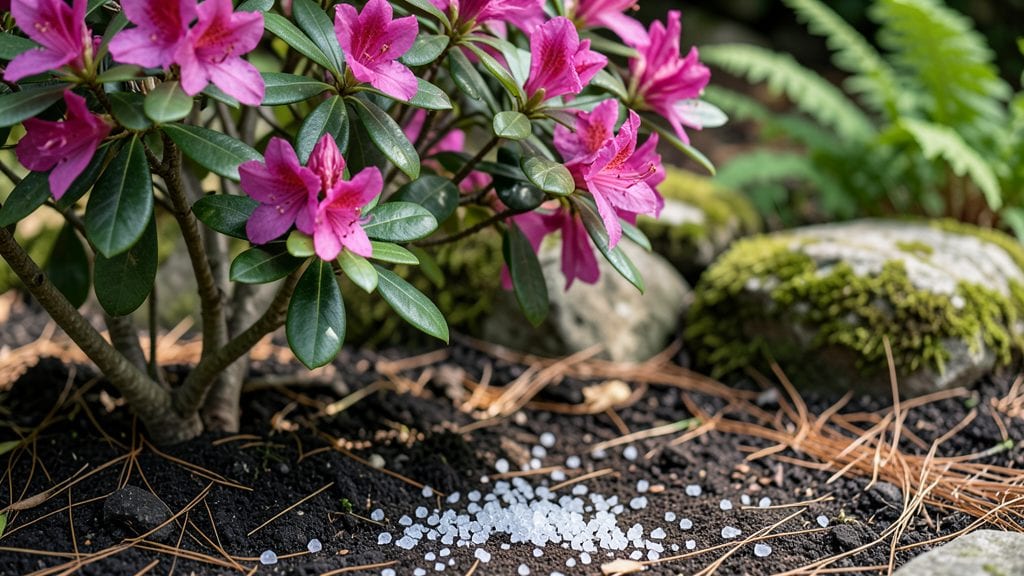
💥 Quick Answer Using aluminum sulfate in gardening rapidly lowers soil pH, making it perfect for acid-loving plants like blueberries, azaleas, and hydrangeas. Apply 1-2 pounds per 100 square feet, following package…
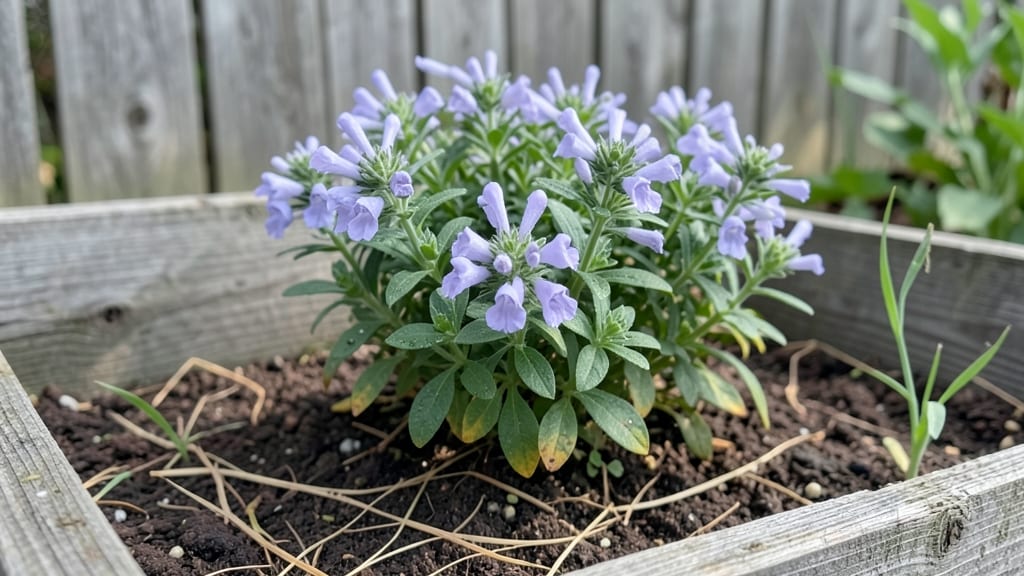
Angelonia’s velvety purple spikes transform any garden into a fragrant, sun-drenched retreat. 🌿 I first fell for it when I tucked it into a hot, humid border—where most plants wilted, this one thrived, its delicate…
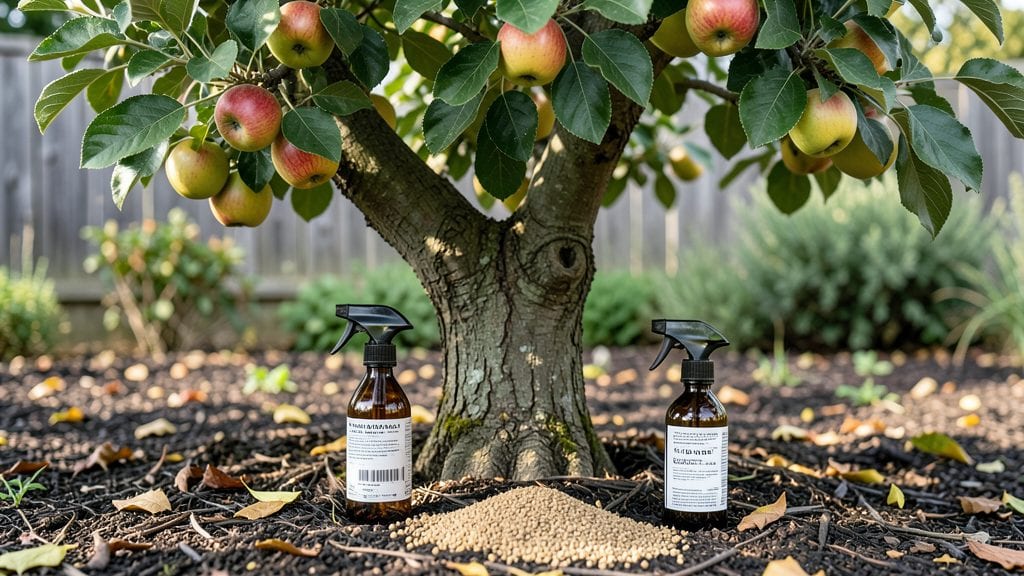
💥 Quick Answer Apple cider vinegar in gardening strengthens plants, balances soil acidity, and fights fungal diseases when used as a diluted solution. This kitchen staple works wonders because its acetic acid loosens…
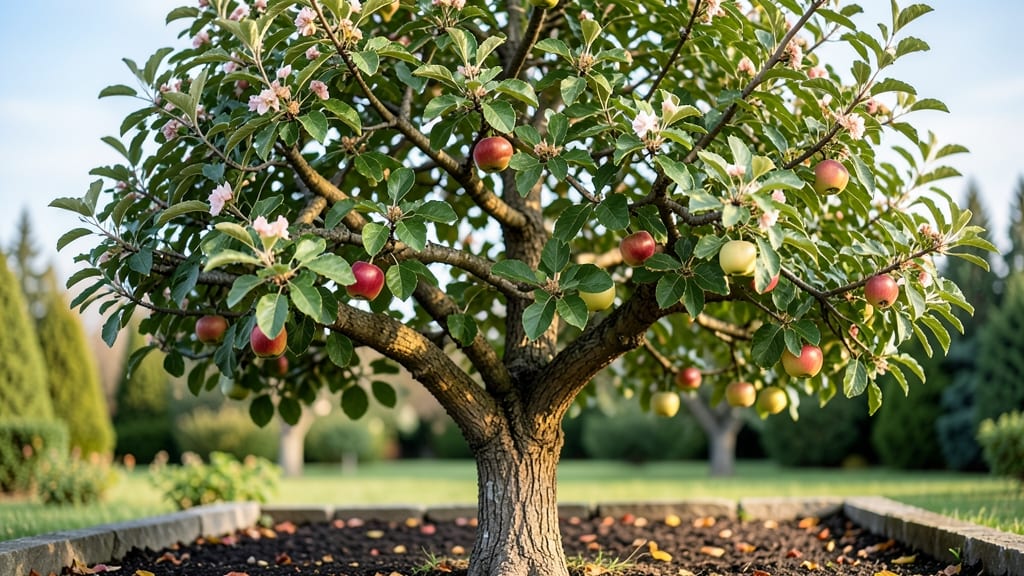
Apple tree gardening transforms a blank yard into a fragrant paradise where homegrown fruit bursts with flavor—and starts with choosing the perfect variety for your climate. 🌱 I learned the hard way that healthy trees…
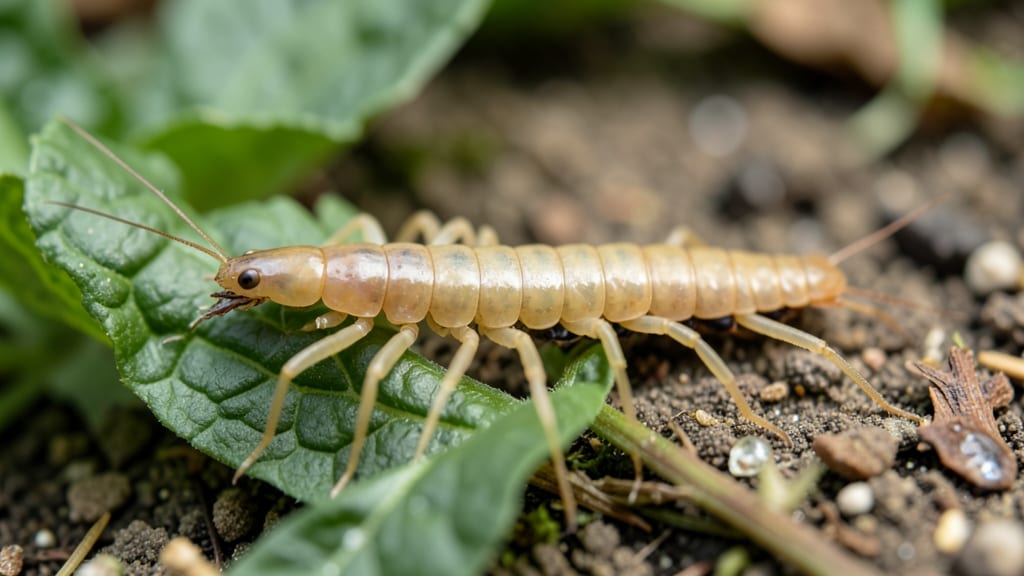
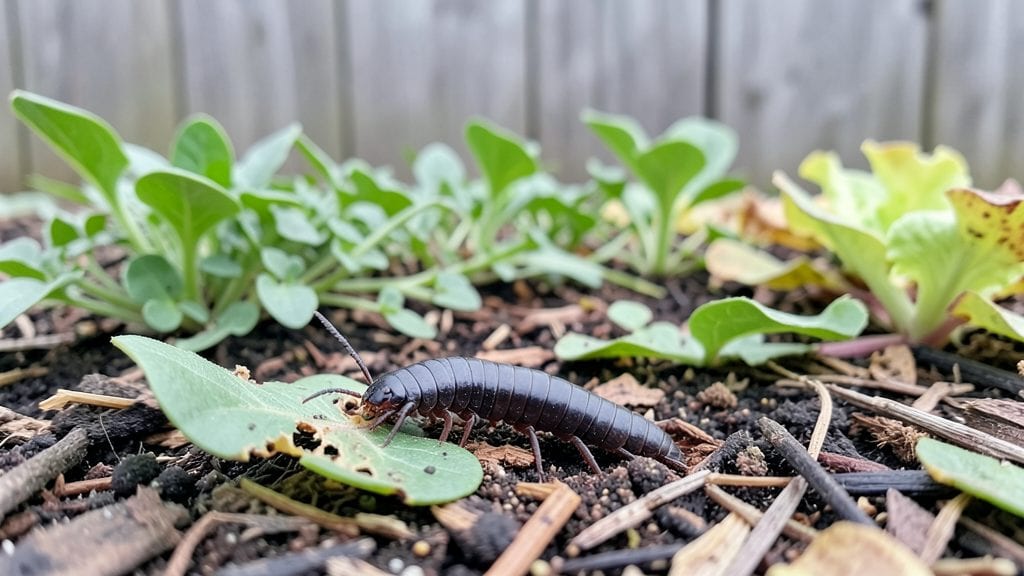
💥 Quick Answer Centipedes aren’t bad for gardens—they’re natural predators that hunt pests like slugs, aphids, and termites, helping control infestations without chemicals. Their presence usually signals a healthy…
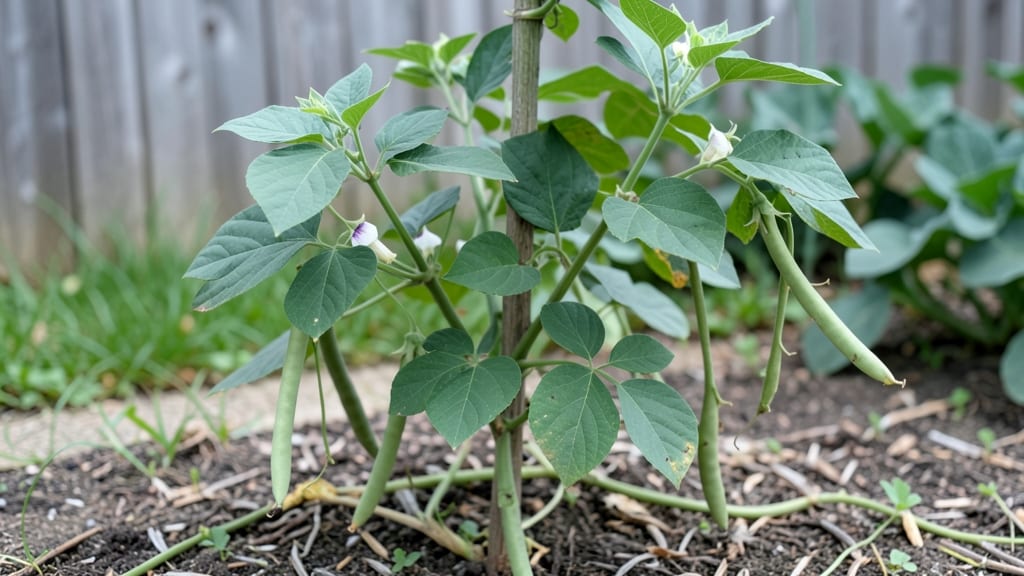
💥 Quick Answer Garden beans and green beans aren't the same: garden beans include dried varieties like kidney or pinto beans, while green beans are the young, unripe pods of Phaseolus vulgaris harvested before seeds…
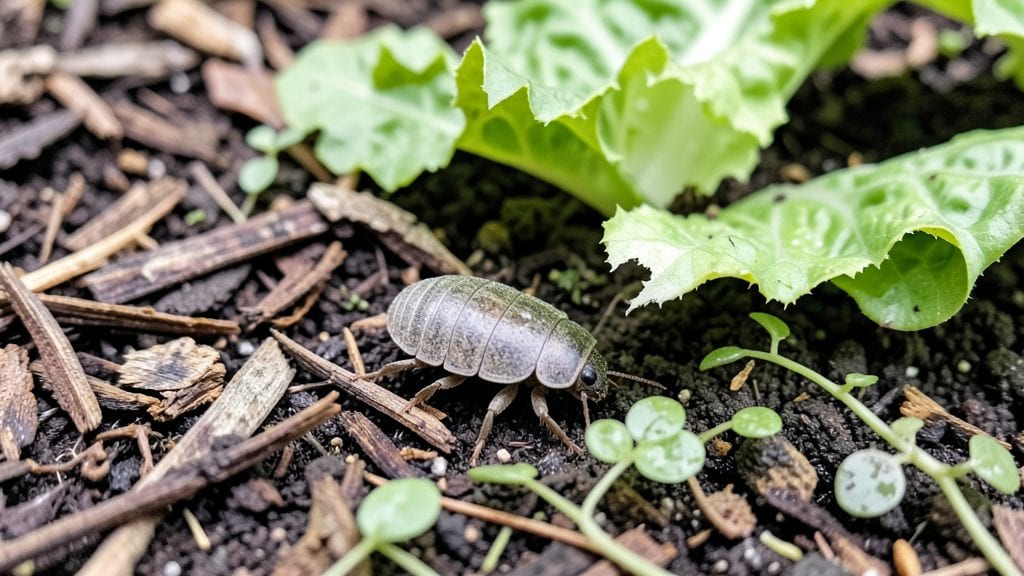
💥 Quick Answer Rollie pollies aren’t bad for gardens—they break down organic matter and improve soil structure, but seeing too many often signals excess moisture or mulch. While they rarely damage healthy plants, they…
Are roly polys bad for garden? Absolutely not—they’re soil-aerating pill bugs that decompose organic matter, enriching soil health and supporting plant roots by breaking down leaf litter and plant debris. These little…