
Pests
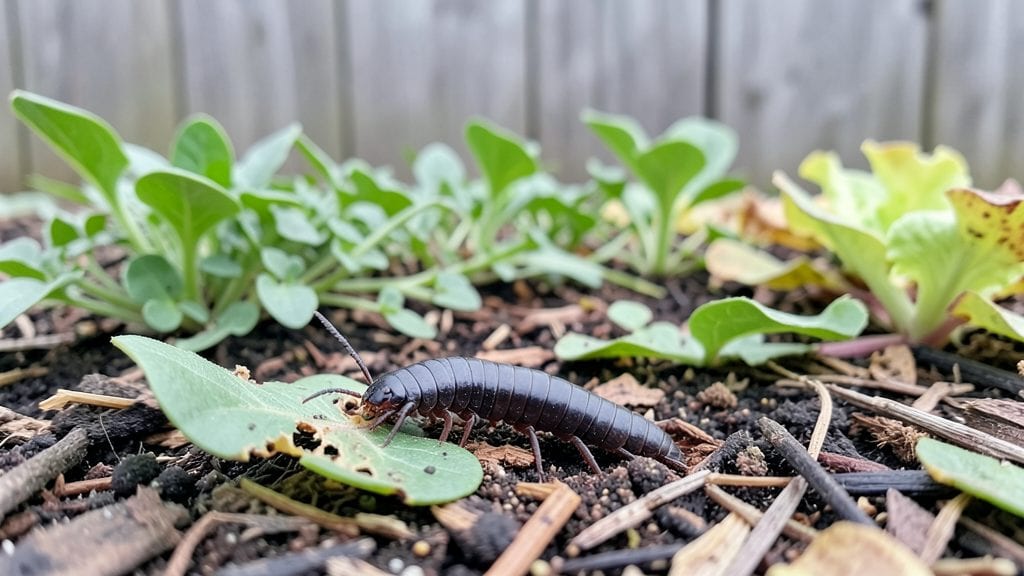
Rollie pollies aren’t bad for gardens—they break down organic matter and improve soil structure, but seeing too many often signals excess moisture or mulch. While they rarely damage healthy plants, they might nibble young shoots or decaying leaves.
These little critters are actually soil superheroes, helping recycle nutrients by feasting on decaying plant material and fungi. 🌱 Their presence usually means your garden’s ecosystem is thriving, though their numbers can spike when conditions get too damp or mulch piles up.
I’ve found they’re far less destructive than pests like slugs, which actively chew living plants—rollie pollies stick to cleanup duty.
Think of them as nature’s composters: their tunneling aerates the soil while their diet breaks down tough organic matter. The key is balance—too many might hint at underlying moisture issues, but they’re not the problem themselves. For most gardeners, they’re a harmless (and helpful) sign of a healthy garden.
💡 In This Article
- What Rollie Pollies Eat in Your Garden
- Natural Ways to Control Rollie Pollie Populations
What rollie pollies eat in your garden
Rollie pollies, or pill bugs, are nature's recyclers—they primarily feast on decaying plant matter like fallen leaves, dead twigs, and rotting wood. Their diet also includes fungi, algae, and even tiny bits of organic debris hidden in the soil.
Unlike pests such as slugs or snails, they don't attack living plants but instead focus on breaking down dead materials, which helps return nutrients to the soil. 🌿 This process is called detritivory, and it's essential for maintaining a healthy garden ecosystem.
Their feeding habits also include soil aeration—they tunnel through the dirt, creating small channels that improve water and air circulation. Studies show that their presence can increase soil porosity by up to 15%, which helps roots grow stronger.
Their diet is mostly cellulose-based, meaning they break down tough plant fibers that other decomposers might struggle with. This makes them especially valuable in compost piles or under thick mulch layers, where organic matter tends to accumulate.
What most gardeners don't realize is that rollie pollies actually help control fungal growth by feeding on it. While some fungi can harm plants, others are beneficial—like mycorrhizal fungi that help roots absorb nutrients. Rollie pollies keep these populations in check, preventing any single type from dominating.
Their role is similar to that of earthworms but on a smaller scale, making them a quiet but crucial part of the garden's cleanup crew. 🌱
However, their diet isn't entirely harmless—they may occasionally nibble on young seedlings or tender new growth if food sources are scarce. This is rare, but it can happen in overcrowded conditions or when their natural food supply is limited.
Unlike slugs, which leave large, irregular holes in leaves, rollie pollies tend to create small, precise bites along leaf edges or stems. This subtle difference helps distinguish their harmless activity from true plant damage.
Their diet also explains why they thrive in damp, shady areas. Moisture helps soften decaying matter, making it easier for them to digest. This preference for humidity is why you often see them under logs, rocks, or thick mulch—places where organic material stays wet and decomposes slowly.
Understanding their dietary needs helps gardeners create environments where they can do their job without becoming a nuisance. 💫
In contrast to pests like slugs, which actively destroy living plants, rollie pollies are purely decomposers. Their presence is a sign of a balanced ecosystem where organic matter is being recycled efficiently.
The key is managing their habitat—keeping mulch levels moderate and ensuring good drainage—so they don't overpopulate while still benefiting from their natural cleanup services.