How To
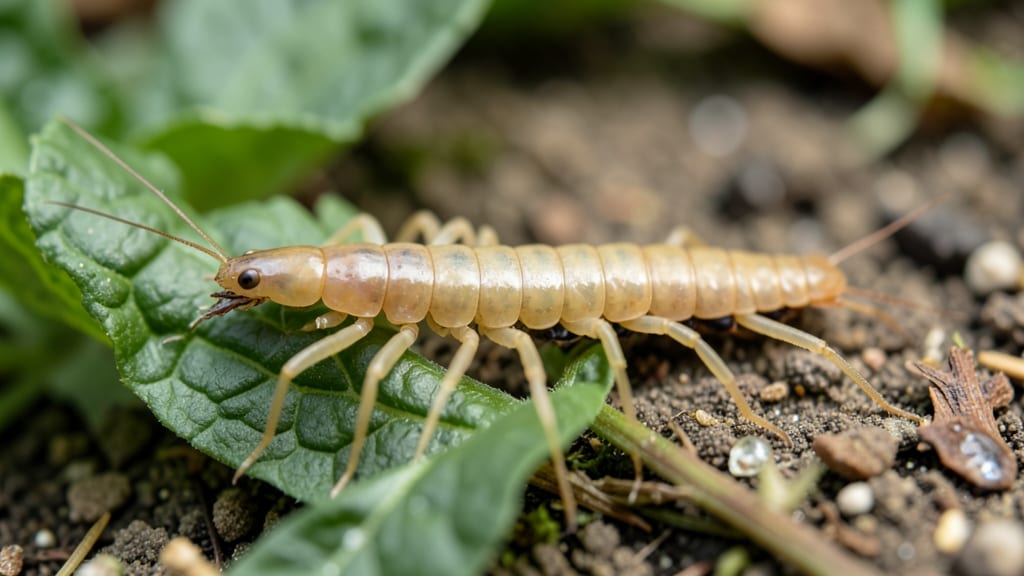
Centipedes aren’t bad for gardens—they’re natural predators that hunt pests like slugs, aphids, and termites, helping control infestations without chemicals. Their presence usually signals a healthy ecosystem, though large numbers near homes may require relocation.
Centipedes actually play a crucial role in garden ecosystems by keeping pest populations in check. 🌱 These multi-legged hunters target soft-bodied insects that damage plants, like caterpillars and even small spiders, which can become overpopulated without natural predators.
The key is balance—while they’re beneficial for most gardens, their presence indoors or in large numbers might indicate an imbalance in your local ecosystem that needs addressing.
What many gardeners don’t realize is that centipedes won’t harm your plants directly—they’re strictly carnivorous. Their hunting habits actually help reduce the need for chemical pesticides, making them a valuable ally in organic gardening.
However, if you notice centipedes frequently entering your home or see them in unusually high numbers, it could mean their food sources (like slugs) are thriving, which might indirectly affect your garden’s health.
💡 In This Article
- Centipede Diet: Garden Allies or Hidden Threats?
- When and How to Manage Centipede Populations
Centipede diet: garden allies or hidden threats?
Centipedes are obligate carnivores, meaning their diet consists exclusively of live prey. Their menu primarily includes soft-bodied insects like slugs, snails, and aphids, which they hunt using venomous forcipules (their front legs).
Studies show they can consume prey up to half their body length, making them efficient predators of garden pests that chew leaves or suck plant sap.
Their hunting behavior is triggered by vibrations and chemical cues, allowing them to locate prey even in dark, moist environments where many pests thrive.
Their diet extends to spiders, small beetles, and even termites, which explains why they're often found in mulch or under rocks where these insects hide. What's fascinating is their hunting technique: centipedes use a pincer-like strike to inject venom that paralyzes prey instantly.
This makes them particularly effective against slugs, which are notorious plant destroyers. Unlike many predators, centipedes don't eat plants or seeds—they're purely meat-eaters, which is why they won't damage your vegetables or flowers directly.
However, their predatory habits do have potential downsides. While they primarily target pests, some centipede species may occasionally consume beneficial insects like ladybug larvae or pollinating bees when food is scarce. This indirect effect is rare but worth noting for gardeners who rely on biological pest control methods.
The key factor is population balance—centipedes become more likely to prey on beneficial insects only when their preferred food sources (like slugs) are extremely limited.
Here's what their diet reveals about their ecological role: centipedes are secondary predators in the garden food chain. They help control primary pests that directly damage plants, but they're not at the top of the chain.
Larger predators like birds, frogs, and even other centipedes keep their populations in check. This creates a natural feedback loop where centipede numbers rise when slug populations explode, then decline again as the slugs are controlled.
What most gardeners don't realize is that centipedes actually prefer moist environments with high pest activity—this is why you'll often find them in vegetable gardens or near compost piles. Their presence is usually a sign that your garden has a healthy population of their prey species.
The only time centipedes might become problematic is when their food sources become overabundant, leading to centipede overpopulation that might spill into your home.
To put this in perspective, consider this comparison: a single centipede can consume 5-10 slugs per month, while a slug can destroy 0.5 square feet of leaf surface per night.
That means just a few centipedes can protect an entire small garden from slug damage. Their hunting efficiency makes them one of nature's most effective (and chemical-free) pest control solutions. 💫