
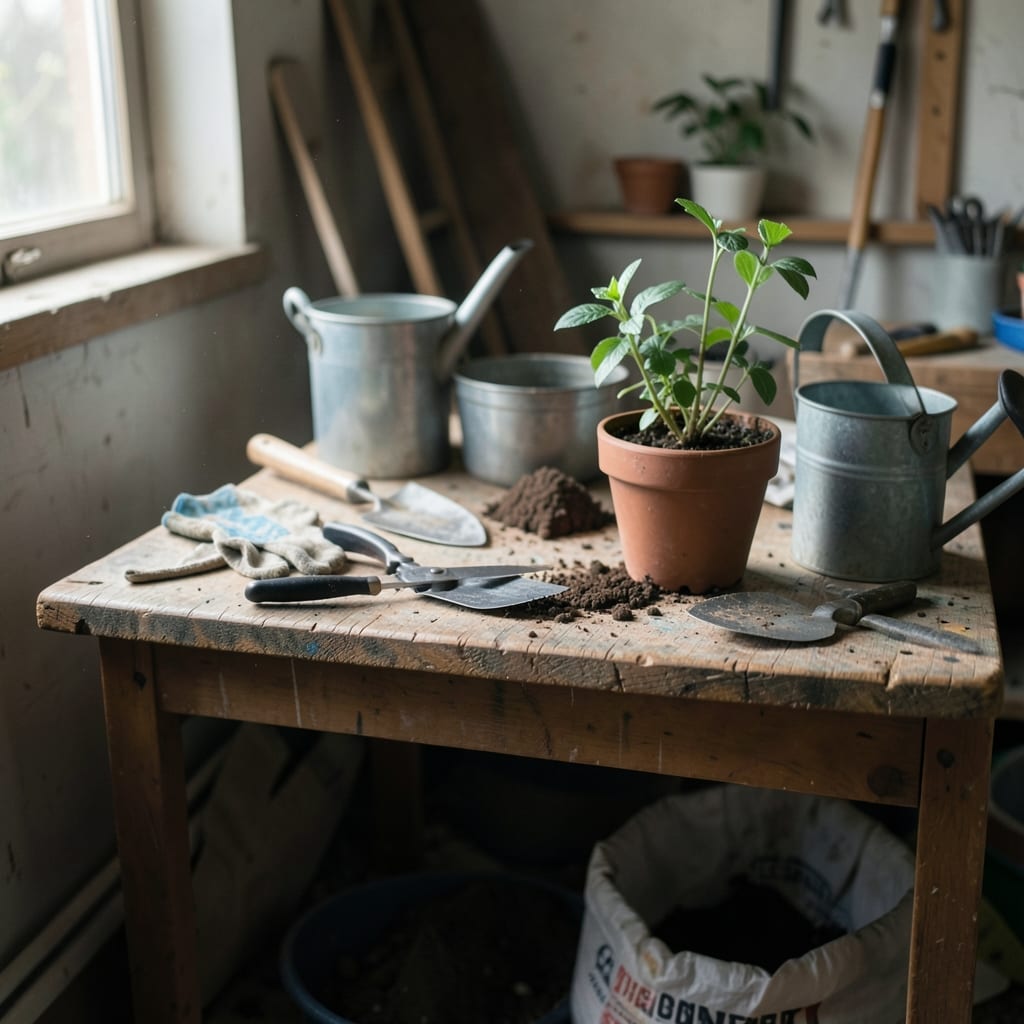
What this work is made with
This page is not a story. It is an inventory of the things that make this site possible—no mission, no values, just the objects that shape what you read.
Garden Soil Care is about the work of gardening: the soil, the seasons, the plants that thrive and the ones that fail. The tools here are not just for growing things; they are for understanding how they grow.
The things that do the work
Four things hold this work together. They are worn, unremarkable, and essential.
The spade
A heavy-duty steel spade with a broken handle wrapped in duct tape. It’s been here since 2012, when my grandfather passed it down after his own broke in half.
It taught me that the best tools are the ones that last—even when they’re held together with whatever’s at hand. The tape is frayed now, but the blade still cuts clean.
The wooden rake
A cheap, unbranded rake with a handle split at the base. It cost $8 at a hardware store in 2015 and has never been replaced.
It proved that the most useful tools aren’t the ones that look new—they’re the ones that get the job done, even when they’re falling apart.
The old watering can
A rusted tin can with a cracked spout, salvaged from a neighbor’s compost pile in 2017. The paint is peeling, and the handle is loose.
It reminded me that the best watering comes from patience—not speed. The cracks mean it leaks, but that’s how you know it’s working.
The stone marker
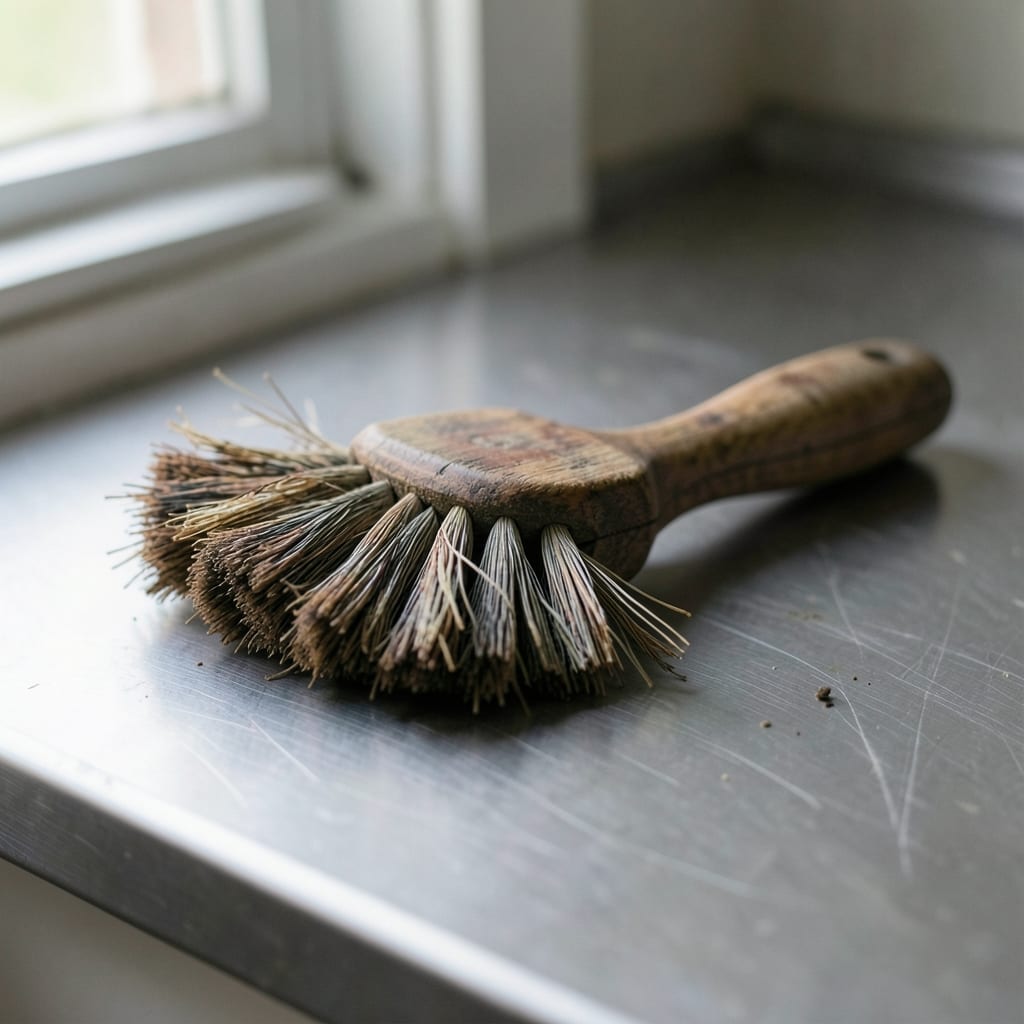
A flat river stone, smoothed by years in a creek bed. It sits on my desk now, used to weigh down seed packets.
It taught me that some tools don’t need to be made—they just need to be found. And sometimes, the simplest things hold the most weight.
What is not in the drawer
This work does not depend on fancy gadgets, lab-tested soil kits, or anything that costs more than it’s worth.
Deliberately absent
- Digital soil meters—what matters is what the soil *feels* like.
- Brand-new tools—someone else’s cast-offs work just as well.
- Perfectly straight edges—gardening is about adaptation, not precision.
- Expensive seed catalogs—most of what grows best is already in the ground.
Behind the scenes
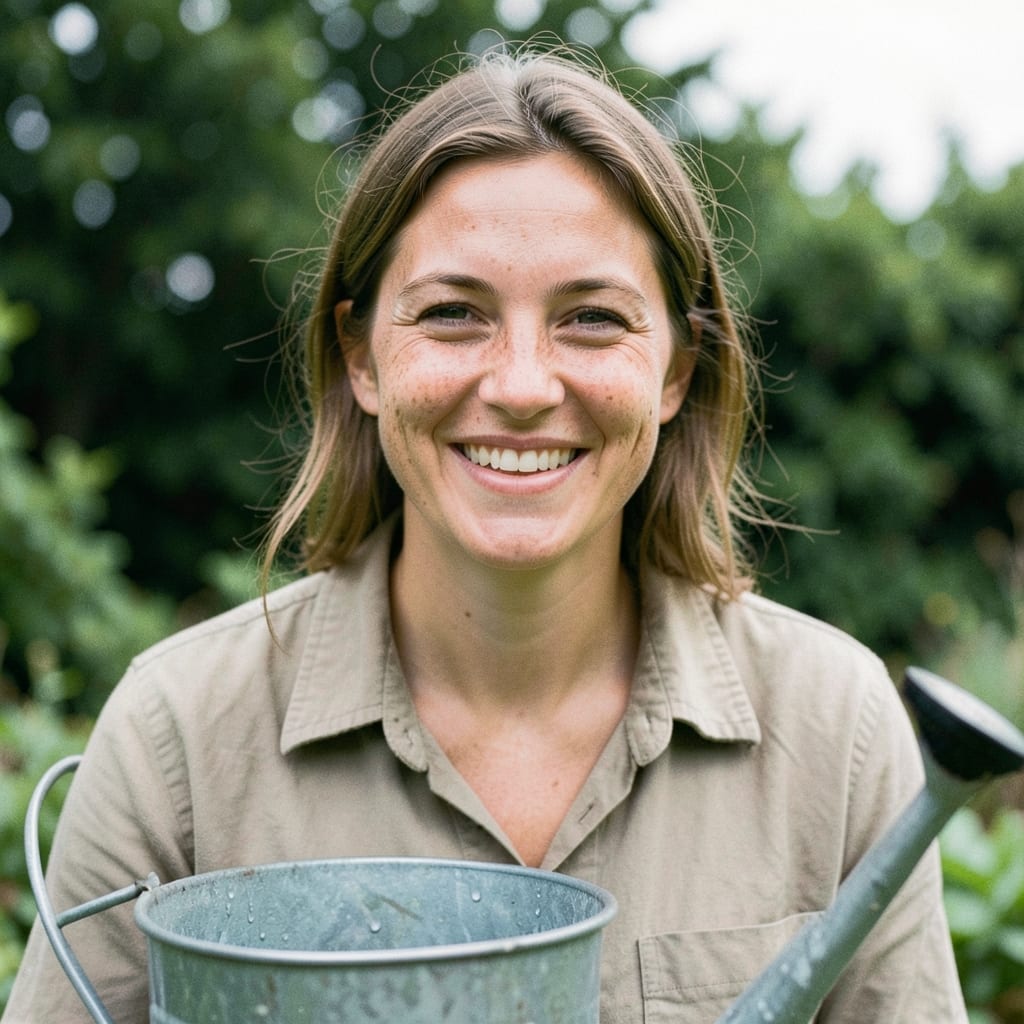
I am Ramona Gilmore, founder and editor. I write about soil, seeds, and the quiet work of watching things grow.
This site came from my father’s old gardening gloves—the ones still stained with dirt from decades of planting. He handed them to me when I moved out, and I’ve been wearing them ever since.
Years of digging, weeding, and kneeling in the dirt have left my knees stiff and my hands calloused. I can no longer garden casually—I notice every clump of soil, every uneven row, every plant that’s struggling.
I am here to share what I’ve learned: the practical tips, the hard-won wisdom, and the joy of turning a patch of earth into something beautiful.
Why any of this matters to you
These things—worn tools, rough hands, a stone on a desk—are why every guide here is built on what actually works, not what looks good.
You’ll find no jargon, no assumptions about perfect conditions. Just the real work of gardening, the way it’s done when the soil is stubborn and the weather won’t cooperate.
If you’ve ever wondered how to loosen the earth without breaking your back, or how to tell when a seed is ready to sprout, you’re in the right place.
Every tip here is tested in real soil, with real tools, and real failures. You won’t find shortcuts—just what works, when it works, and why.
The guides are grouped by category: Advice, Blooming, Companion Plants, Container Gardens, Diseases and Fertilization.