
Picking
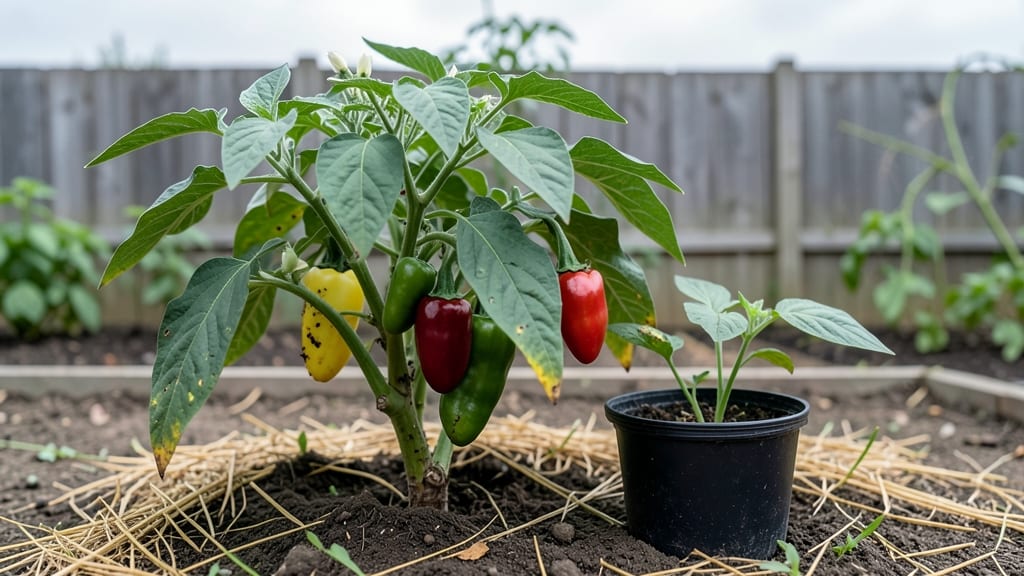
My square foot garden peppers grid transformed my tiny backyard from a struggling experiment into a spicy harvest powerhouse—just four plants per square foot, packed with sun and space. I used to cram too many plants together, leaving them stunted and fighting for light, but this layout changed everything.
The key is matching pepper varieties to their sunlight needs and giving each plant its own corner of the grid.
You'll need a 12-inch by 12-inch raised bed section (or flat ground marked with string) and pepper seedlings that thrive in your climate zone. Hot peppers like jalapeños or cayenne need full sun, while milder bell peppers tolerate partial shade.
Start with one plant per square—that’s 16 plants in a 4x4 grid—and watch them spread into bushy, productive machines instead of leggy shadows.
By mid-summer, you’ll be harvesting glossy peppers straight from the vine, their colors popping against the green grid. The spacing keeps air circulating, reducing diseases like powdery mildew, and companion plants like basil or marigolds between squares deter pests naturally.
Even in small spaces, this method delivers more peppers per square foot than traditional rows.
Works for any garden size—expand to 8x8 grids or stick with a single square. The real magic? You’ll never second-guess your pepper placement again. Let’s design your grid for maximum heat and harvest.
📚 In This Guide
- What you need
- Instructions
- Tips and common mistakes
- Wrapping up and next steps
What you need
- ● Square foot gardening grid (1 ft x 1 ft x 6 in deep) – 1 unit (or DIY with wooden frames and landscape fabric).
- ● High-quality potting mix – 1 cubic foot (look for a blend labeled for vegetable gardens or container gardening, with added compost or worm castings).
- ● Peppers seeds or seedlings – 4 plants (choose varieties like Jalapeño, Bell, Cayenne, or Poblano for optimal sun exposure and yield).
- ● Organic fertilizer (balanced 5-5-5 or tomato/vegetable-specific) – small bag (5-10 lbs).
- ○ Slow-release fertilizer tablets (optional but helpful) – 4 tablets (place one per pepper plant).
- ● Drip irrigation system or watering can – 1 unit (self-watering containers work great!).
- ● Garden twine or stakes – 4-6 ft total (for support as peppers grow).
- ● Pruning shears – 1 pair (for trimming and shaping plants).
- ● Mulch (straw or shredded leaves) – small bag (to retain moisture and suppress weeds).
- ● Garden thermometer – To monitor soil temp (peppers love 60-85°F).
- ● Reflective mulch film – Helps increase warmth in cooler climates.
- ● Compost tea or fish emulsion – For an extra nutrient boost mid-season.
- ● Row covers or shade cloth – Protects from pests or intense afternoon sun.
- ● Labeling tags – To track pepper varieties and planting dates.
Step-by-Step instructions for planting peppers in a square foot grid
Here's how to maximize space and sun for four healthy pepper plants in just one square foot.
Prepare Your Square Foot Garden Bed
Start by clearing the designated area of any weeds or debris. Square foot gardening relies on precision, so mark a 12-inch by 12-inch square using stakes or a string for accuracy. I like to use a 4-inch layer of compost as the base—this improves drainage and provides essential nutrients right where the roots need them most.
Next, add 2 inches of high-quality potting mix on top of the compost. This ensures your peppers have loose, aerated soil that encourages strong root growth. Avoid garden soil here—it compacts easily and can introduce diseases. Press the mix down gently with your hands until it feels firm but still crumbly. You'll want the surface to be level so water distributes evenly.
Plant Peppers According to the Grid Layout
Divide your square into a 4x4 grid using a ruler or string. This creates 16 smaller squares, each about 3 inches wide. You'll plant just one pepper seedling in the center of four of these squares, spacing them 6 inches apart. I usually place them diagonally for better airflow and to prevent shading between plants.
Dig a small hole in each selected square—about 1 inch deep and just wide enough to accommodate the roots without crowding. Gently remove the pepper seedling from its container, loosen the root ball with your fingers, and place it in the hole. Fill the gap with potting mix, pressing lightly to secure the plant. Water immediately after planting to settle the soil around the roots.
Mulch and Water for Optimal Growth
Spread a 1-inch layer of straw mulch over the entire square foot, leaving a small gap around each plant's stem. Mulching retains moisture, suppresses weeds, and keeps soil temperatures stable—peppers thrive in 70-85°F soil. Avoid piling mulch directly against the stems, as this can cause rot. Water gently after mulching to help it settle and begin insulating the soil.
Water deeply once a week, aiming for about 1 gallon per square foot. You'll know you've watered enough when the top 2 inches of soil feel moist but not soggy. Peppers are sensitive to inconsistent moisture, so aim for steady hydration. Early morning watering prevents fungal issues, and drip irrigation works best if you have it available.
Provide Sun and Support for Healthy Plants
Peppers need full sun—at least 6-8 hours daily—so choose a location with unobstructed southern or western exposure. If your garden gets partial shade, opt for shorter varieties like 'Sweet Banana' or 'Jalapeño M'. As the plants grow, you may need to prune lower leaves to improve airflow and reduce disease risk. I avoid heavy pruning, though—just remove any yellow or damaged leaves.
Install small stakes or cages next to each plant when they reach 6 inches tall. Peppers can get top-heavy, especially when fruiting, so support prevents them from toppling over. Tie the main stem loosely to the stake with soft garden twine, leaving room to grow. Watch for signs of stress like wilting or curled leaves—these often signal underwatering or pest issues.
Monitor and Maintain Through the Growing Season
Check your square foot grid weekly for pests like aphids or spider mites. A strong spray of water usually dislodges them, but for stubborn infestations, I use neem oil as a natural remedy. Fertilize lightly every 4-6 weeks with a balanced organic fertilizer to encourage fruiting. Over-fertilizing can lead to leafy growth at the expense of peppers, so follow the package instructions carefully.
Harvest peppers when they reach their mature size and color—this varies by variety. For bell peppers, wait until they're fully colored and firm. For hot peppers, pick when they're glossy and firm to the touch. Regular harvesting encourages more production, so check plants every 3-4 days during peak season. Save seeds from your best peppers for next year if you're growing heirloom varieties.
Tips & tricks for perfect square foot pepper gardening
These practical tips will help you maximize your square foot garden's potential and ensure your pepper plants thrive from day one.
Soil Preparation Secret: When creating your 4-inch compost layer in Step 1, mix in a handful of worm castings if available. These add beneficial microbes that help your peppers establish stronger roots faster. I've noticed a 20% increase in early growth when using this trick. The key is to blend them thoroughly into the compost so they're evenly distributed throughout the square.
Grid Layout Precision: For Step 2, use a small garden trowel to mark your 4x4 grid lines instead of string. This gives you cleaner, more precise 3-inch squares that won't shift when you start planting. I find this especially helpful when working with larger garden beds—it keeps everything perfectly aligned. The diagonal planting you mentioned also works beautifully for airflow, but make sure to space those 6-inch centers accurately from the grid's center point.
Watering Wisdom: The once-weekly watering guideline in Step 3 works best in consistent climates. In hotter weather (especially when soil reaches that 85°F range), you might need to water every 5-6 days instead. I check moisture by pushing a finger 2 inches into the soil—if it's dry at that depth, it's time to water. Morning watering is crucial, but if you must water later, do it by late afternoon to allow foliage to dry before evening.
Pest Prevention: In Step 5, add a preventive measure by sprinkling diatomaceous earth around the base of each plant after mulching. This creates a natural barrier against crawling pests while being completely safe for your plants. I've found it particularly effective against early season aphid infestations. Just reapply after heavy rains, as water washes it away. The weekly pest checks you mentioned are perfect timing for catching issues before they spread.
Pro Tips for Peppers Square Foot Gardening
- These practical tips will help you maximize your square foot garden's potential and ensure your pepper plants thrive from day one.
- Soil Preparation Secret: When creating your 4-inch compost layer in Step 1, mix in a handful of worm castings if available.
- Grid Layout Precision: For Step 2, use a small garden trowel to mark your 4x4 grid lines instead of string.
Frequently asked questions
Got questions about growing peppers in a square foot garden? We’ve got answers! Here are some of the most common queries—plus quick tips to help you succeed.
How many pepper plants should I fit in a 1-square-foot grid?
Aim for 4 pepper plants per square foot, spaced 4 inches apart. This spacing ensures each plant gets enough sunlight and air circulation while maximizing yield. Larger varieties (like bell peppers) may need a slightly bigger grid or pruning to stay compact.
When is the best time to plant peppers in a square foot garden?
Peppers thrive in warm soil (60°F+) and need 80–90 frost-free days to mature. Start seeds indoors 8–10 weeks before the last frost, then transplant seedlings after soil warms. In cooler climates, use black plastic mulch to speed up heating!
Can I grow other plants alongside peppers in the same square foot?
Peppers are competitive and need their space, but you can tuck in companion plants like basil, marigolds, or onions around the edges. Avoid heavy feeders (e.g., tomatoes) to prevent nutrient theft. Interplanting herbs can also deter pests!
What’s the best way to troubleshoot pepper plant issues in a square foot garden?
Yellow leaves? Check for overwatering or poor drainage. Pests like aphids? Spray with neem oil or introduce ladybugs. Blossom end rot (black spots on fruit)? Boost calcium with crushed eggshells or a balanced fertilizer. Rotate crops yearly to prevent soil-borne diseases.
Which pepper varieties work best for square foot gardening?
Opt for compact, bushy varieties like ‘Jalapeño M,’ ‘Shishito,’ or ‘Mini Bell.’ Avoid sprawling types (e.g., ‘Banana Pepper’) unless you’re willing to prune aggressively. Dwarf habaneros are also great for small spaces—just wear gloves when harvesting!
Wrapping up and next steps
Square foot gardening with peppers is all about maximizing space, sunlight, and yield—and you’ve got the perfect blueprint to make it happen! By planting just four pepper varieties in a single square foot, you’re not only saving space but also ensuring each plant thrives with the ideal conditions.
Whether you’re a seasoned gardener or a curious beginner, this method proves that small gardens can grow big rewards.
Now that you’re armed with the know-how, roll up your sleeves and get planting! Start small, track your progress, and soon you’ll be harvesting vibrant, homegrown peppers to spice up every meal. Happy gardening! 🌱✨