
Companion Plants
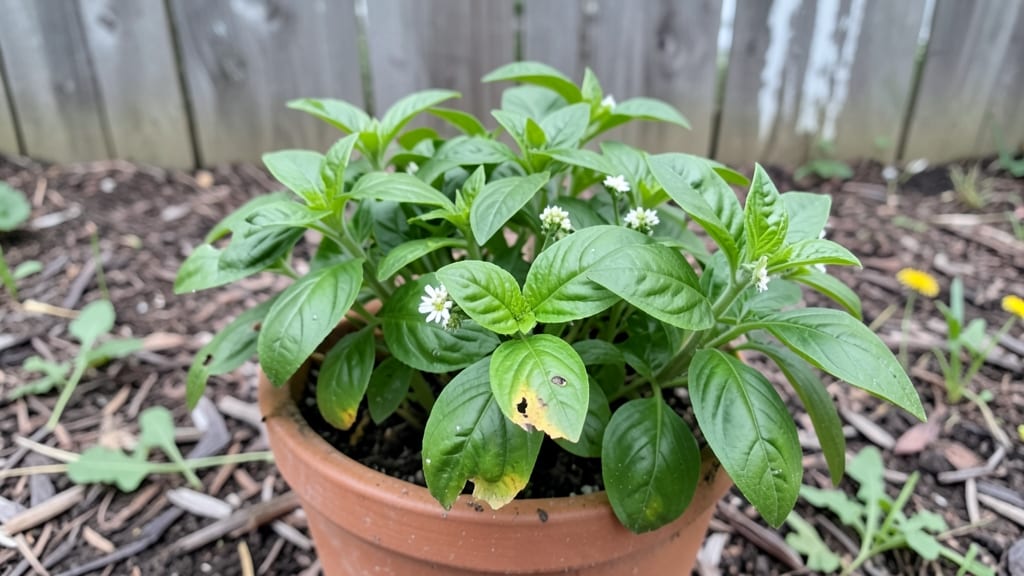
Growing basil plants from seed or cuttings is one of those gardening wins that feels like magic—until you know the tricks. 🌱 I've grown basil in pots, garden beds, and even hanging baskets, and the secret to bountiful harvests isn't complicated: it's all about sunlight, soil, and a little help from the right neighbors.
The best part? Basil thrives in spaces as small as a kitchen windowsill or as large as a sunny garden corner. You'll need well-draining soil, a spot with at least 6-8 hours of sunlight daily, and a watering routine that keeps the soil moist but never soggy.
And here's the game-changer: pair it with tomatoes, peppers, or oregano to repel pests naturally while boosting flavor.
By midsummer, you'll be snipping fresh leaves for pesto, sandwiches, or pasta—no grocery store trip required. The plants stay productive for months if you prune regularly and protect them from late-season frosts. Even if you've killed basil before, this method works every time.
Whether you're growing indoors for year-round harvests or outdoors for summer feasts, these companion secrets make the difference. Let's get those plants flourishing!
📚 In This Guide
- What you need
- Instructions
- Tips and common mistakes
- Wrapping up and next steps
What you need
- ● Basil seeds or seedlings: Choose Genovese, Thai, or Purple basil (or a mix!). Start with 10–20 seeds (or 3–5 seedlings) for a small container or 50+ seeds for a larger garden bed.
- ● Containers or garden bed: For containers: Use 5–6 inch pots (1 plant per pot) or hanging baskets (3–4 plants per basket). Ensure pots have drainage holes!
- ● For garden beds: Space plants 12–18 inches apart in well-draining soil.
- ● High-quality potting mix: A light, well-draining mix (e.g., 50% potting soil + 50% perlite or vermiculite) prevents root rot.
- ● Fertilizer: Use a balanced, water-soluble fertilizer (e.g., 10-10-10) or compost for organic growth. Dilute to half-strength when feeding.
- ● Watering can or hose with a gentle spray nozzle: Basil hates soggy roots—aim for 1 inch of water per week (adjust for climate).
- ● Pruning shears or clean scissors: Sharp, sterilized tools (rubbing alcohol works!) to harvest and trim.
- ○ Support (optional for tall varieties): A small stake or trellis if growing Thai basil or other sprawling types.
- ● Sunlight: Basil thrives in 6–8 hours of full sun daily. Choose a south-facing spot or use grow lights for indoor setups.
- ● Temperature: Ideal range is 70–80°F (21–27°C). Basil bolts (goes to seed) in temperatures above 90°F (32°C) or below 50°F (10°C).
- ○ Companion plants (optional but helpful): Pair basil with tomatoes, peppers, or marigolds to deter pests and boost growth!
- ● Mulch: Straw or shredded leaves to retain moisture and suppress weeds.
- ● Fish emulsion or seaweed fertilizer: For an organic nutrient boost every 3–4 weeks.
- ● Row covers: Lightweight fabric to protect seedlings from early frost or pests.
- ● Grow lights (LED or fluorescent): If growing indoors, provide 12–16 hours of light daily.
Step-by-Step instructions for growing thriving basil plants
Here’s how to cultivate basil that grows robust, flavorful, and pest-resistant—using proven companion planting techniques.
🌱 Step 1: Select the Right Location and Prepare the Soil
Basil thrives in full sun (6+ hours daily) and well-draining soil with a pH between 6.0 and 7.0. I always choose a spot with morning sunlight and afternoon shade in hot climates to prevent leaf scorch. Before planting, loosen the top 6 inches of soil with a garden fork—this encourages root penetration and reduces compaction.
Incorporate 2-3 inches of compost into the soil to enrich it with organic matter. Basil benefits from slightly fertile soil but can suffer if overfed, so avoid heavy manure. A light sprinkle of balanced organic fertilizer (10-10-10) at planting time gives it a gentle nutrient boost without burning tender roots.
🌿 Step 2: Plant Basil with Companion Plants for Pest Control
Basil’s natural companions—like tomatoes, peppers, and oregano—repel pests such as mosquitoes and whiteflies while improving growth. Plant basil 12-18 inches apart in rows or clusters, ensuring each plant has enough space to develop broad leaves without crowding. I always tuck a few basil plants near my tomato patch; the two thrive together and deter aphids naturally.
If planting in containers, use one basil plant per 8-inch pot with a mix of potting soil and perlite for drainage. Avoid placing basil near rue or sage, as these herbs can stunt its growth. Water the soil thoroughly after planting to help roots establish, but avoid soggy conditions—basil roots rot easily in waterlogged soil.
☀️ Step 3: Maintain Consistent Watering and Prune for Bushiness
Keep the soil evenly moist but never soggy—water when the top 1 inch feels dry. I water basil in the morning to reduce evaporation and fungal risks. Mulch around the base with 2-3 inches of straw or shredded leaves to retain moisture and suppress weeds. Basil grows best with 1-1.5 inches of water per week, adjusting for rainfall.
Pinch off the top set of leaves when the plant reaches 6 inches tall to encourage bushier growth. Regular pruning also prevents flowering, which makes leaves bitter. Harvest leaves frequently—every 2-3 weeks—to stimulate new growth. Always cut just above a leaf node to promote branching.
✂️ Step 4: Monitor for Pests and Harvest at Peak Flavor
Check leaves weekly for aphids or spider mites, common basil pests. A strong spray of neem oil or insecticidal soap resolves infestations quickly. Basil’s strong scent deters many pests, but companion plants like marigolds or thyme add extra protection. I also rotate basil plants occasionally to disrupt pest cycles.
Harvest leaves in the morning after dew dries for maximum flavor. Use scissors or clean fingers to snip stems just above a leaf node. Avoid harvesting more than one-third of the plant at once—this keeps it productive. Basil leaves are most flavorful when young and tender; older leaves develop a stronger, slightly bitter taste.
🌿 Step 5: Extend the Season with Cold Protection
Basil is a tender annual, so protect it from frost. In cooler climates, grow basil in containers and move them indoors before temperatures drop below 50°F. Place pots near a south-facing window or under grow lights for 12-14 hours of light daily. Reduce watering slightly in winter, as growth slows.
For a second harvest, start new seeds 6-8 weeks before the last frost indoors. Transplant seedlings outdoors after the soil warms to at least 55°F. Basil grows quickly—30-45 days to maturity—so plan for successive plantings every 2-3 weeks for a continuous supply of fresh leaves.
Tips & tricks for growing thriving basil plants
Here's what nobody tells you about growing basil that stays lush, flavorful, and productive all season—lessons I learned after struggling with bitter leaves and pests.
The Sunlight Secret: In Step 1, that "6+ hours of full sun" is non-negotiable, but here's the catch: if you're in a hot climate, morning sun with afternoon shade is key. I learned this the hard way after my basil leaves turned crispy from afternoon heat. Look for partial shade options if your garden gets intense afternoon sun—basil will thank you with tender, flavorful leaves.
Companion Planting Hack: When planting basil in Step 2, don't just slap it next to tomatoes—strategically place it between rows of peppers or near oregano. I've found that basil planted in a triangle formation with tomatoes at the center creates a natural pest barrier. The key is spacing: those 12-18 inches between plants gives roots room to breathe while maximizing pest-repelling benefits.
Watering Wisdom: The "evenly moist but never soggy" rule in Step 3 is crucial, but here's the execution: water deeply at the base rather than sprinkling leaves. I use a soaker hose for 10-15 minutes every other morning, which gives roots consistent moisture without wetting foliage—reducing fungal risks. And remember, that 1-1.5 inches of water per week is a guideline; adjust based on your soil type and rainfall.
Pruning Precision: In Step 3, when you pinch those top leaves at 6 inches tall, here's what I do: use clean fingers or small pruning shears to make the cut at a 45-degree angle just above a leaf node. This angled cut prevents water from pooling and promotes faster regrowth. I also harvest leaves in the morning after dew dries—this is when essential oils are most concentrated, giving you the freshest flavor.
Pro Tips for Gardening Basil Plants
- Here's what nobody tells you about growing basil that stays lush, flavorful, and productive all season—lessons I learned after struggling with bitter leaves and pests.
- The Sunlight Secret: In Step 1, that "6+ hours of full sun" is non-negotiable, but here's the catch: if you're in a hot climate, morning sun with afternoon shade is key.
- Companion Planting Hack: When planting basil in Step 2, don't just slap it next to tomatoes—strategically place it between rows of peppers or near oregano.
Frequently asked questions
Got questions about growing basil like a pro? You’re in the right place! Here are answers to the most common queries—so you can enjoy fresh, fragrant basil all season long.
When is the best time to plant basil?
Plant basil after the last frost when soil temperatures reach at least 50°F (10°C). For warm climates, start seeds indoors 4–6 weeks before the last frost. Basil thrives in warmth—avoid planting too early, or it may bolt (flower) prematurely. If you’re in a cooler zone, consider growing it in containers for easier relocation.
How do I keep my basil from flowering too soon?
Basil bolts (flowers) when it senses cooler temps or long daylight. To delay flowering, pinch off flowers as soon as they appear and harvest leaves regularly (especially the top sets). Keep plants in full sun (6+ hours/day) and ensure they’re in well-draining soil. If it flowers early, prune back by 1/3 to encourage bushier growth.
What pests or diseases should I watch for?
Basil is generally pest-resistant, but watch for aphids, spider mites, and whiteflies. Treat infestations with neem oil or insecticidal soap. Downy mildew (a fungal disease) can strike in humid conditions—improve airflow and avoid overhead watering. Yellow leaves? Often a sign of overwatering; let soil dry slightly between waterings.
Can I grow basil indoors? What’s the best setup?
Place basil near a south-facing window (or use grow lights for 12–16 hours/day). Use a 6–8 inch pot with drainage holes and well-draining potting mix. Keep humidity up with a pebble tray, and fertilize lightly every 4–6 weeks. Rotate the pot weekly so it grows evenly toward the light.
How do I harvest basil without killing the plant?
Harvest basil regularly to encourage bushier growth—pinch off leaves just above a pair of leaves. Avoid cutting more than 1/3 of the plant at once. For large harvests, cut stems just above a leaf node (where leaves meet the stem). Morning harvests yield the freshest, most flavorful leaves. Pro tip: Store harvested basil in water like flowers to keep it crisp!
Wrapping up and next steps
Growing basil alongside the right companion plants can transform your garden into a thriving, pest-resistant paradise—while boosting flavor and yield! 🌱 From marigolds to tomatoes, these partnerships simplify care and maximize your harvest. Start small, experiment with a few companions, and watch your basil flourish.
Ready to elevate your gardening game? Pick one companion plant to try this season, observe the magic unfold, and share your success with fellow gardeners!
- Next step: Sketch a simple garden layout or repurpose a container with your chosen companions.
- Bonus tip: Snap photos of your progress—documenting growth makes the journey even more rewarding!