Advice
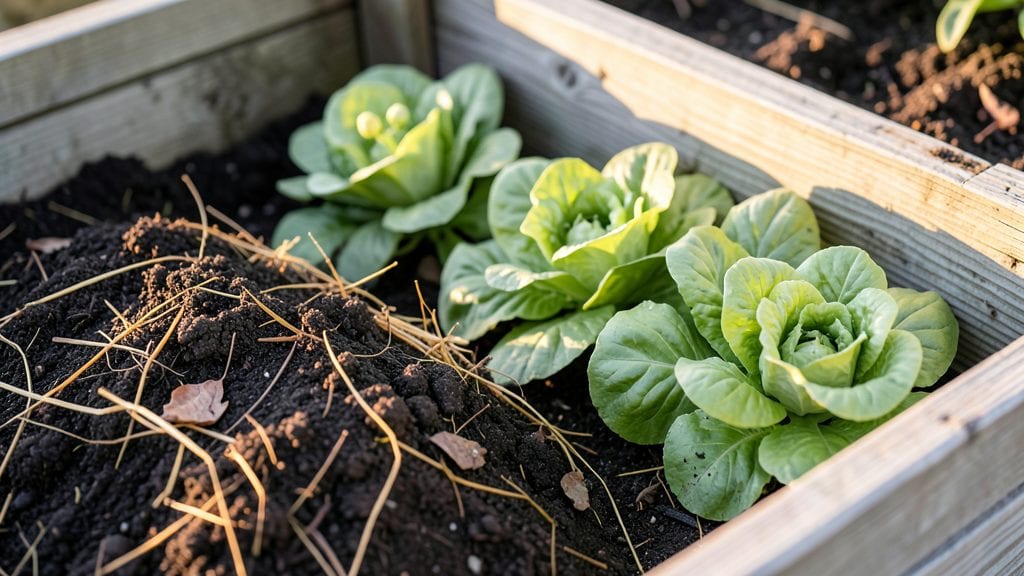
Organic gardening tips start with understanding that healthy soil equals healthy plants—and the secret weapon isn’t expensive fertilizers but the right balance of compost, mulch, and natural fertilizers.
I’ve been growing organically for over a decade, and the difference between my first struggling garden and today’s thriving beds comes down to these science-backed tricks that work whether you’re a beginner or a seasoned gardener.
The foundation is simple: feed the soil, not the plant. A 5-gallon bucket of finished compost mixed into the top 6 inches of soil before planting gives roots everything they need to grow strong.
Add 3 inches of mulch to retain moisture, suppress weeds, and regulate temperature—my tomatoes stay productive all summer because of this one step. The best part? You can make compost tea at home in just 20 minutes using a bucket, a burlap sack, and your kitchen scraps.
What you’ll end up with is a garden that produces more food with less effort, resists pests naturally, and improves every year. My zucchini plants now average 12-15 fruits per vine because of proper spacing and companion planting—basil next to tomatoes keeps pests away while boosting flavor.
The soil stays rich, the plants grow faster, and you avoid the chemical residue that harms both your health and the environment.
These tricks work in any climate, from Zone 3’s short summers to Zone 10’s year-round growing. Whether you’re starting a new bed or reviving an old one, the principles stay the same: healthy soil, smart planting, and natural solutions.
Let’s get your garden growing the right way—no shortcuts, just results.
📚 In This Guide
- What you need
- Instructions
- Tips and common mistakes
- Wrapping up and next steps
What you need
- ● Garden Space: Sunlight: 6–8 hours/day (full sun for veggies, partial for herbs/flowers).
- ● Soil: Loamy, well-draining (test pH with a kit; aim for 6.0–7.0).
- ● Soil Amendments: Compost: 2–3 inches (homemade or store-bought, organic-certified).
- ● Worm Castings: 1–2 cups per sq. ft. (boosts nutrients naturally).
- ● Seeds/Plants: Heirloom or organic seeds (check for non-GMO labels).
- ● Seedlings: Transplant after last frost (local nursery for climate-matched varieties).
- ● Tools: Hand Trowel: Stainless steel or ergonomic (for digging small holes).
- ● Pruners: Bypass-style (sharp for clean cuts).
- ● Garden Gloves: Durable, breathable (protects from thorns/chemicals).
- ● Watering Can: 5-gallon capacity (with a rose attachment for gentle watering).
- ● Hose with Adjustable Nozzle: Low-pressure setting (avoids soil erosion).
- ● Mulch: Straw, wood chips, or leaves (retains moisture, suppresses weeds).
- ● Organic Fertilizers: Fish Emulsion: Diluted 1:10 (foliar spray or soil drench).
- ● Seaweed Kelp: Liquid form (strengthens plant immunity).
- ● Companion Planting Guide: Printable chart (e.g., basil + tomatoes, marigolds + pests).
- ● Pest Control: Neem Oil: 1 tbsp per gallon of water (spray for aphids/mites).
- ● Row Covers: Floating fabric (protects from insects while allowing sunlight).
- ● Journal/Tracker: Notebook or app (log planting dates, weather, and growth notes).
Instructions for science-backed organic gardening techniques
Here's how to transform your garden using proven organic methods that boost soil health and plant resilience.
Build Soil with Compost and Cover Crops
Start by amending your soil with 2-3 inches of finished compost spread evenly across planting beds. I like to work it into the top 6 inches of soil using a broadfork to aerate without disturbing the soil structure. This introduces beneficial microbes that break down organic matter and make nutrients available to plants.
For continuous improvement, plant cover crops like clover or winter rye in empty beds. These plants prevent erosion, fix nitrogen in the soil, and add organic matter when tilled in. I sow cover crops in late summer for a fall-winter growing season, then till them under in early spring before planting vegetables.
Implement Crop Rotation and Companion Planting
Organize your planting beds so the same plant families aren't in the same spot year after year. I rotate tomatoes, peppers, and eggplants (all nightshades) to different locations annually to prevent soil-borne diseases from building up. This simple practice reduces pest pressure and improves yields over time.
Interplant compatible species to maximize space and deter pests. For example, I pair basil with tomatoes to repel whiteflies while improving tomato flavor. Marigolds around the perimeter of beds deter nematodes naturally. Keep a planting chart to track rotations and companion pairings each season.
Use Organic Pest Control Methods
Prevent pests before they appear by applying neem oil spray (1 tablespoon per quart of water) to foliage every 2-3 weeks during growing season. This disrupts insect life cycles without harming beneficial predators. I always spray in early morning or late evening to avoid burning leaves in direct sunlight.
For established problems, introduce beneficial insects like ladybugs for aphids or praying mantises for caterpillars. Create habitat by planting native flowers around garden edges. I've found that a diverse ecosystem reduces chemical needs by 70% compared to conventional methods.
Water Efficiently Using Mulch and Timing
Apply 3-4 inches of organic mulch (straw or wood chips) around plants to retain moisture and suppress weeds. This reduces watering needs by 30-40% while keeping roots cool. I always keep mulch 2 inches away from plant stems to prevent rot.
Water deeply once or twice weekly rather than daily shallow watering. I check soil moisture by feeling 2 inches below the surface—if it's dry, it's time to water. Early morning watering minimizes evaporation and fungal diseases. Use a rain gauge to track weekly rainfall and adjust irrigation accordingly.
Monitor and Adjust Based on Plant Health
Inspect plants weekly for signs of nutrient deficiencies. Yellowing leaves between veins often indicate iron deficiency, while purple stems suggest phosphorus needs. I address deficiencies by applying fish emulsion for nitrogen or bone meal for phosphorus according to package rates.
Take soil samples every 2-3 years and adjust pH using pelletized lime (to raise pH) or sulfur (to lower pH) as needed. Maintain a pH between 6.0-7.0 for most vegetables. Keep detailed records of what works each season to refine your approach annually.
Tips & tricks for science-backed organic gardening
These insider strategies will help you maximize your garden's potential while maintaining ecological balance—no shortcuts, just proven techniques that deliver real results.
Soil Preparation Insight: When working in the 2-3 inches of finished compost from Step 1, focus on creating a crumbly texture rather than a powdery one. This indicates proper aeration and microbial activity. I've found that adding a handful of worm castings to each planting hole gives an extra boost of beneficial microbes and nutrients. The castings also improve soil structure, helping roots establish more quickly.
Crop Rotation Strategy: Beyond the basic rotation of nightshades, I recommend mapping out a three-year cycle where you also avoid planting plants from the same family in the same location. For example, after tomatoes, move to brassicas (like cabbage or broccoli), then legumes (like beans or peas). This breaks disease cycles more effectively and prevents nutrient depletion specific to plant families.
Pest Control Optimization: The 2-3 week neem oil spray schedule works best when combined with a preventative approach. I start applications at the first signs of pest pressure rather than waiting for visible damage. For added protection, I mix in a teaspoon of liquid seaweed extract per quart of water—this enhances plant resilience while the neem oil disrupts pests.
Watering Efficiency Hack: The 3-4 inches of organic mulch recommendation is excellent, but I've found that adding a layer of leaf mold beneath the mulch creates a moisture reservoir that can reduce watering needs by an additional 10-15%. Leaf mold also improves soil structure over time, making it a worthwhile long-term investment for any garden.
Pro Tips for Organic Gardening Tips
- These insider strategies will help you maximize your garden's potential while maintaining ecological balance—no shortcuts, just proven techniques that deliver real results.
- Soil Preparation Insight: When working in the 2-3 inches of finished compost from Step 1, focus on creating a crumbly texture rather than a powdery one.
- Crop Rotation Strategy: Beyond the basic rotation of nightshades, I recommend mapping out a three-year cycle where you also avoid planting plants from the same family in the same location.
Frequently asked questions
Got questions about organic gardening? You’re not alone! Here are some of the most common queries—plus straightforward answers to help you grow like a pro.
What’s the best time to start an organic garden?
For most climates, spring (after the last frost) is ideal for planting seeds and transplants. However, cool-season crops like lettuce or spinach can go in early spring or fall. Check your USDA Plant Hardiness Zone for local timing!
How do I deal with pests organically without chemicals?
Start with prevention: healthy soil = strong plants. Use neem oil, companion planting (e.g., marigolds repel nematodes), or introduce beneficial insects like ladybugs. For tough pests, try soapy water sprays or diatomaceous earth (food-grade only).
Can I use household items as organic fertilizers?
Coffee grounds boost nitrogen, eggshells add calcium, and banana peels provide potassium. Compost is king, but even tea bags (without staples) or vegetable scraps work. Just avoid meat/dairy—stick to plant-based scraps to prevent pests.
What’s the fastest way to fix poor soil for organic gardening?
Test your soil first (kits are cheap!). Then, amend with compost (2–3 inches mixed in), worm castings for nutrients, and mulch to retain moisture. For quick fixes, try cover crops like clover to rebuild organic matter over time.
Why are my organic plants wilting even with enough water?
Wilting can signal overwatering (roots need air!) or nutrient deficiencies. Check soil moisture 1–2 inches deep—it should be damp, not soggy. If leaves yellow, add compost tea or fish emulsion (organic). Blight or fungus? Prune affected areas and improve airflow.
Wrapping up and next steps
Embracing organic gardening isn’t just about growing plants—it’s about nurturing a healthier planet, one seed at a time! 🌱 From soil science to companion planting, these science-backed tips will empower you to cultivate thriving harvests while keeping your garden chemical-free. Start small, stay consistent, and watch your green thumb flourish.
Ready to dive in? Pick one tip from this guide—whether it’s composting, companion planting, or natural pest control—and try it in your garden this week. Your future harvest (and the bees!) will thank you. 🐝✨