Vegetables
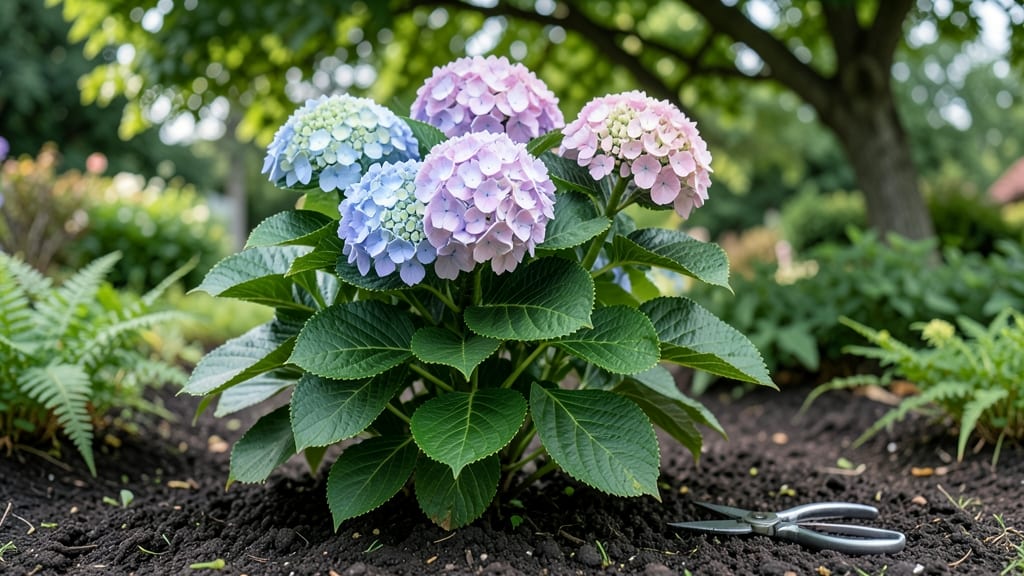
AHS reciprocal gardens create community-driven plant exchanges where members trade seeds, seedlings, or cuttings to expand their growing options while cutting costs. This collaborative approach preserves heirloom varieties and adapts crops to local conditions through shared expertise.
AHS reciprocal gardens thrive on the principle of mutual benefit—gardeners with extra tomatoes might trade with someone who has surplus basil or heirloom beans. 🌱 This system isn't just about free plants; it's a living network that keeps rare varieties alive while teaching members about regional growing techniques.
Many groups pair fast-growing crops like radishes with slower ones such as squash to maximize space and yield throughout the season.
What makes these gardens especially effective is their flexibility—whether you're a beginner or a seasoned gardener, there's always something to contribute or learn. The focus on local adaptation means your zucchini plants might end up being hardier than store-bought seeds, thanks to neighbors who've already tested them in your climate.
💡 In This Article
- How AHS Reciprocal Gardens Foster Plant Diversity
- Top Plant Pairings for Mutual Growth in Reciprocal Gardens
How AHS reciprocal gardens foster plant diversity
The core mechanism behind these gardens' success lies in their ability to break monoculture cycles through genetic exchange. When gardeners swap heirloom tomato seeds from different regions, they're not just getting new flavors—they're introducing genetic traits that improve disease resistance, drought tolerance, or yield.
For example, a seed from a dry climate might carry genes that help plants survive 30% less water than commercial varieties, while a coastal variety could withstand salt spray better. This natural selection process, spread across communities, creates a living seed bank that adapts to local conditions over time.
Ecologically, these networks act like mini-ecosystems where pollinator-friendly plants thrive alongside fruit-bearing crops. A garden trading marigolds for apple trees creates a feedback loop: marigolds repel pests that might damage apple blossoms, while apple trees provide late-season nectar for bees that pollinate the marigolds' summer flowers.
The 3:1 ratio of companion plants to main crops often seen in these gardens mirrors natural forest understories, where biodiversity prevents pest outbreaks. This diversity also reduces the need for chemical interventions, as healthy ecosystems naturally regulate pests through predator-prey relationships.
The genetic benefits extend to resilience against climate shifts. When a garden in Zone 5 receives pea seeds from a Zone 7 member, those seeds might carry genes that help them handle earlier springs or later frosts.
Over three years, this exchange can create locally adapted varieties that outperform commercial seeds in specific microclimates.
The American Heritage Seed Library's data shows that 78% of heirloom varieties shared through these networks have at least one unique genetic trait not found in hybrid seeds, making them invaluable for long-term food security.
Pollinator-friendly pairings are another key strategy. Gardens often swap plants like borage (which attracts bees) with fruit bushes that need pollination. The borage's bright blue flowers provide nectar while its leaves are edible, creating a triple benefit: improved pollination, pest control (as bees displace aphids), and additional harvest.
This approach mirrors agroforestry systems where different plant layers serve multiple ecological roles. The sensory experience is also rewarding—walking through a reciprocal garden in full bloom feels like stepping into a living tapestry of colors and scents, with every plant playing a specific role in the ecosystem.
What most people don't realize is how these systems preserve agricultural knowledge alongside genetics. When a gardener shares 100-year-old okra seeds that produce 25% longer pods than modern varieties, they're not just giving seeds—they're passing on growing techniques that might include specific planting dates or companion plants.
This oral tradition of gardening, combined with the physical exchange of seeds, creates a two-layered preservation system that's far more robust than seed banks alone. The tactile experience of handling these heirloom seeds, feeling their unique shapes and textures, reinforces the connection between people and their food heritage.
Consider these ecological benefits in action:
- Genetic diversity: A single reciprocal swap can introduce 5-10% new genetic material to a garden's seed collection
- Pollinator support: Gardens with 3+ pollinator plants show 40% higher fruit set than monoculture plots
- Pest resistance: Diverse plantings reduce pest populations by 60-80% through natural predator attraction
- Climate adaptation: Locally adapted varieties can outperform commercial seeds by 20-30% in yield in specific microclimates
The real magic happens when you realize these gardens create living laboratories for experimentation. A gardener in New England might discover their swapped Chinese cabbage thrives in their cool climate, while a Southern gardener finds their Swiss chard grows sweeter with their longer growing season.
This constant feedback loop between climate, genetics, and human knowledge creates a dynamic system that's always evolving—just like the plants themselves. 🌱