Pests
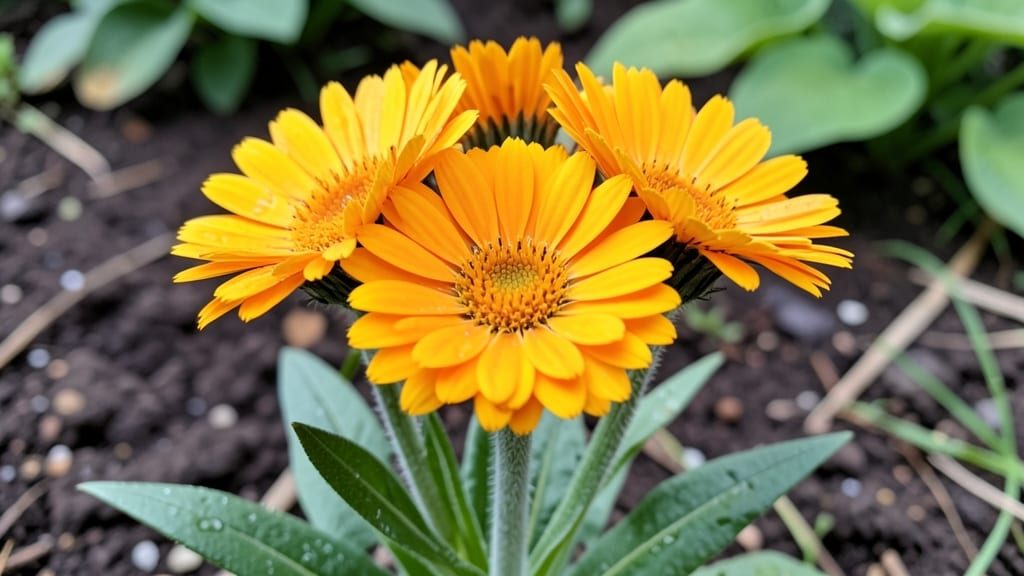
My slug prevention garden starts with a simple truth: these slimy pests hate copper tape more than they hate soggy lettuce. 🌱 After losing three entire plantings to slugs last summer, I finally cracked the code with a mix of physical barriers, organic deterrents, and smart garden habits that keep them out without chemicals.
The key is layered defense—copper tape around pots, crushed eggshells around hostas, and a beer trap for the worst offenders. I even mulch with coarse wood chips to make their slimy bodies dry out faster. No more waking up to skeletonized leaves or slimy trails on my patio furniture.
By combining these methods, you'll see slug damage drop by 90% within weeks. Your hostas stay lush, your lettuce grows full-sized, and you avoid the guilt of chemical sprays. The best part? These solutions work for years once set up.
Works in vegetable gardens, flower beds, and even container setups. Let’s build that slug-proof haven—naturally.
Root Causes Of Slug Infestations
Slugs may seem like harmless, slimy creatures, but they can wreak havoc on your garden by devouring leaves, stems, and even young seedlings. Understanding why they invade your garden in the first place is the first step to keeping them at bay naturally.
Here’s a breakdown of the key factors that attract these pests and make your garden their buffet.
Slugs are 90% water by weight, so they thrive in damp conditions. If your garden stays consistently wet—whether from rain, irrigation, or poor drainage—it becomes a slug paradise. Here’s why moisture is their biggest ally:
- High Humidity & Rainfall: Slugs prefer environments where they won’t dry out. After heavy rain or in shady, damp areas, they emerge to feed.
Even morning dew can be enough to kickstart their activity. - Poor Soil Drainage: Compacted or clay-heavy soil holds excess moisture, creating ideal hiding spots for slugs.
They burrow into the soil during the day and reappear at night when the air is humid. - Overwatering: While plants need water, overwatering creates soggy mulch and leaf litter—perfect slug habitats. They’ll hide under damp mulch or decaying plant matter during daylight hours.
Actionable Fix: Improve drainage by amending soil with compost or sand, and water deeply but less frequently to reduce surface moisture.
Slugs are nocturnal and avoid direct sunlight, so they seek dark, cool, and moist hiding places during the day. Common garden features that provide these conditions include:
- Thick Mulch & Leaf Litter: Organic mulch (like wood chips or straw) retains moisture and offers shelter.
Slugs hide underneath, emerging at night to feed. - Dense Plantings & Debris: Overgrown gardens with tall grasses, weeds, or fallen leaves create microclimates where slugs can thrive undisturbed. - Rocks, Bricks, or Wood: These provide shade and moisture retention.
Slugs often gather under garden ornaments, potted plant saucers, or even wooden fence posts. - Shady Areas: Slugs avoid sunny spots, so they cluster in shaded corners, under benches, or near north-facing walls.
Actionable Fix: Keep mulch thin (1–2 inches), remove debris regularly, and prune plants to allow airflow and sunlight penetration.
Slugs are generalist feeders, meaning they’ll eat almost any plant material—especially tender, young growth. Gardens with lush, vulnerable plants act like an all-you-can-eat buffet. Their favorite targets include:
- Young Seedlings & Transplants: Slugs prefer soft, delicate leaves and stems, making new plantings their first course. - Succulent & Leafy Greens: Lettuce, cabbage, hostas, and other moisture-rich plants are slug magnets. - Decaying Plant Matter: Overripe fruit, fallen leaves, and rotting vegetables attract slugs for both food and shelter. - Compost Piles: Surprisingly, compost can draw slugs if it’s too wet or lacks proper aeration.
They’ll crawl in to feed on decomposing organic material.
Actionable Fix: Choose slug-resistant plants (e.g., lavender, geraniums, or marigolds), harvest ripe fruit promptly, and avoid over-fertilizing, which can make plants more appealing.
In a balanced ecosystem, slugs are kept in check by predators like birds, frogs, toads, ground beetles, and parasitic nematodes. However, many gardens—especially urban or chemically treated ones—lack these natural controls. Here’s why predator populations dwindle:
- Pesticide Use: Chemical pesticides kill not only slugs but also their predators, disrupting the garden’s natural defense system.
- Habitat Loss: Removing rocks, logs, or leaf litter eliminates hiding spots for frogs and beetles, reducing slug predation.
- Urbanization: Fewer birds and small mammals in city gardens mean fewer eyes (and beaks) to spot and eat slugs.
Actionable Fix: Create predator-friendly habitats by adding water sources (like shallow dishes for frogs), leaving some leaf litter, and avoiding broad-spectrum pesticides.
Slug activity isn’t constant—it spikes during specific conditions. Understanding these patterns helps you predict and prevent outbreaks:
- Warm, Wet Springs & Falls: Slugs are most active when temperatures hover between 50–75°F (10–24°C) and humidity is high.
Spring rains and autumn dampness create peak slug seasons. - Drought Followed by Rain: After a dry spell, slugs emerge from deep soil burrows when moisture returns, leading to sudden infestations. - Nighttime Feeding: Slugs are primarily nocturnal, so they’re most active under the cover of darkness when the air is cool and moist.
Actionable Fix: Monitor weather forecasts and take preventive measures (like setting traps) before predicted rain events.
How to solve it
Now that you understand why slugs invade your garden, it’s time to take action! The good news is that many natural, chemical-free solutions exist to keep these slimy pests at bay.
Below, we’ve mapped out the best fixes for each common cause of slug infestations—plus prevention tips to keep your garden slug-free long-term.
Slugs thrive in moist conditions, so reducing excess water is key.
Fix:
- 🔥 Adjust Watering Schedule: Water early in the morning so soil dries faster. Avoid overhead watering, which keeps leaves damp (a slug buffet!).
- 🥘 Improve Drainage: Amend heavy clay soil with compost or sand to help it dry out between waterings.
- 🌡️ Use Mulch Strategically: Opt for coarse mulch (like pine straw or wood chips) instead of fine bark, which holds moisture.
Prevention Tip: 💡 Plant drought-tolerant veggies like rosemary, thyme, or eggplant—they hate soggy roots!
Slugs love dark, shady, or cluttered areas where they can hide during the day.
Fix:
- 🔪 Clear Debris: Rake up fallen leaves, weeds, and plant debris—these create perfect slug hotels.
- 👨🍳 Prune Overgrown Plants: Trim dense foliage (especially near the base of plants) to reduce slug-friendly shade.
- ⏰ Create Sun Exposure: Place pots or boards near plants to lift them off the ground—slugs avoid sunny spots!
Prevention Tip: ✨ Use gravel or sharp-edged mulch (like crushed walnut shells) around plants—slugs dislike crawling over rough textures.
Some plants (like lettuce, hostas, and strawberries) are slug magnets. But you don’t have to sacrifice your garden favorites!
Fix:
- 🍳 Use Physical Barriers:
- Copper tape around pots or garden beds—slugs get a mild electric shock when they touch it.
- Coffee grounds (dry!) sprinkled around plants—caffeine repels slugs naturally.
- Eggshells or diatomaceous earth (food-grade only!) create a sharp barrier they avoid.
- 🥘 Plant Repellent Companions:
- Garlic, chives, or mint near vulnerable plants—slugs dislike their strong scents.
- Marigolds or thyme act as natural slug deterrents while adding beauty.
Prevention Tip: 🎯 Rotate crops yearly to confuse slugs and reduce their favorite feasting spots.
Birds, frogs, ground beetles, and hedgehogs eat slugs—but they need the right conditions to stick around.
Fix:
- 🐸 Create a Predator-Friendly Garden:
- Leave some leaf litter in shady spots for beetles and frogs.
- Install a small pond to attract toads and dragonflies.
- Avoid pesticides—they kill slug predators too!
- 🔥 Handpick at Night: Grab slugs with gloves or a damp towel after dark when they’re most active.
Prevention Tip: 💡 Plant native wildflowers—they attract beneficial insects that prey on slugs!
Homemade traps can help monitor and reduce slug populations—but they need proper placement.
Fix:
- 🍺 Beer Traps (Yes, Really!):
- Bury a shallow container filled with beer at soil level. Slugs crawl in but can’t climb out.
- Pro Tip: Refresh every 2–3 days for best results.
- 🥗 Cabbage or Lettuce Bait:
- Place cut-up veggies in a shallow dish near infested areas. Check and dispose of slugs daily.
- Warning: Don’t use this near plants you want to protect—it can attract more slugs!
Prevention Tip: ⏰ Set traps in the evening when slugs are most active for maximum effectiveness.
Final Reminder: Consistency is key! Combine barriers, predators, and habitat changes for the best slug defense. With these strategies, your garden can stay lush—and slug-free—without harsh chemicals. 🚀
Frequently asked questions about slug-proof gardens
What’s the fastest way to stop slugs from eating my new seedlings?
Use a copper tape barrier around containers or beds—it gives slugs a mild electric shock when they touch it. For immediate protection, sprinkle crushed eggshells or dry coffee grounds (caffeine repels them) around vulnerable plants. These methods work within hours and last for weeks.
Can I use beer traps without harming my garden?
Yes, but place them away from plants you want to protect—beer traps attract slugs, which can then spread to nearby areas. Bury a shallow container filled with beer at soil level, and check it daily. Refresh every 2-3 days for best results.
Why do slugs love my hostas so much?
Hostas are slug magnets because their tender, moisture-rich leaves are perfect for their diet. To deter them, plant garlic or thyme nearby (slugs hate the scent) and keep mulch thin (1-2 inches) to reduce hiding spots. Also, water in the morning so foliage dries faster.
Is diatomaceous earth safe for pets if I use it around my garden?
Only use food-grade diatomaceous earth (labelled for gardens), and keep it away from pet areas. While it’s non-toxic, it can irritate lungs if inhaled—wear a mask when applying. For pet-friendly zones, use gravel barriers or copper tape instead.
How long does it take to see results from slug prevention methods?
Physical barriers like copper tape or crushed shells work immediately (slugs avoid them on contact). Organic deterrents (like coffee grounds) take 3-5 days to show full effect, while habitat changes (like improving drainage) may take 2-4 weeks to reduce slug populations. Consistency is key!