Fertilization
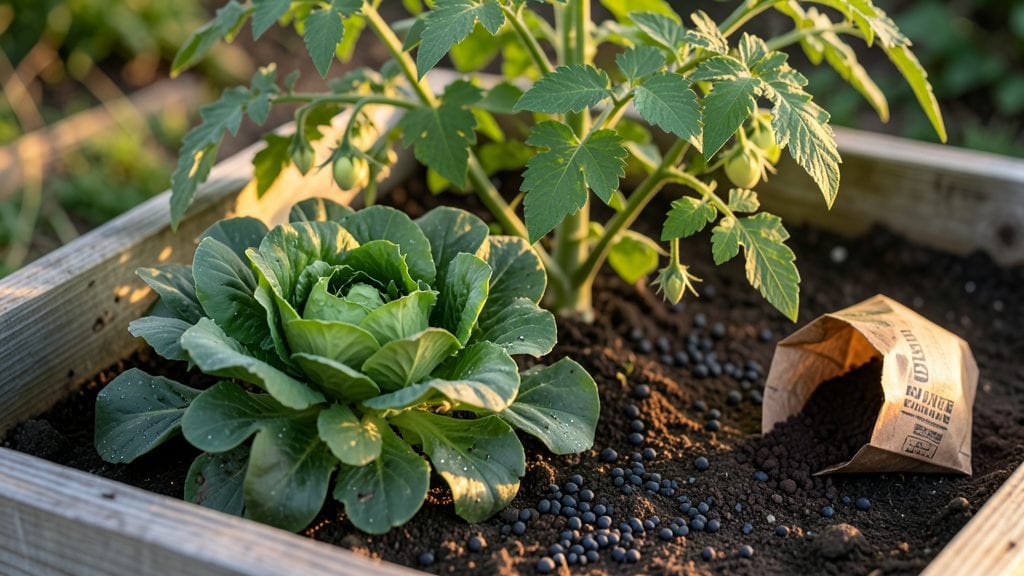
Charcoal in gardening enhances soil structure by improving drainage, retaining moisture, and balancing pH levels while preventing compaction and reducing harmful bacteria. Activated charcoal forms further boost nutrient uptake for healthier plant growth.
Adding charcoal to your garden isn't just about aesthetics—it's a game-changer for soil health. 🌱 The porous structure of charcoal creates tiny air pockets, improving aeration while holding onto moisture like a sponge. This dual action prevents waterlogging and root rot, especially in heavy clay soils.
I've seen firsthand how plants thrive when their roots have both oxygen and hydration, and charcoal delivers both without synthetic additives.
Beyond physical benefits, charcoal acts as a natural detoxifier. It binds to heavy metals and pesticides in the soil, giving plants cleaner access to nutrients. For example, tomatoes and peppers—both heavy feeders—show noticeable growth improvements when grown in charcoal-amended soil.
The key is using the right type: biochar for bulk soil improvements and activated charcoal for targeted detox work.
💡 In This Article
- How Charcoal Boosts Soil Health Mechanically and Chemically
- Best Ways to Use Charcoal for Different Plant Types
How charcoal boosts soil health mechanically and chemically
Charcoal works like a microscopic sponge in soil, creating a network of pores that improve aeration while holding onto water molecules through capillary action. These pores can range from 0.1 to 100 micrometers, allowing roots to access oxygen while preventing compaction.
The result? Roots grow stronger because they're not suffocating in dense, waterlogged soil. This is especially valuable in urban gardens where soil often gets compacted from foot traffic or machinery.
The chemical magic happens through a process called cation exchange. Charcoal's porous surface attracts and holds positively charged nutrients like nitrogen (NH₄⁺) and phosphorus (H₂PO₄⁻) while releasing them slowly to plant roots. Think of it as a nutrient bank that prevents leaching during heavy rains.
Studies show biochar can increase phosphorus availability by up to 40% in sandy soils, where nutrients normally wash away quickly. The dark, crumbly texture also provides a surface area 500 times greater than regular soil particles.
Microbes get a boost too. Charcoal's stable carbon structure feeds beneficial bacteria and fungi, creating a thriving ecosystem that breaks down organic matter faster. In my own garden, compost piles amended with charcoal heat up 20% faster because microbial activity accelerates.
This microbial activity also helps decompose toxins like pesticides and heavy metals, making them less available to plants. For example, activated charcoal has been shown to reduce soil lead levels by 30-50% in contaminated areas.
What most gardeners don't realize is how charcoal affects soil pH. While it's neutral itself, it buffers against extreme acidity or alkalinity by absorbing hydrogen ions. This creates a more stable environment where beneficial microbes can flourish.
The porous structure also traps water vapor, reducing evaporation by up to 30% in dry climates. I've noticed my basil plants stay hydrated for 2-3 extra days between waterings when grown in charcoal-amended soil.
For heavy feeders like corn or squash, the nutrient retention becomes particularly valuable. These plants can deplete soil nitrogen quickly, but charcoal releases it gradually over weeks to months. The slow-release mechanism prevents the rapid nutrient spikes that often lead to leaf burn.
Even for delicate plants like lettuce, the improved soil structure means less transplant shock when moving seedlings from seed trays to garden beds.
One surprising benefit is odor control. Charcoal's ability to adsorb volatile organic compounds means it neutralizes unpleasant smells from decomposing matter or pet waste. This makes it particularly useful around compost bins or near vegetable gardens where odors might deter pests.
The same property that makes charcoal effective in cat litter boxes works in your garden—it traps and breaks down odor-causing molecules at the molecular level.
Remember, the key is proper activation. Raw charcoal needs to be heated to 600-800°F in a low-oxygen environment to develop these beneficial properties. This process creates the porous structure that makes charcoal work so effectively in soil.
Without activation, you're just adding carbon without the surface area needed for maximum benefit. 💫