
Pests
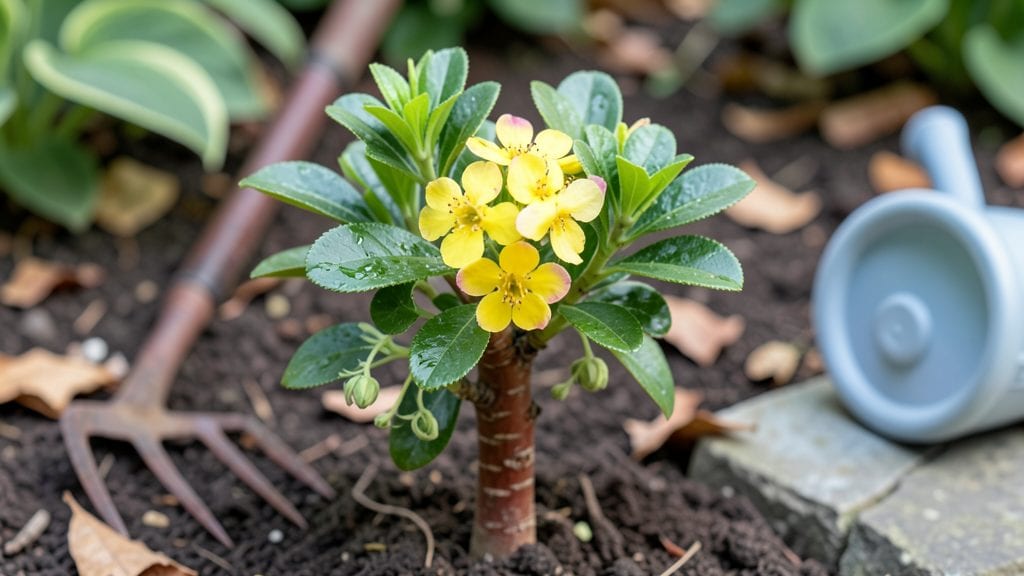
My squirrel prevention garden started after watching them bury my sunflower seeds like buried treasure. 🌱 The key is combining plants they hate with smart physical tricks—no poisons or traps, just clever layering that works year-round.
I’ve tested everything from spicy pepper sprays to raised beds with hardware cloth, and these methods actually stop them without harming the ecosystem.
The simplest solutions often work best: wrap young trees in wire mesh, scatter daffodil bulbs (squirrels avoid them), and keep compost bins sealed tight. Motion-activated sprinklers give them a harmless scare, while raised beds with deep edges make digging nearly impossible.
It’s not about fighting squirrels—it’s about designing a garden where they’d rather snack elsewhere.
By spring, you’ll see fewer frantic digs in your beds and more of your seeds actually sprouting. The right plants—like marigolds, alliums, or boxwood—send squirrels packing naturally, while physical barriers protect vulnerable spots.
No more waking up to half-planted rows or stolen harvests. Let’s make your garden their last stop, not their favorite snack bar.
Works for vegetable patches, flower beds, and even birdseed feeders—no matter how much they love your yard, these tricks keep them out. The best part? Your garden stays lush, your seeds stay safe, and the squirrels move on to easier targets.
Root Causes Of Squirrel Raids
Squirrels may seem like harmless, fuzzy garden visitors, but when they turn into thieves, it’s usually because your property unintentionally meets their needs—or even invites them in. Understanding the why behind their behavior is the first step to outsmarting them.
Here’s a breakdown of the key factors that turn your garden into a squirrel buffet.
Squirrels are opportunistic foragers, meaning they’ll exploit any easy food source—especially when natural supplies run low. Here’s why your garden might be a prime target:
- Abundant Nuts And Seeds: If your garden has oak, hickory, walnut, or fruit trees, you’ve got a squirrel magnet.
These trees produce nuts that squirrels love, and once they find a reliable source, they’ll cache (hide) extras in your soil—often right under your plants. - Unprotected Bird Feeders: Squirrels are exceptional climbers and can access feeders designed to deter them.
If you leave sunflower seeds, peanuts, or suet out, they’ll treat your garden like an all-you-can-eat buffet. - Fruit And Vegetable Vulnerabilities: Soft-skinned fruits (like tomatoes, peaches, or berries) and newly planted seeds are easy pickings.
Squirrels don’t just eat—they dig up bulbs (tulips, daffodils) and strip bark from young trees for sap. - Seasonal Scarcity: In late summer and fall, squirrels go into overdrive stockpiling food for winter. If nearby woodlands have poor acorn crops, they’ll raid gardens aggressively to compensate.
💡 Pro Tip: Squirrels have excellent spatial memory—once they find a food source, they’ll return repeatedly. If you’ve had one visit, assume they’re scouting for future heists.
Squirrels need safe hiding spots—especially during breeding season (late winter to early spring) and when raising young. Your garden might offer:
- Tree Hollows Or Dense Branches: If you have mature trees with hollows, thick foliage, or vines, squirrels will use them as nests (dreys).
Even a loose bark or overgrown shrubbery can provide cover. - Attics, Roofs, And Chimneys: If squirrels can’t find natural shelter, they’ll invade structures.
Check for chewed wood, nests in vents, or droppings—these are signs they’re using your home as a backup plan. - Ground Cover And Mulch Piles: Squirrels burrow in leaf litter, thick mulch, or unkempt grass.
If your garden looks like a wild tangle, it’s an open invitation to nest.
⚠️ Warning: A squirrel nest near your home means frequent visits—they’ll keep returning to check on their young and food caches.
In urban and suburban areas, squirrels face fewer predators than in the wild. This gives them boldness to explore—and steal—without fear. Common predators (like hawks, owls, and foxes) are often absent in:
- Neighborhoods With Few Trees: Without tall perches, raptors can’t hunt effectively, leaving squirrels unchecked.
- Well-Lit Areas At Night: Squirrels are nocturnal foragers—if your garden is brightly lit, predators avoid it, making it a safe zone for squirrel raids.
- Over-Groomed Landscapes: Manicured gardens with no hiding spots force squirrels to venture closer to homes, increasing conflict.
🌡️ Climate Factor: In warmer climates, squirrels are more active year-round, while in colder regions, they become desperate for food in winter, leading to more aggressive behavior.
Squirrels are intelligent and curious—they learn from each other and adapt quickly to human environments. Once one squirrel finds a food source, the whole colony will exploit it.
- Social Learning: Squirrels watch and mimic each other.
If one figures out how to open a trash can or raid a bird feeder, others will follow. - Territorial Marking: They urinate and scratch to mark their territory, meaning if one squirrel claims your garden, others will avoid it—unless food is involved. - Cache Recovery: Squirrels remember thousands of hiding spots and will return to them seasonally.
If you don’t disrupt their patterns, they’ll keep coming back.
🎯 Key Insight: Squirrels don’t just raid—they strategize. If your garden is easy access, they’ll develop routines around it.
Sometimes, we’re the problem. Even small human habits can attract squirrels:
- Compost Piles: Fruit scraps, citrus peels, and coffee grounds are squirrel favorites. An open compost bin is like a five-star restaurant to them. - Pet Food Left Outdoors: Dog or cat food (especially high-fat kibble) is a squirrel delicacy.
Even small amounts can trigger repeated visits. - Trash Bins Without Lids: Squirrels can open lids, tear bags, and dig through trash in minutes.
If they find food waste, they’ll keep returning. - Gardening Practices: Overwatering softens soil, making it easier for squirrels to dig up bulbs. Over-fertilizing can also attract insects, which in turn attract squirrels hunting for snacks.
🔥 Hotspot Alert: Bird feeders are the #1 reason squirrels target gardens. A single feeder can double your squirrel population in weeks.
If your garden is near forests, parks, or even large backyard trees, you’re in a high-risk zone. Squirrels from these areas will expand their range into suburban gardens because:
- Urban Gardens = Easy Meals: Natural food sources are scarce in cities, so squirrels infiltrate for supplements.
- Migration Patterns: Young squirrels (called fledglings) disperse in fall and spring, often ending up in gardens lacking predators.
- Bridge Opportunities: Fences, decks, or low branches act as highways for squirrels to cross into your property.
🚧 Boundary Issue: Even a small patch of wild area (like an unkempt corner) can serve as a launchpad for squirrel invasions.
Squirrel behavior shifts with the seasons, and each phase brings new risks:
| Season | Squirrel Motivation | Your Garden’s Weakness |
|---|---|---|
| Late Winter | Breeding season—need protein for young | Soft bulbs, bird eggs, tender shoots |
| Spring | Raising kits—high food demand | Newly planted seeds, fruit buds |
| Summer | Hydration + occasional snacking | Overripe fruit, open compost, pet food |
| Fall | Hyper-caching for winter | Nuts, acorns, seeds, buried food stashes |
⏰ Critical Window: September to November is when squirrels stockpile aggressively. If you don’t act now, you’ll regret it in winter.
Squirrels don’t raid gardens out of malice—they’re following instinct, memory, and opportunity. The good news? Understanding their triggers lets you outsmart them before they strike. In the next section, we’ll cover actionable solutions to make your garden less appealing (and more secure).
Quick Fixes for Squirrel-Proof Gardens
Squirrels may be adorable, but their relentless foraging can turn your carefully planted garden into a snack bar. The good news? With the right strategies, you can outsmart these bushy-tailed pests and protect your plants, seeds, and hard work.
Below, we’ve mapped the most common squirrel-related garden problems to practical, nature-friendly solutions—no harsh chemicals required.
Squirrels love to bury their own stashes, and your garden becomes prime real estate for their digging sprees. If you’ve noticed freshly turned soil or missing seedlings, it’s time to act.
🔥 Solution: Physical Barriers & Deterrents
- 🍳 Use Chicken Wire or Hardware Cloth Bury a fine mesh barrier (¼-inch or smaller) around planting areas, extending 6–12 inches deep. Squirrels can’t dig through it, but water and roots can still penetrate.
Secure the edges with stakes or rocks to prevent tunneling underneath. Pro Tip: 💡 For bulb beds, wrap individual bulbs in wire mesh before planting—squirrels won’t bother!
- 👨🍳 Plant Squirrel-Confusing Crops Squirrels dislike strongly scented herbs like mint, garlic, or rosemary. Interplant these near vulnerable seeds or bulbs to mask appealing smells. Bonus: These herbs also repel other pests!
- 🥘 Scatter Fake “Danger” Items Squirrels avoid areas that seem risky. Place crushed eggshells, aluminum foil strips, or even old CDs near planting zones. The noise and texture make them think twice.
If your tomatoes, grapes, or berries are disappearing overnight, squirrels are likely the culprits. They’ll climb, chew, and carry off entire harvests—leaving you with frustration.
🔪 Solution: Tree Guards & Harvest Protection
- ⏰ Install Tree Trunk Guards Wrap young fruit trees with plastic tree guards or metal collars to block squirrels from climbing.
For established trees, use slick surfaces like paint or petroleum jelly on the trunk (reapply after rain). Squirrels hate the slippery feel!
- 🍅 Use Netting or Cages Cover vulnerable crops (like grapes or strawberries) with fine netting or cloches (mini greenhouses). Secure the edges tightly—squirrels are surprisingly agile climbers! Pro Tip: ✨ Hang bird feeders away from fruit trees to distract squirrels with an easier snack option.
- 🎯 Harvest Strategically Pick fruits when fully ripe but firm—squirrels target overripe, soft produce. For persistent pests, try hand-picking squirrels at dusk (wear gloves!) or use humane traps to relocate them.
Squirrels aren’t just after food—they’ll gnaw on wooden fences, garden hoses, or even plastic pots to sharpen their teeth. This can damage your garden’s infrastructure.
🔥 Solution: Make Your Garden Less Appealing
- 🌡️ Spicy or Pungent Repellents Squirrels hate spicy smells. Mix cayenne pepper, red pepper flakes, or hot sauce with water and spray it on chewed areas. Reapply after rain. Caution: Avoid spraying edible plants directly.
- 💡 Install Motion-Activated Sprinklers Devices like ScareCrow or Orbit Enforcer emit sudden water bursts when they detect movement. Squirrels learn to avoid the area quickly—no harm done!
- 🔧 Squirrel-Proof Your Structures Replace wooden garden beds with metal or stone (squirrels can’t chew these). For wooden posts, apply bitter apple spray (available at garden centers) to deter gnawing.
The best defense? Make your garden unwelcoming from the start. Here’s how:
- 📊 Plant Squirrel-Deterrent Ground Covers Squirrels dislike low-growing, prickly plants like:
- Clover (they avoid the strong scent)
- Lavender (deters with fragrance)
- Barberry shrubs (thorns discourage climbing)
- 💪 Create a “Squirrel Buffer Zone” Plant a border of squirrel-unfriendly species (like boxwoods or holly) around the perimeter of your garden. This adds an extra layer of protection.
- 🍎 Offer Alternative Food Sources Place squirrel feeders filled with unsalted peanuts or corn far away from your garden. A full belly = less motivation to raid your plants!
Final Thought: Squirrels are clever, but they’re also creatures of habit. By combining physical barriers, scent deterrents, and smart planting, you can create a garden that’s off their radar.
Start with one or two solutions, observe what works, and adjust as needed—your garden (and sanity) will thank you!
Frequently asked questions about keeping squirrels out of your garden
What are the most effective plants to repel squirrels naturally?
Squirrels dislike strongly scented plants like daffodils, marigolds, alliums, and boxwoods. These plants emit odors that mask the smell of food they love, like nuts and seeds. Plant them around vulnerable areas or create a border to discourage squirrels from entering your garden entirely.
How do I protect young trees from squirrel damage?
Wrap tree trunks with plastic tree guards or metal collars to prevent squirrels from climbing. For established trees, apply a slick coating like petroleum jelly or paint to the trunk—squirrels hate the slippery texture. Reapply after rain to maintain effectiveness.
Are motion-activated sprinklers safe for squirrels?
Yes, motion-activated sprinklers like ScareCrow or Orbit Enforcer are completely humane. They deliver a harmless burst of water when squirrels approach, scaring them away without causing harm. This method is especially effective near raised beds or planting areas.
Can I use pepper spray to keep squirrels away?
Yes, but use it carefully. Mix cayenne pepper or red pepper flakes with water and spray it on chewed areas or around garden edges. Avoid spraying edible plants directly, as the residue may not be safe for consumption. Reapply after rain to maintain effectiveness.
What’s the best way to secure compost bins from squirrels?
Use metal or heavy-duty plastic bins with tight-fitting lids. Bury bins partially in the ground or place them on a concrete slab to prevent squirrels from digging underneath. For extra protection, sprinkle crushed eggshells or aluminum foil around the base.