Picking
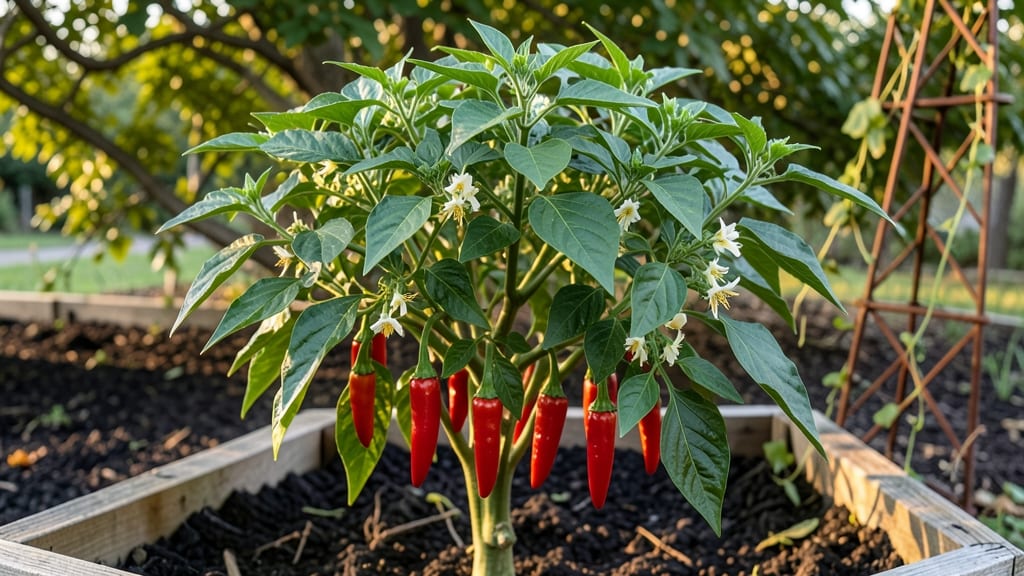
This cayenne pepper gardening adventure gives you the kind of fiery harvest store-bought plants can’t match—think bright red, finger-length pods packed with 30,000 to 50,000 Scoville heat units.
I learned the hard way that these plants demand warmth and patience, but once you nail the basics, you’ll have enough peppers to dry, freeze, or gift to friends who love (or fear) real heat. The secret starts with soil that stays warm and well-draining, because cayennes hate soggy roots.
You’ll need a sunny spot with at least 6-8 hours of direct sunlight daily, whether in a 5-gallon container on your patio or a raised bed in the ground.
Cayennes thrive in 60-95°F soil temperatures, so wait until after your last frost or use a heat mat indoors if starting seeds early. The right fertilizer—balanced 10-10-10 at planting, then switch to low-nitrogen 5-10-10 when flowers appear—keeps them producing all season without going wild with foliage.
By midsummer, you’ll be pinching off early blooms to encourage bushier plants and more pods, then watching tiny green peppers swell into glossy red firecrackers by late summer or fall. The first harvest is always a rush—snipping just the ripe peppers leaves the plant energy to keep producing.
Store extras in the freezer or hang them to dry for winter spice blends that’ll make your kitchen smell like a Mexican market.
Works in USDA Zones 8-11, but even cooler climates can grow cayennes in containers moved indoors before frost. Here’s how to avoid the most common mistakes—like overwatering or crowding plants—and keep your harvest hot and heavy all season.
📚 In This Guide
- What you need
- Instructions
- Tips and common mistakes
- Wrapping up and next steps
What you need
- ● Seeds or Plants: Cayenne pepper seeds (choose a variety like Jalapeño, Tabasco, or Cayenne—start with 5–10 seeds or 3–5 young plants for a small harvest).
- ● Containers or Garden Bed: Containers: 5–10 gallon pots (1–2 per plant) with drainage holes.
- ● Garden Bed: A sunny spot (6+ hours of sunlight daily) with well-draining soil.
- ● Potting Mix: High-quality, well-draining soil mix (add perlite or vermiculite for aeration).
- ● Fertilizer: Balanced fertilizer (10-10-10) for planting.
- ● Low-nitrogen fertilizer (5-10-10) during fruiting (e.g., fish emulsion or compost tea).
- ● Watering Can or Hose: With a gentle spray nozzle.
- ● Pruning Shears: Sharp, sterilized shears for trimming.
- ○ Support (Optional): Small stakes or cages (for taller varieties).
- ● Warmth: Cayennes thrive in temperatures 70–90°F (21–32°C)—start indoors 8–10 weeks before last frost or wait until soil is warm.
- ● pH Level: Soil pH of 6.0–7.0 (test with a kit if unsure).
- ● Patience: Germination takes 7–21 days; harvest in 70–90 days (or longer for hotter varieties).
- ● Use black plastic mulch to warm soil faster and retain moisture.
- ● Add Epsom salt (1 tbsp per gallon of water) monthly for magnesium boost.
- ● Wear gloves when handling peppers—they pack a punch!
Step-by-Step instructions for growing cayenne peppers
Here's how to grow fiery cayenne peppers from seed to harvest with minimal fuss.
Start Seeds Indoors 8-10 Weeks Before Last Frost
Fill small seed-starting pots with the seed-starting mix and moisten it until damp but not soggy. Plant 2-3 cayenne seeds per pot at a depth of about ¼ inch, since they need light to germinate properly. Press them gently into the soil—don't bury them too deep, or they'll struggle to break through.
Cover the pots with plastic wrap or a humidity dome to retain warmth and moisture, then place them in a warm spot with a seedling heat mat set to 75-85°F. Cayenne seeds germinate best in warmth, and you'll see sprouts in 7-14 days. Keep the soil consistently moist but never waterlogged—overwatering at this stage can cause damping-off, a fungal disease that kills seedlings.
Provide Bright Light and Thin Seedlings
Once the seedlings emerge, remove the plastic wrap immediately to prevent mold. Place them under grow lights or in a south-facing window where they’ll receive 12-14 hours of light daily. Without enough light, cayenne seedlings stretch tall and weak—a condition called legginess. If you notice stems elongating too much, move the lights closer or supplement with a grow light.
When the seedlings develop 2-3 true leaves (not just the initial seed leaves), thin them to the strongest one per pot. Use small scissors to snip the weaker stems at soil level—don’t pull them, or you risk disturbing the roots of the remaining plant. This step ensures your cayenne has enough space to grow strong and healthy.
Harden Off and Transplant Outdoors
About 2 weeks before your last frost date, begin hardening off your cayenne seedlings. Start by placing them outside in a sheltered spot for 1-2 hours the first day, gradually increasing their time outdoors over 7-10 days. This slow acclimation helps them adjust to wind, sun, and temperature fluctuations without shock.
Transplant the seedlings into the garden after all danger of frost has passed and the soil has warmed to at least 60°F. Space them 12-18 inches apart in full sun—cayenne peppers thrive in 6-8 hours of direct sunlight daily. Dig a hole slightly larger than the root ball, place the seedling in, and firm the soil around it. Water deeply right after transplanting to help the roots establish.
Maintain Soil Moisture and Fertility
Keep the soil consistently moist but not waterlogged—cayenne peppers dislike soggy roots. Water at the base of the plant in the morning to allow foliage to dry out during the day, reducing the risk of fungal diseases. A 2-3 inch layer of mulch helps retain moisture and regulate soil temperature, especially in hot climates.
Fertilize every 4-6 weeks with a balanced, water-soluble fertilizer (like 10-10-10) diluted to half strength. Too much nitrogen can result in leafy growth at the expense of peppers, so focus on a low-nitrogen, high-phosphorus fertilizer once flowers appear. Watch for yellowing leaves—this can signal overwatering, underwatering, or nutrient deficiencies, so adjust your care accordingly.
Harvest and Encourage Continuous Production
Cayenne peppers are ready to harvest when they reach 3-4 inches in length and turn a vibrant red, yellow, or orange, depending on the variety. Use pruning shears to cut the peppers from the plant—this encourages more fruit to develop. For the spiciest flavor, harvest when the peppers are fully mature but still firm.
To keep your cayenne plants producing, pinch off any flower buds that form on the first 6-8 inches of the stem—this redirects the plant’s energy to growing taller and stronger. Once the plant is well-established, let it flower and fruit freely. With proper care, a single cayenne plant can yield dozens of peppers over the growing season.
Tips & tricks for perfect cayenne pepper gardening
A few key strategies will help you grow cayenne peppers that are both prolific and packed with heat.
Germination Temperature: The 75-85°F heat mat setting is crucial for germination, but consistency matters just as much. If your home fluctuates, consider using a small greenhouse or placing pots on top of the fridge to maintain steady warmth. I've seen germination rates drop by half when temperatures dip below 70°F during the night—don't let that happen to you!
Light Management: Those 12-14 hours of light in Step 2 are non-negotiable for preventing leggy seedlings. If your south-facing window isn't getting enough sunlight, supplement with a basic LED grow light on a timer. I've had success with simple 6000K LED bulbs placed 6 inches above the seedlings—just make sure they're on a timer to give your plants darkness periods too.
Transplanting Timing: Waiting until soil reaches 60°F in Step 3 is important, but don't rush the hardening off process. I've transplanted seedlings that weren't fully hardened and watched them wilt within hours. Start with those 1-2 hours on day one and gradually increase—your plants will thank you with stronger growth.
Fertilizer Strategy: The 4-6 week fertilization schedule works well, but switch to a high-phosphorus formula once flowers appear. I've found that a 5-10-10 ratio works wonders for pepper production. Too much nitrogen at this stage will give you lush foliage but few peppers—something I learned the hard way after my first harvest!
Pro Tips for Cayenne Pepper Gardening
- A few key strategies will help you grow cayenne peppers that are both prolific and packed with heat.
- Germination Temperature: The 75-85°F heat mat setting is crucial for germination, but consistency matters just as muc...
- Light Management: Those 12-14 hours of light in Step 2 are non-negotiable for preventing leggy seedlings. If your sou...
Frequently asked questions
When is the best time to plant cayenne peppers?
Cayenne peppers thrive in warm weather, so plant them after the last frost when soil temperatures reach at least 60°F (15°C). Start seeds indoors 8–10 weeks before transplanting for a head start. In warmer climates (Zones 9–11), you can plant directly in the ground in early spring.
How much heat and sunlight do cayenne peppers need?
Cayennes love full sun (6–8 hours daily) and warmth (70–90°F / 21–32°C). They’re sensitive to cold—below 50°F (10°C) can stunt growth. Use row covers or move pots indoors if frost threatens. Heatwaves? Mulch to retain moisture and protect roots.
What pests or diseases should I watch for?
Common issues include aphids, spider mites, and pepper maggots. Use neem oil or insecticidal soap for pests. For diseases like powdery mildew, improve airflow and avoid overhead watering. Blossom-end rot? Boost calcium with crushed eggshells or a balanced fertilizer.
Can I grow cayennes in containers, and what size pot is best?
Use pots at least 12–18 inches deep with drainage holes. One plant per pot works best—cayennes need space for strong roots. Ensure the container gets sunny spots and use well-draining potting mix. Dwarf varieties like ‘TAM Mild’ thrive in smaller pots (10+ inches).
How long does it take for cayenne peppers to mature?
From seed to harvest, cayennes take 70–90 days (check your variety’s label). Transplanted seedlings may fruit in 60–75 days if conditions are ideal. Patience is key—don’t rush harvesting! Wait until peppers turn deep red/orange and feel firm for maximum heat.
Wrapping up and next steps
Growing your own cayenne peppers is a rewarding journey that brings bold flavors and fiery rewards straight to your kitchen! Whether you're a seasoned gardener or just starting out, embracing the heat of homegrown cayenne is both fun and fulfilling.
Now that you’re armed with the right knowledge—from soil prep to pest control—it’s time to get your hands dirty and watch those spicy pods thrive.
Ready to take the next step? Start with just a few plants this season, experiment with varieties, and soon you’ll be harvesting enough cayenne to spice up every dish—or even share the heat with fellow gardeners! 🌶️