
Companion Plants
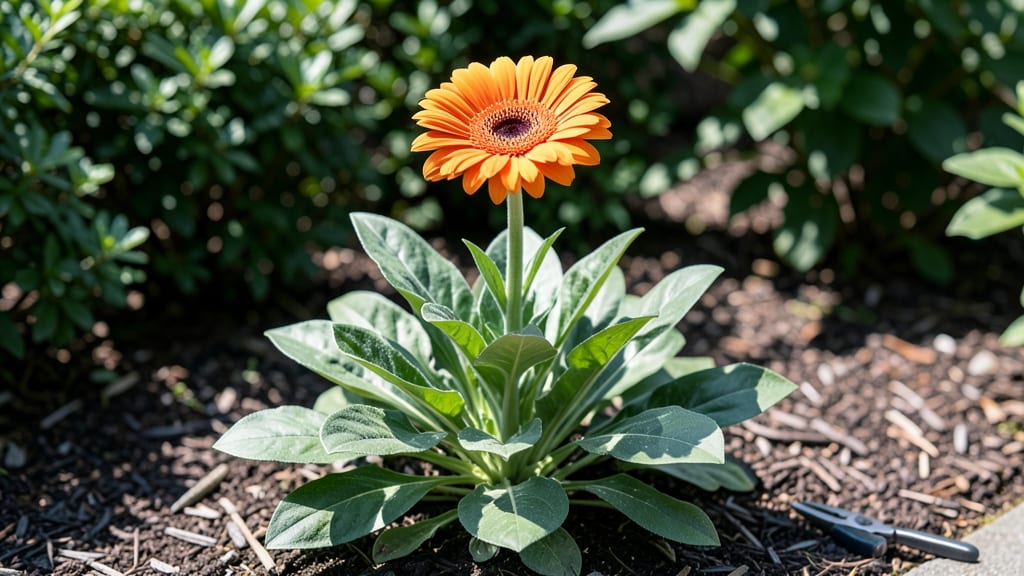
These gerbera garden plants bring bold, sunlit cheer to any border with almost no fuss—just pack them in, and watch the bees buzz in. ✨ The key is treating them like the low-maintenance divas they are: full sun, well-drained soil, and a quick trim after each flush of flowers.
These daisies thrive in grouped drifts of three to five plants, where their colors pop against darker foliage like black-eyed Susans or ornamental grasses. Mix in salvia, coreopsis, or lavender for a cottage garden vibe, or pair them with purple coneflowers for a wildflower meadow feel.
Containers work too—just use pots with drainage and swap out spent blooms for fresh ones every few weeks.
You’ll love how they keep blooming from spring through frost with minimal deadheading. The secret? Water at the base (never overhead) and feed with a slow-release fertilizer once in early summer. They’re drought-tolerant once established, but their petals stay crisp and happy when they get consistent moisture.
For winter interest, cut back faded stems and mulch lightly—they’ll often surprise you with early spring growth. Try planting them near patios or walkways where their cheerful faces lift the mood every time you pass by. Here’s how to make them the star of your garden without the upkeep.
📚 In This Guide
- What you need
- Instructions
- Tips and common mistakes
- Wrapping up and next steps
What you need
- ● Gerbera daisy plants: 10–20 healthy gerbera daisy seedlings (or seeds if starting from scratch)
- ● Potted plants (if buying pre-grown, check for blooms and sturdy stems)
- ● Soil: 5–10 bags of well-draining potting mix (or garden soil amended with compost)
- ● 1–2 cups of perlite or sand (to improve drainage)
- ● Planting containers or garden bed: Containers: 6–8" pots (1 per plant) with drainage holes
- ● Garden bed: Full sun (6+ hours/day) with loose, fertile soil
- ● Fertilizer: Balanced 10-10-10 fertilizer (1 tbsp per plant, monthly during growing season)
- ○ Slow-release granules (optional for convenience)
- ● Watering tools: Watering can or hose with gentle spray nozzle
- ○ Drip irrigation kit (optional for automated care)
- ● Mulch (2–3 inches of shredded bark or straw to retain moisture)
- ● Plant supports (small stakes for tall varieties in windy areas)
- ● Deadheading shears (to trim spent blooms neatly)
- ● Garden gloves (to protect hands from thorns on some varieties)
Step-by-step instructions for planting and caring for gerbera daisies
Here's how to get vibrant gerbera daisies thriving with just a few simple steps.
🌱 Step 1: Choose the Right Location and Prepare the Soil
Gerbera daisies love full sun—at least 6-8 hours daily. I always pick the sunniest spot in my garden because they simply won’t bloom well in shade. These plants prefer well-draining soil, so if your garden soil is heavy clay, mix in 2-3 inches of compost to improve drainage and aeration.
Loosen the soil to a depth of 12 inches with a garden fork to help roots spread easily. The ideal soil pH for gerberas is 6.0-6.5. You can test your soil’s pH with a simple kit from the garden center—if it’s off, add sulfur to lower it or lime to raise it. Don’t skip this step; gerberas are fussy about soil acidity.
🪴 Step 2: Plant Gerbera Tubers at the Right Depth and Spacing
Plant gerbera tubers 1 inch deep in the prepared soil, spacing them 12-18 inches apart. The tubers look like small, firm bulbs—place them with the growing point (a tiny bump) facing upward. If you’re unsure which end is up, just plant them horizontally; they’ll figure it out.
Cover the tubers lightly with soil and water thoroughly to settle everything. The tubers need consistent moisture to establish roots, but avoid waterlogging. You’ll know they’re happy when new shoots emerge in 2-4 weeks. If you notice yellowing leaves after planting, it’s usually a sign of overwatering or poor drainage.
☀️ Step 3: Water and Fertilize for Continuous Blooms
Keep the soil evenly moist but not soggy—gerberas hate wet feet. Water at the base of the plant in the morning so the foliage has time to dry before evening. I aim for 1 inch of water per week, adjusting for rain. Too much water causes root rot, while too little leads to droopy, wilted blooms.
Feed gerberas with a balanced, water-soluble fertilizer (like 10-10-10) every 4-6 weeks during the growing season. Stop fertilizing in late summer to encourage dormancy. You’ll see the most vibrant blooms when the plants get consistent care—just like they do in those bright floral arrangements.
✂️ Step 4: Deadhead and Prune for Long-Lasting Color
Deadhead spent blooms by snipping the stem just above the next set of leaves. This encourages new flowers to form and keeps your gerberas looking neat. I do this every 2-3 days during peak bloom season—it’s a quick task that pays off with nonstop color.
If your gerberas get leggy or overcrowded, trim back the foliage by one-third in early summer. This promotes bushier growth and more blooms. Just avoid cutting into the tuber itself—it’s the plant’s energy reserve. You’ll notice a fresh burst of growth within a few weeks of pruning.
⏰ Step 5: Prepare for Winter Dormancy
When temperatures drop below 50°F at night, gerberas start to slow down. Reduce watering and stop fertilizing entirely. The tubers will go dormant naturally, and the foliage will turn yellow and die back. Don’t panic—this is normal!
In colder climates, mulch the area with 2-3 inches of straw or leaves to protect the tubers over winter. In milder areas, you can leave them in the ground. Come spring, the tubers will sprout again, and you’ll have fresh blooms without replanting.
Tips & tricks for perfect gerbera daisy planting and care
Here's what I've learned after years of growing these showstopping flowers—small details make all the difference.
Sunlight Strategy: Those 6-8 hours of full sun are non-negotiable, but here's the secret: position your gerberas where they get morning sun and afternoon shade in extremely hot climates. The intense afternoon rays can scorch the delicate petals. I've seen gerberas in full sun all day struggle in summer heat, while those with partial afternoon shade produce bigger, more vibrant blooms.
Soil Prep Secret: Don't just add compost—work it into the soil down to that 12-inch depth. I like to mix in a handful of perlite or coarse sand if my soil is particularly dense. This creates tiny air pockets that prevent waterlogging, which is crucial since gerberas hate soggy roots. The extra effort pays off with healthier plants that bloom longer.
Planting Depth Tip: That 1-inch planting depth might seem shallow, but it's perfect. Planting too deep can cause the tubers to rot, while planting too shallow exposes them to temperature swings. Here's my trick: use your finger to make a small dimple in the soil where each tuber will sit—just deep enough to cover the tuber with 1 inch of soil. This ensures consistent depth every time.
Watering Wisdom: The 1-inch weekly water goal is a great starting point, but I adjust based on rainfall and temperature. In summer heat, I water every 2-3 days in the morning, giving each plant about 1 cup of water at the base. The key is keeping the soil evenly moist without creating puddles. You'll know you're doing it right when the top inch of soil feels slightly damp but not wet.
Pro Tips for Gerbera Garden Plants
- Here's what I've learned after years of growing these showstopping flowers—small details make all the difference.
- Sunlight Strategy: Those 6-8 hours of full sun are non-negotiable, but here's the secret: position your gerberas where they get morning sun and afternoon shade in extremely hot climates.
- Soil Prep Secret: Don't just add compost—work it into the soil down to that 12-inch depth.
Frequently asked questions
Got questions about growing gerbera daisies? You’re not alone!
Here are the most common concerns—plus quick, practical answers to keep your garden blooming effortlessly.
How often should I water gerbera daisies?
Water gerbera daisies deeply but infrequently—about 1-2 times per week, depending on your climate. Let the top inch of soil dry out between waterings to prevent root rot. Pro tip: Water at the base (not the leaves) to avoid fungal diseases.
Can gerbera daisies survive winter outdoors?
Most gerbera daisies are tender perennials and won’t survive frost. In cold climates, dig up tubers in fall, store them in dry peat moss, and replant in spring. If you’re in a mild zone (USDA 9-11), mulch heavily or grow them as annuals.
What’s the best companion plant for gerbera daisies?
Pair gerberas with low-competing plants like:
- Lettuce or spinach (shade-tolerant)
- Marigolds (repel pests naturally)
- Basil or thyme (deter insects)
Why are my gerbera leaves turning yellow?
Yellow leaves usually mean overwatering, poor drainage, or pests. Check for:
- Root rot (soggy soil? Fix with well-draining mix)
- Aphids or spider mites (spray with neem oil)
- Nutrient deficiency (feed with balanced fertilizer every 4-6 weeks)
Can I grow gerbera daisies in containers?
Use a 12-inch pot with drainage holes and a mix of potting soil + perlite. Place in full sun and water consistently. Bonus: Container gerberas are perfect for patios or balconies—just move them indoors if temps drop below 50°F.
How do I keep gerbera daisies blooming all year?
For continuous blooms, deadhead spent flowers regularly and fertilize monthly with a low-nitrogen formula (like 5-10-10). In cooler months, move pots to a sunny indoor spot or extend the season with a greenhouse.
Wrapping up and next steps
Gerbera daisies are the perfect low-maintenance superstars for adding vibrant color to your garden year-round! With their bright blooms, easy care, and ability to thrive in various conditions, they’re ideal for both beginner and seasoned gardeners.
Whether you’re planting them in pots, borders, or containers, these cheerful flowers bring joy with minimal effort.
Ready to transform your space? Start by picking your favorite colors, gathering the right supplies, and giving these beauties the love they deserve. Your colorful, stress-free garden awaits—go plant and enjoy! 🌸✨