
Tools
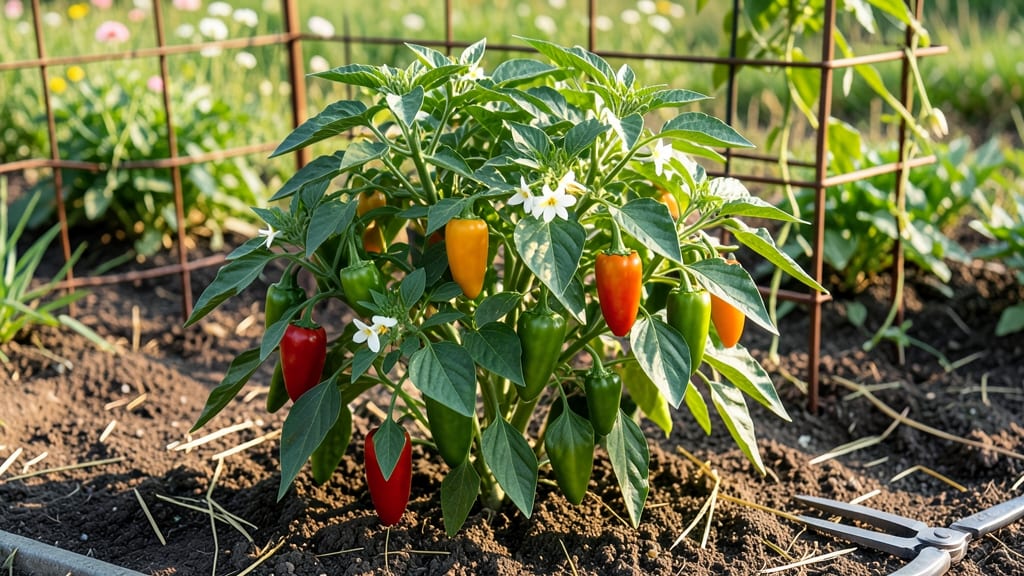
Growing salsa garden peppers in vertical space saves your backyard—and your back. 🌱 I turned my tiny patio into a fiery harvest by training jalapeños and serranos up trellises, and the flavor?
Worth every inch of vertical real estate. The key is choosing compact varieties that don’t sprawl, then giving them the right support from day one.
You’ll need sturdy trellises or cages (I use 4-foot bamboo stakes with twine), well-draining potting mix, and a sunny spot with at least 6 hours of direct light daily.
Water consistently—peppers hate soggy roots but wilt fast when dry. Start seeds indoors 8-10 weeks before last frost, or buy transplants for a quicker harvest.
By midsummer, you’ll be snipping peppers straight from the vine, their heat building as the season progresses. The vertical trick keeps plants off the ground, reduces disease, and lets you grow twice as many in the same space. Plus, harvesting becomes a breeze—no more bending over for sore knees.
Works for balconies, small yards, or even sunny windowsills with grow lights. Here’s how to set it up without sacrificing flavor or yield—no green thumb required.
📚 In This Guide
- What you need
- Instructions
- Tips and common mistakes
- Wrapping up and next steps
What you need
- ● Salsa Garden Pepper Seeds: 10–20 seeds (choose heat-resistant varieties like Jalapeño, Serrano, or Habanero for bold flavor).
- ● Vertical Growing System: Option 1: A 5-gallon fabric grow bag (3–4 bags for 10+ plants).
- ● Option 2: A wall-mounted pocket planter (12–16 pockets, 6" deep).
- ● Option 3: A trellis or A-frame tower (6–8 ft tall, with sturdy netting or slats).
- ● Potting Mix: 5–10 lbs of well-draining, organic potting soil (mix in perlite or vermiculite for aeration).
- ● Fertilizer: Balanced organic fertilizer (10-10-10 or 5-5-5, 2–3 lbs).
- ● Slow-release granules (like osmocote) for steady nutrients.
- ● Basic Gardening Tools: Trowel or small hand shovel.
- ● Pruning shears (for trimming and harvesting).
- ● Watering can or drip irrigation kit (with a timer for consistency).
- ● Support Accessories: Soft plant ties or Velcro straps (for securing vines to trellises).
- ● Small stakes or bamboo poles (if using a freestanding tower).
- ○ Optional (But Helpful!) Extras: Grow lights (LED, 12–16 hrs/day if indoors).
- ● pH testing kit (ideal soil pH: 6.0–6.8).
- ● Mulch (straw or shredded leaves to retain moisture).
- ● Pest control: Neem oil or insecticidal soap.
- ● Sunlight: 6–8+ hours of direct sunlight daily (south-facing window or grow lights if indoors).
- ● Temperature: 70–85°F (peppers hate frost—wait until last frost has passed!).
- ● Water: 1–1.5 inches per week (keep soil consistently moist, not soggy).
Step-by-Step instructions for growing salsa garden peppers vertically
Here's how I transform small spaces into pepper powerhouses using vertical growing tricks.
🪴 Step 1: Set Up Your Vertical Growing System
Start by selecting a sturdy trellis, tower garden, or DIY frame that can support 4 pepper plants with 12-inch spacing between each. I use a 3-foot-tall wooden frame with chicken wire for my setup—it's lightweight, affordable, and holds up to the weight of heavy pepper fruits. Place it in a location that gets 6-8 hours of direct sunlight daily.
Fill the bottom of your vertical planter with 2 gallons of potting mix, pressing it down gently to create a stable base. The reason we start with a solid foundation is that peppers have deep roots and need something to grip onto as they grow upward. Add 1 cup of compost mixed into the soil to give your plants a nutrient boost right from the start.
🌱 Step 2: Plant Your Pepper Starts
Dig a hole in each planting pocket or cell that's twice as wide as the root ball of your pepper starts. Gently remove each plant from its container and place it in the hole, spreading the roots outward. This encourages them to establish quickly in their new vertical home. Fill the hole with more potting mix, pressing lightly around the base to eliminate air pockets.
Water immediately after planting, giving each plant 1 cup of water until it drains out the bottom. You'll know you've done it right when the soil looks evenly moist but not soggy. I like to water in the morning so the plants have all day to dry out slightly before nightfall.
☀️ Step 3: Train Peppers to Grow Vertically
As your peppers grow, they'll naturally reach toward the light. When they're about 6 inches tall, gently tie each main stem to the trellis or frame using soft plant ties or strips of old fabric. Don't pull too tight—you want just enough support to guide their growth without restricting it.
Here's the trick: pinch off any side shoots that form below the first flower cluster. This redirects the plant's energy into growing taller and producing more fruit higher up. You'll see new growth emerge from the leaf axils above the first flower—these are your future fruit-bearing branches. Watch for first flowers around 6-8 weeks after planting.
💧 Step 4: Maintain Your Vertical Pepper Garden
Water your vertical peppers at the base, giving each plant 1-2 cups of water every 2-3 days when the top inch of soil feels dry. The key with vertical growing is to keep the soil consistently moist but never waterlogged. I use a watering can with a long spout to reach all planting pockets easily.
Fertilize every 4 weeks with ½ cup of balanced fertilizer mixed into the soil. You'll notice the plants respond with darker green leaves and more vigorous growth. Prune regularly to remove any yellow or diseased leaves—this keeps air circulating and prevents problems before they start.
✂️ Step 5: Harvest and Prune for Continuous Production
Start harvesting when peppers reach their mature size—usually 3-4 inches long for most salsa varieties. Use clean scissors to snip the stem just above the fruit. This encourages the plant to produce more flowers and peppers in the same spot.
After each harvest, check for any suckers (those little side shoots) that might have formed. Remove them up to the first 5 flower clusters to keep the plant focused on growing upward. You'll love how this method keeps your plants compact while maximizing fruit production in a small space.
Tips & tricks for perfect vertical pepper harvests
Transforming your small space into a pepper powerhouse takes a few key tricks that make all the difference. Here's how I've perfected my vertical pepper garden over the years.
Sunlight Strategy: That 6-8 hours of sunlight is non-negotiable for vertical peppers. If your space gets less than 6 hours, supplement with a grow light for 4-6 hours daily. I place mine just above the plants to mimic natural sunlight. Morning sun is especially important—it helps prevent fungal issues that can develop from evening moisture.
Root Establishment Tip: When planting in Step 2, make those holes twice the width of the root ball but only as deep as the root ball itself. This encourages roots to spread outward rather than growing downward, which is crucial for stability in vertical systems. Gently pressing the soil around the roots helps eliminate air pockets that can suffocate young roots.
Pruning Precision: In Step 3, when you see those first flowers around 6-8 weeks, focus on removing only the side shoots below them. Leave the suckers above the first flower cluster—they'll become your future fruit-bearing branches. I use clean scissors to make precise cuts just above the leaf node where the sucker emerges, which helps prevent disease entry points.
Watering Wisdom: The 2-3 day watering schedule in Step 4 works best when you check soil moisture at the same time each day. Stick your finger about an inch into the soil—if it feels dry, water thoroughly until it runs out the bottom. Vertical systems dry out faster than ground-level planting, so consistency is key. I've found that morning watering gives plants all day to dry out before evening, reducing fungal risks.
Pro Tips for Salsa Garden Peppers
- Transforming your small space into a pepper powerhouse takes a few key tricks that make all the difference.
- Sunlight Strategy: That 6-8 hours of sunlight is non-negotiable for vertical peppers.
- Root Establishment Tip: When planting in Step 2, make those holes twice the width of the root ball but only as deep as the root ball itself.
Frequently asked questions
How long does it take for salsa garden peppers to mature?
Most salsa peppers (like jalapeños, serranos, or habaneros) take 60–90 days to mature after transplanting. Smaller varieties may ripen faster, while hotter peppers (like ghost peppers) can take up to 120 days. Start seeds indoors 8–10 weeks before your last frost for a head start!
Why aren’t my salsa peppers turning red (or their mature color)?
Peppers change color when they’re fully ripe—but they need consistent warmth and sunlight (at least 6–8 hours/day). If temps drop below 60°F (15°C), growth slows. Try moving pots to a sunnier spot or use a grow light for indoor setups. Patience pays off—some peppers take weeks to color!
Can I grow salsa peppers in containers if I don’t have a garden?
Salsa peppers thrive in 5-gallon containers or deeper pots with drainage holes. Use a lightweight potting mix (avoid garden soil) and fertilize every 2–3 weeks with a balanced formula. Just ensure the container is at least 12 inches deep—shallow pots stunt root growth.
What’s the best way to harvest salsa peppers for maximum heat?
Pick peppers when they’re fully colored but still firm—this concentrates capsaicin (the compound that makes them spicy!). Use sterilized scissors or pruners to avoid damaging plants. For continuous harvests, pinch off flowers as they form to redirect energy to existing peppers. Pro tip: Wear gloves—handling peppers can irritate skin!
How do I save seeds from salsa peppers for next year?
Let peppers fully ripen and dry on the plant (or indoors in a paper bag). Once shriveled, cut open the pepper, scoop out seeds, and ferment them in water for 2–3 days to remove pulp. Rinse, dry on paper towels, and store in an airtight container in a cool, dark place. Label varieties! Seeds stay viable for 2–4 years.
Wrapping up and next steps
Growing salsa garden peppers in compact spaces is not only possible—it’s a rewarding way to boost your harvest without sacrificing yard space! With the right vertical setup, you’ll enjoy fresh, flavorful peppers year after year, perfect for homemade salsa, snacks, or gifting.
Whether you’re a beginner or a seasoned gardener, this method makes it easy to green your thumb—literally! 🌱
Ready to transform your balcony, patio, or small garden? Start by gathering your supplies, then follow the step-by-step guide to build your vertical pepper paradise. Your next step? Sketch a simple plan, pick your favorite pepper varieties, and get planting—your taste buds (and Instagram feed) will thank you!