Vegetables
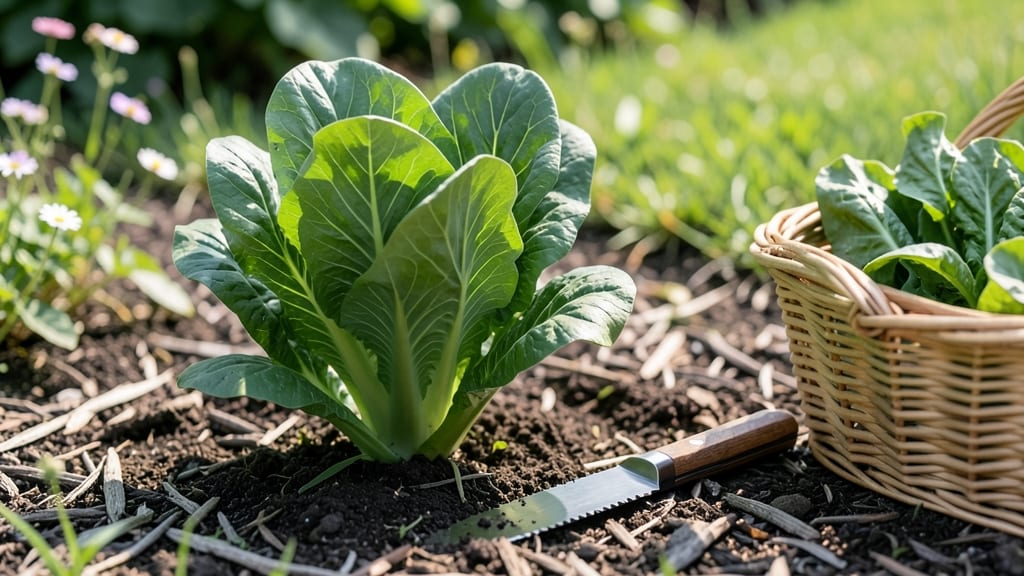
Humans garden to connect with nature, reduce stress, and foster a sense of accomplishment through nurturing growth. Gardening also provides fresh produce, enhances mental well-being, and strengthens community bonds while offering a tangible way to engage with the environment.
Gardening taps into something primal—our innate need to cultivate and care for life. 🌱 Studies show that tending plants lowers cortisol levels, making it a natural antidote to modern stress.
Beyond the mental boost, there's the joy of watching seeds transform into food, which creates a direct link between effort and reward. Many gardeners also report deeper connections to their communities through shared harvests or local food initiatives.
This practice isn't just about growing vegetables—it's about reclaiming a slower, more intentional pace in our lives. Whether you have a backyard plot or a windowsill herb garden, the act of nurturing plants builds patience and resilience.
Plus, the fresh produce you grow often tastes better and costs less than store-bought options, making it a practical lifestyle upgrade too.
💡 In This Article
- Psychological Benefits of Gardening for Mental Health
- Practical Ways Gardening Improves Daily Life
Psychological benefits of gardening for mental health
Here's what's actually happening when you tend a garden: your brain gets a double dose of natural mood boosters. Studies from the American Horticultural Therapy Association show that gardening reduces cortisol—the stress hormone—by up to 44% after just 30 minutes of activity.
The rhythmic motions of digging, planting, and weeding create a meditative state similar to mindfulness practices, with brainwave patterns shifting toward alpha waves associated with relaxation. This is why many therapists now prescribe "green prescriptions" for anxiety and depression.
The science gets even more interesting when you look at neurotransmitters. Tending plants triggers dopamine release—your brain's "reward chemical"—when you see progress, like leaves unfurling or flowers blooming.
Serotonin levels also rise from exposure to sunlight and fresh air, creating what researchers call a "nature-induced happiness effect." 🌿 A 2019 University of Michigan study found gardeners had 30% lower risk of depression than non-gardeners, with the effects comparable to moderate exercise.
The tactile experience of handling soil (rich in Mycobacterium vaccae) may also stimulate immune responses that improve mood.
What most people don't realize is how gardening rewires your brain for resilience. Horticultural therapy programs show that patients with PTSD or dementia experience reduced symptoms when caring for plants.
The National Institute of Mental Health highlights that gardening's combination of physical activity, sensory stimulation, and goal-oriented tasks creates a "triple threat" for mental wellness. Even small acts—like harvesting a single tomato—build confidence through tangible achievements that traditional therapy often can't replicate.
The sensory experience plays a crucial role too. The aroma of crushed mint or fresh basil stimulates the olfactory system, which is directly linked to memory and emotion centers.
Touching velvety leaves or prickly thorns provides sensory feedback that grounds you in the present moment. 🌱 These multi-sensory inputs create what psychologists call "flow states"—that perfect balance between challenge and skill where time seems to disappear.
This explains why many gardeners report feeling more present and less anxious after just 20 minutes of work, even in urban settings.
Let's talk numbers: A 2021 study in BMC Complementary Medicine found that gardening reduced symptoms of ADHD in children by 25% through improved focus and impulse control. The act of planning a garden layout engages executive functions, while maintenance teaches delayed gratification.
For adults, the cognitive benefits extend to better memory retention—especially when paired with labeling plants—which creates a natural form of cognitive stimulation. This is why senior communities increasingly incorporate gardening programs to combat age-related cognitive decline.
The community aspect adds another layer. Shared gardening projects—like community plots or school gardens—create social bonds that release oxytocin, the "bonding hormone." 💛 This explains why gardening clubs often report higher satisfaction than solitary hobbies.
The combination of physical activity, nature exposure, and social connection makes gardening one of the most comprehensive mental health tools available, with benefits that accumulate over time rather than requiring expensive interventions.