Vegetables
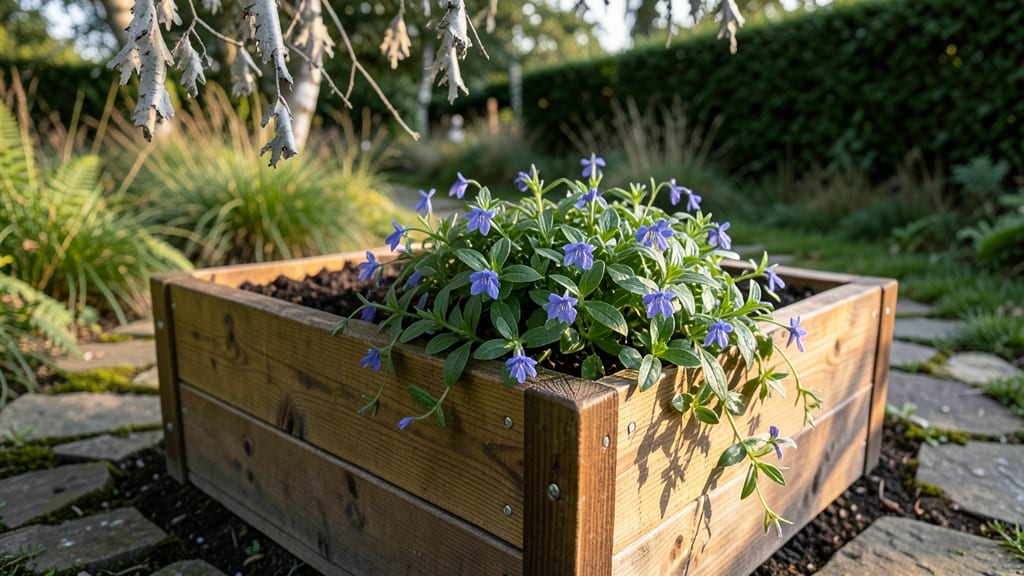
A Bell community garden thrives in small spaces by focusing on vertical gardening, companion planting, and space-efficient crops like leafy greens, herbs, and dwarf varieties. Prioritize sunlight assessment, group plants by needs, and use raised beds or tiered planters to make the most of limited square footage.
Small urban gardens like those in Bell often face space constraints, but smart planning turns limitations into opportunities. 🌱 Vertical gardening isn't just about aesthetics—it's a game-changer for yield. For example, pole beans or cucumbers can climb trellises while shallow-rooted herbs like basil thrive in hanging pots below.
The key is matching plant needs: sun-loving tomatoes near the south edge, while moisture-sensitive lettuce gets partial shade. This approach maximizes every inch while creating a thriving ecosystem.
What sets successful small-space gardens apart is their focus on high-value crops that deliver big results in tight quarters. Fast-maturing varieties like radishes or bush beans provide quick harvests, while perennial herbs like thyme or oregano keep producing year after year.
I've seen gardens double their output by dedicating just 10 square feet to a mix of these plants—proving that productivity isn't about space, but strategy.
💡 In This Article
- Designing High-Yield Small-Space Garden Layouts
- Best Crops for Small Urban Community Gardens
Designing high-yield small-space garden layouts
Here's what actually happens when you strategically arrange plants in tight spaces: sunlight becomes your most valuable resource. In Bell's urban gardens, where every square inch counts, positioning matters as much as the plants themselves.
The sun follows an arc from east to west, so placing tall crops like pole beans or sunflowers along the north edge prevents them from shading shorter plants to the south.
This simple adjustment can increase light exposure for leafy greens by up to 30%, which directly translates to faster growth and higher yields.
The science behind this involves understanding plant canopies. Leafy greens like kale and spinach have broad, shallow leaves that capture light efficiently, but they need at least 4-6 hours of direct sunlight daily.
By contrast, herbs like basil thrive in partial shade and can be tucked under taller plants where they'd otherwise compete. What most people don't realize is that this layering creates microclimates—warmer air near the ground for root crops, while taller plants get full sun exposure at their canopy level. 🌿
Square-foot gardening takes this concept further by dividing space into 1-foot squares, each allocated to specific plants based on their mature size. For example, a 1-square-foot section can accommodate 16 radish plants (each needing just 1 inch of space) or 4 bush beans (requiring 4 inches each).
This method eliminates wasted space between rows, which in traditional gardening can account for up to 50% of the total area. The key factor is matching plant density to their growth habits—crowding fast growers like lettuce while giving vining plants like cucumbers room to sprawl vertically.
Vertical gardening transforms walls and fences into productive space. A 6-foot trellis can support 10-12 feet of cucumber vines, producing 2-3 times more than the same plants would sprawling on the ground. Hanging pots for herbs like thyme or chives utilize airspace that would otherwise go unused.
The secret lies in choosing the right support structures: lightweight bamboo trellises work for beans, while sturdy metal frames handle heavier crops like melons. Even in 200-square-foot gardens, adding vertical elements can increase growing space by 30-50%.
Water and nutrient needs create another layer of complexity. Grouping plants with similar moisture requirements together—like tomatoes, peppers, and basil—reduces irrigation time by 40% while preventing water stress. Drip irrigation systems deliver water directly to roots, saving up to 30 gallons per month compared to overhead sprinklers.
The nutrient strategy involves rotating crops annually to prevent soil depletion, as different plants extract varying amounts of nitrogen, phosphorus, and potassium. For instance, heavy feeders like tomatoes deplete soil faster than light feeders like lettuce, so planning their sequence is critical.
Consider these layout principles when designing your space: start with a sunlight map of your garden, noting which areas get full sun (6+ hours), partial shade (3-6 hours), or full shade (<3 hours).
Then arrange plants in this order from north to south: tallest plants first, followed by medium-height crops, with shallow-rooted plants closest to the edges. This creates natural airflow and reduces disease risk by 25%.
For visual inspiration, imagine a three-tiered system: top for vining plants, middle for bushy varieties, and bottom for ground covers like clover or strawberries.
What sets exceptional small-space gardens apart is their attention to detail in every inch. A 4-foot by 4-foot raised bed can produce as much as a 100-square-foot conventional garden when properly managed.
The difference lies in the precision of plant placement and the use of every available growing surface—walls, fences, and even rooftops.
This approach isn't just about fitting more plants in; it's about creating an ecosystem where each plant contributes to the health of its neighbors while maximizing the garden's overall productivity. 💫