
Flowers
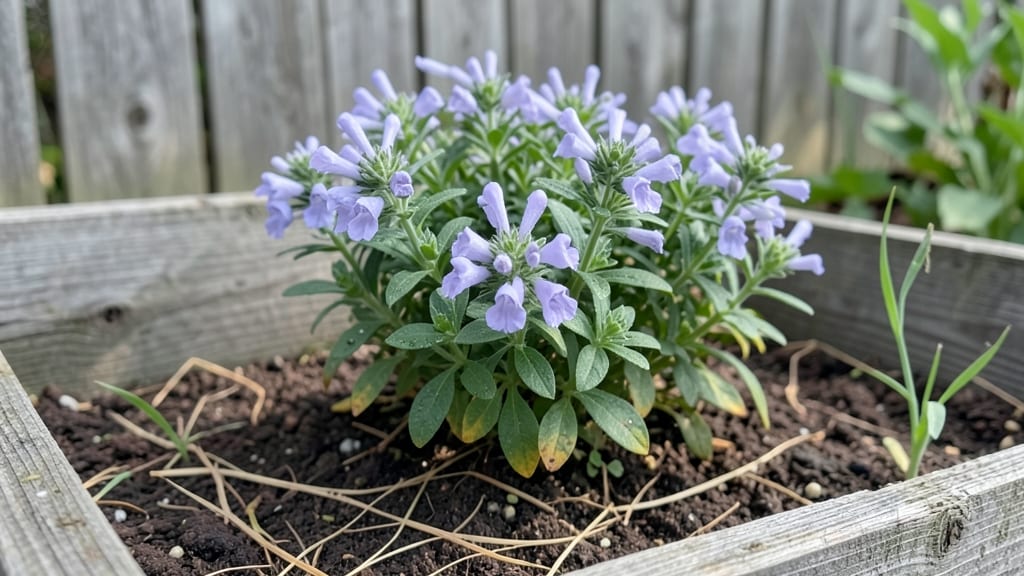
Angelonia’s velvety purple spikes transform any garden into a fragrant, sun-drenched retreat. 🌿 I first fell for it when I tucked it into a hot, humid border—where most plants wilted, this one thrived, its delicate blooms swaying in the breeze like tiny flags.
The secret lies in its love for heat, its drought tolerance, and how effortlessly it pairs with other summer favorites.
Think of it as the garden’s unsung hero: plant it along walkways where you’ll brush past the fragrant blooms, or nestle it in containers with trailing plants like sweet potato vine.
Its upright habit makes it perfect for filling gaps in mixed beds, while its long bloom season (late spring to fall) ensures color when many others fade. The key? Pair it with silver foliage plants like dusty miller to make those purple spikes pop even more.
You’ll end up with a garden that feels alive—textured, layered, and buzzing with pollinators. The contrast of angelonia’s spikes against deep green leaves or bold annuals like zinnias creates visual drama, while its subtle vanilla scent adds a sensory dimension most flowers miss.
It’s the kind of plant that makes neighbors pause and ask, “What’s that?”—and then want one for themselves.
Works in cottage gardens, modern landscapes, or even as a pollinator magnet in a wildflower meadow. The best part? It’s foolproof once you know its preferences—no fuss, just stunning results. Let’s get those spikes planted!
Common Culprits Behind Angelonia Struggles
Angelonia, with its striking spikes of blue, purple, or white blooms, is a garden favorite—but even the hardiest plants can face challenges. Understanding why these issues arise is the first step to keeping your angelonia thriving.
Let’s break down the science behind the most frequent problems and how to spot them early.
Angelonia loves warmth but can wilt or scorch when temperatures climb too high, especially in full sun without proper care. Here’s why it happens:
- Transpiration overload: In intense heat, angelonia’s leaves lose moisture faster than roots can absorb water, leading to wilting or crispy leaf edges. Think of it like a plant sweating—too much, too fast, and dehydration sets in.
- Sunburn risk: Direct midday sun (especially in zones 9–11) can cause bleached or brown patches on leaves. The plant’s protective pigments break down under UV stress, similar to how human skin burns.
- Soil temperature spikes: Dark, exposed soil heats up, stressing roots. Angelonia prefers soil temps between 65–75°F (18–24°C)—any hotter, and root activity slows, starving the plant of nutrients.
Actionable fix:
- Provide afternoon shade (use shade cloth or plant near taller companions like Lantana or Salvia).
- Mulch with 2–3 inches of organic matter (straw or wood chips) to insulate roots.
- Water deeply at dawn to cool the soil and reduce evaporation.
Angelonia’s native habitat in South America means it’s adapted to well-drained soils, but many gardeners drown it by mistake. Here’s the science:
- Root suffocation: Soggy soil cuts off oxygen to roots, triggering root rot (a fungal infection caused by Pythium or Phytophthora). Healthy roots need 20–30% air space—compacted or waterlogged soil robs them of this.
- Nutrient leaching: Excess water washes away essential nutrients like phosphorus and potassium, which angelonia needs for blooming. It’s like flushing money down the drain—your plant can’t access what it’s paid for!
- Fungal infections: Stagnant water creates a breeding ground for pathogens. Look for yellowing leaves, black spots, or a foul smell—these are red flags.
Actionable fix:
- Amend soil with perlite or coarse sand (20–30% mix) to improve drainage.
- Use self-watering pots with drainage holes or raised beds for containers.
- Water only when the top inch of soil is dry—stick your finger in to check!
Angelonia’s tender foliage makes it a magnet for pests and pathogens. Here’s how they exploit weaknesses:
| Problem | Why It Happens | Signs to Watch For |
|---|---|---|
| Spider Mites | These tiny arachnids thrive in dry, hot conditions and pierce cells to suck out sap. They’re drawn to stressed plants (like those with heat damage) because weak defenses = easy meals. | Fine webbing on undersides of leaves, stippled or bronze-colored leaves. |
| Whiteflies | Attracted to new growth and honeydew (a sticky residue from aphids). They spread viruses while feeding, stunting plant growth. | Clouds of tiny white insects when disturbed; sticky leaves. |
| Powdery Mildew | A fungal infection that flourishes in humid, low-light conditions. Spores land on leaves and germinate when humidity stays above 75% for 12+ hours. | White, powdery coating on leaves; distorted new growth. |
Actionable fix:
- Spider mites/whiteflies: Spray with neem oil (1 tsp per quart of water) or introduce ladybugs as natural predators.
- Powdery mildew: Improve airflow with pruning and avoid overhead watering. Treat with baking soda spray (1 tsp baking soda + 1 quart water + a drop of soap).
- Prevention: Inspect plants weekly and remove affected leaves immediately.
Angelonia’s vibrant blooms demand balanced nutrition, but many gardeners unknowingly starve their plants. Here’s what’s missing—and why:
- Nitrogen (N) deficiency: Leads to pale, yellow leaves because nitrogen is critical for chlorophyll production. Overwatering or leaching often washes it away.
- Phosphorus (P) deficiency: Causes weak stems and poor flowering. Phosphorus fuels energy transfer in plants—without it, angelonia can’t produce the _ATP_ needed for blooms.
- Potassium (K) deficiency: Results in brown leaf edges or scorching. Potassium regulates water and disease resistance—low levels make plants more susceptible to stress.
- Micronutrient imbalances: Too much fertilizer (especially high in salt) can block uptake of calcium, magnesium, or iron, causing interveinal chlorosis (yellowing between veins).
Actionable fix:
- Test soil with a DIY kit or send a sample to a local extension office.
- Use a balanced, slow-release fertilizer (10-10-10 or 20-20-20) every 4–6 weeks during growing season.
- For micronutrients, add Epsom salt (magnesium sulfate) or chelated iron if deficiency symptoms appear.
Most angelonia problems boil down to three core issues: stress from environmental extremes, poor water management, or nutritional gaps. By addressing these root causes—literally and figuratively—you’ll set your plants up for a bloom-filled, drama-free season. 🌿✨
Quick fixes for angelonia woes
Reviving your angelonia’s vibrant blooms doesn’t have to be a guessing game. Whether your plants are wilting, struggling with pests, or just not thriving in the heat, these practical, step-by-step solutions will get them back on track—fast.
Below, we’ve mapped common problems to their fixes, plus prevention tips to keep your angelonia lush and fragrant all season.
Cause: Overwatering, underwatering, or heat stress. Fix It:
- 💧 Check the Soil: Stick your finger 1–2 inches deep. If it’s bone-dry, water deeply until moisture reaches the roots. If it’s soggy, hold off on watering and let it dry out.
- 🌞 Adjust Watering: Angelonia prefers consistent moisture but hates soggy roots. Water early in the morning to reduce evaporation, and aim for 1–1.5 inches per week (adjust for rain).
- 🌿 Trim Damaged Foliage: Snip off yellow or brown leaves with clean pruners to redirect energy to healthy growth.
Prevention Tip: 💡 Mulch around the base with 2–3 inches of organic mulch (like shredded bark) to retain moisture and regulate soil temperature.
Cause: These sap-sucking pests thrive in hot, dry conditions and weaken your plants. Fix It:
- 🛡️ Blast Them Off: Spray plants with a strong stream of water in the early morning to dislodge pests.
- 🧴 Use Neem Oil: Mix 1 tsp neem oil + 1 tsp mild soap + 1 quart water, spray on both sides of leaves, and repeat every 5–7 days until pests vanish.
- 🐞 Introduce Beneficial Insects: Ladybugs and lacewings love eating aphids—buy them online or attract them with dill or fennel planted nearby.
Prevention Tip: ✨ Inspect new plants before adding them to your garden, and avoid over-fertilizing with nitrogen, which attracts pests.
Cause: Angelonia loves sun but can scorch in intense afternoon heat (especially in zones 9+). Fix It:
- 🌿 Provide Afternoon Shade: Use lightweight shade cloth (30–50%) or place a sheer curtain over the bed during peak sun (12–4 PM).
- 💦 Increase Humidity: Mist leaves early in the day or place a tray of water near the plants to boost humidity.
- 🌱 Prune for Airflow: Trim back overcrowded stems to improve airflow, reducing stress.
Prevention Tip: 🌡️ Start seedlings indoors 8–10 weeks before the last frost, so they’re hardened off before brutal summer heat hits.
Cause: Too little light or over-fertilizing with nitrogen (which promotes leaves over flowers). Fix It:
- ☀️ Move to Brighter Light: Angelonia needs full sun (6+ hours daily). If indoors, place near a south-facing window or use grow lights.
- 🌼 Pinch Back Stems: Trim the top 2–3 inches of leggy stems to encourage bushier growth and more blooms.
- 🍽️ Fertilize Right: Switch to a balanced, bloom-boosting fertilizer (like 10-10-10 or 5-10-5) and reduce nitrogen to half-strength.
Prevention Tip: 🎯 Deadhead spent blooms regularly to redirect energy into new flowers instead of seed production.
Cause: Poor airflow, overwatering, or contaminated soil. Fix It:
- 🌬️ Improve Airflow: Space plants 12–18 inches apart and prune inner foliage to let air circulate.
- 🧼 Treat Fungus: Spray with a baking soda mix (1 tsp baking soda + 1 quart water + a drop of dish soap) weekly until cleared.
- 🔄 Refresh the Soil: If root rot is suspected, repot in fresh, well-draining soil and reduce watering.
Prevention Tip: 💪 Sterilize tools with rubbing alcohol between plants, and avoid overhead watering to keep leaves dry.
Pro Tip: 🌿 Rotate your plants every few weeks if growing in containers—this ensures even sun exposure and prevents weak stems!
With these fixes, your angelonia will bounce back faster than you think—and with a little prevention, you’ll enjoy months of fragrant, heat-proof blooms! 🌸🔥
Frequently asked questions
What’s the best way to pair angelonia with other plants in containers?
Combine angelonia with trailing plants like sweet potato vine or lobelia for a cascading effect, or pair it with dusty miller for striking silver-and-purple contrast. Add zinnias or salvia for height and extra blooms—just ensure all plants thrive in full sun and well-drained soil.
Can angelonia grow indoors near a window?
Yes, but it needs 6+ hours of direct sunlight daily—a south-facing window works best. Rotate the pot weekly for even growth, and use a self-watering container to prevent root rot. Supplement with a grow light if natural light is insufficient.
Why does my angelonia stop blooming mid-season?
Over-fertilizing with nitrogen (promotes leaves over flowers) or lack of deadheading are common culprits. Switch to a phosphorus-rich fertilizer (like 5-10-5) and trim spent blooms regularly to encourage new flowers. Too much shade can also stunt blooming—move to sunnier spot if needed.
Is angelonia deer-resistant?
While deer usually avoid it, they may nibble if other food is scarce. Plant angelonia near deer-resistant companions like lavender or rosemary to deter them. A physical barrier (like fencing) or repellent sprays can help if deer are persistent.
How do I overwinter angelonia in cold climates?
Dig up pots and move them to a cool, bright indoor space (like a garage with natural light). Reduce watering and fertilize lightly every 6–8 weeks. In mild winters, mulch heavily and protect with burlap wraps if temperatures dip below 20°F (-6°C).