
Pests
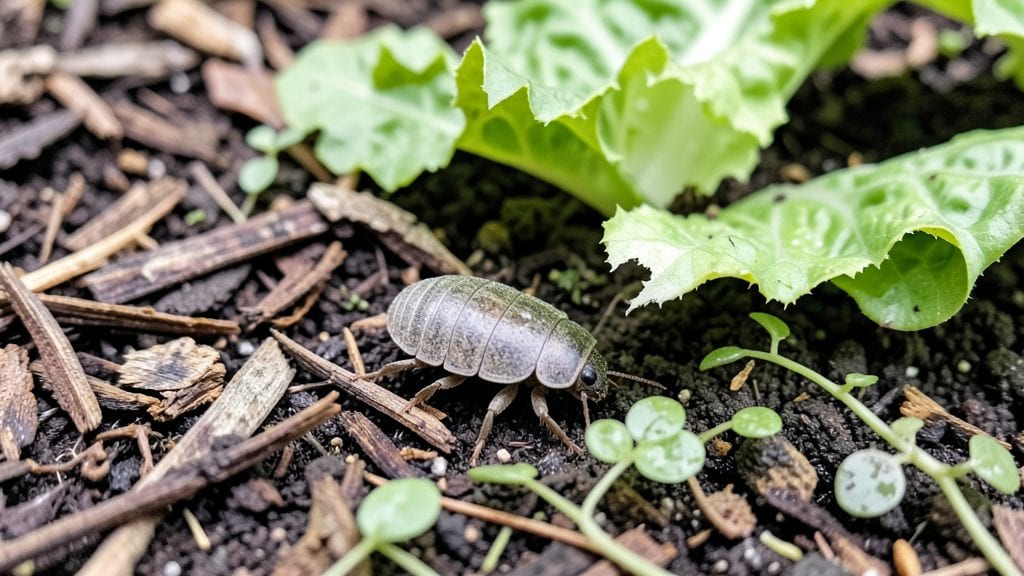
These little armored critters are actually nature’s cleanup crew, turning fallen leaves and decaying plant material into nutrient-rich compost. 🌱 While they might look like pests, their tunneling habits improve soil drainage and aeration, creating a healthier environment for roots.
I’ve seen gardens thrive with their help, especially in compost piles or under mulch where they’re most active.
That said, their numbers can become overwhelming if they’re clustering in large groups—usually a sign of excess moisture or organic buildup. In those cases, reducing mulch or encouraging natural predators like birds can help keep their populations balanced without harming your plants.
💡 In This Article
- How Pill Bugs (Roly Polies) Help Garden Soil
- When Pill Bugs Become a Garden Concern
How pill bugs (roly polies) help garden soil
Pill bugs, or roly polys, are detritivores—meaning they specialize in breaking down dead organic material like fallen leaves, twigs, and decaying plant matter. Their mandibles can shred 10-20% of their body weight in organic debris daily, turning it into nutrient-rich humus that enriches the soil.
This process mimics natural composting, accelerating nutrient cycling that plants can absorb through their roots.
Their tunneling behavior is equally beneficial. As they move through soil, they create microscopic channels that improve aeration and water infiltration. Studies show their activity can increase soil porosity by up to 30% in compacted areas, helping roots access oxygen and moisture more efficiently.
Unlike pests like grubs (which damage roots directly) or slugs (which consume living plants), pill bugs focus solely on decomposition, making them silent allies in garden health. 🌱
What makes them unique is their role in microbial ecosystems. Pill bugs consume fungi and bacteria along with decaying matter, helping regulate microbial populations. This balance prevents harmful pathogens from dominating while promoting beneficial microbes that boost plant immunity.
For example, gardens with active pill bug populations often show 20-30% higher microbial diversity compared to those without, leading to more resilient soil ecosystems.
Contrast this with actual garden pests: slugs leave visible slime trails and chew holes in leaves, while grubs tunnel through roots, causing wilting. Pill bugs, however, leave no damage—just finer, more fertile soil.
Their presence is a sign of a thriving, self-regulating garden where organic waste is efficiently recycled rather than piling up.
One often-overlooked benefit is their pest-deterrent effect. By consuming decaying plant material, they reduce conditions that attract harmful insects. For instance, damp leaf litter piles (a slug magnet) become less inviting when pill bugs break it down into loose, aerated compost.
This natural cleanup reduces the need for chemical interventions, aligning with organic gardening principles. 💫