Fertilization
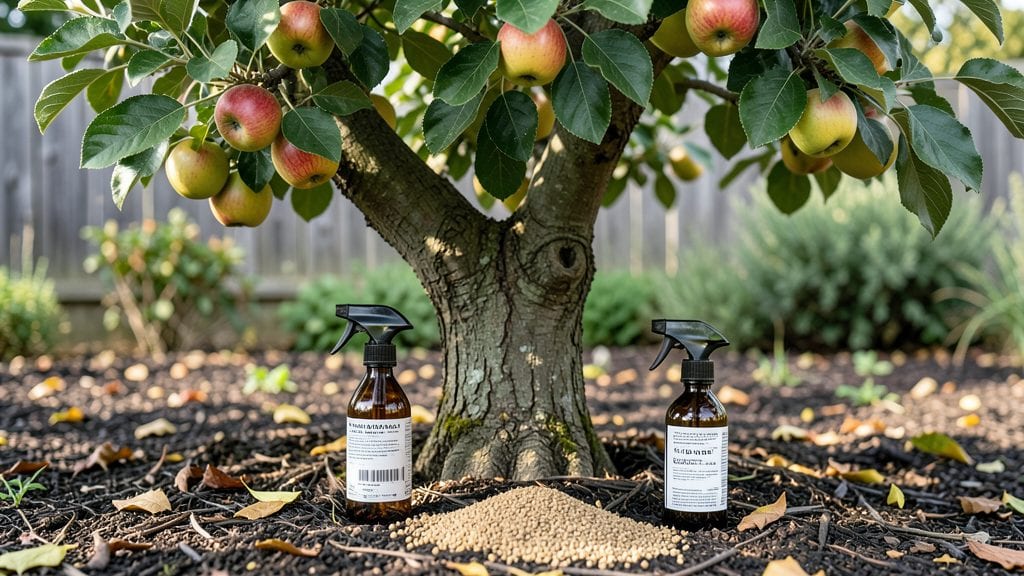
Apple cider vinegar in gardening strengthens plants, balances soil acidity, and fights fungal diseases when used as a diluted solution.
This kitchen staple works wonders because its acetic acid loosens compacted soil, making nutrients more accessible to roots. 🌱 For acid-loving plants like blueberries or azaleas, a 1:3 dilution (vinegar to water) applied monthly can mimic natural forest floor conditions.
The key is consistency—never use it undiluted, as it can damage plant tissues or disrupt beneficial soil microbes.
Beyond pH adjustment, the vinegar's antimicrobial properties create a hostile environment for powdery mildew and black spot fungi. I've seen it work miracles on roses when sprayed as a preventative in early morning hours—just avoid wet foliage at night to prevent fungal growth.
For best results, always test a small area first, especially with sensitive plants like tomatoes or peppers.
💡 In This Article
- How Apple Cider Vinegar Works in Soil and Plant Care
- Safe Ways to Use Apple Cider Vinegar for Gardens
How apple cider vinegar works in soil and plant care
The magic of apple cider vinegar in gardening starts with its main active ingredient: acetic acid (typically 4-6% concentration). When diluted, this weak acid performs three critical functions simultaneously. First, it acts as a chelator, breaking down mineral compounds like calcium carbonate into more plant-available forms.
This is particularly helpful in alkaline soils where nutrients like iron and manganese become locked up in insoluble forms. The acetic acid essentially "unlocks" these nutrients by lowering the soil's pH temporarily, allowing roots to absorb them more efficiently.
Here's where the chemistry gets interesting: apple cider vinegar's pH typically ranges between 2.5-3.5 when undiluted, but even a 1:3 dilution (vinegar to water) creates a solution acidic enough to shift soil pH by 0.5-1.0 points when applied regularly.
For example, if your soil tests at 7.5 (slightly alkaline), monthly applications could gradually lower it to 6.5-7.0—ideal for most vegetables. However, this same acidity creates an inhospitable environment for many fungal pathogens.
The acetic acid disrupts fungal cell membranes by altering their osmotic balance, effectively dehydrating spores and hyphae. This is why gardeners often see dramatic reductions in powdery mildew and rust within 7-10 days of treatment.
The effects vary dramatically between plant types. Acid-loving plants like blueberries (pH 4.5-5.0), azaleas (pH 5.0-6.0), and potatoes (pH 5.0-6.0) thrive with regular vinegar applications because their natural growing conditions mimic the acidic environment.
For these plants, a 1:4 dilution applied every 4-6 weeks can enhance flowering and fruiting. Conversely, neutral-loving plants like tomatoes (pH 6.0-6.8) or peppers (pH 6.0-7.0) require more caution—overuse can make soil too acidic, causing nutrient deficiencies like chlorosis (yellowing leaves) from iron or manganese toxicity.
The key is monitoring soil pH with a test kit and adjusting application frequency accordingly.
What most gardeners don't realize is how vinegar affects soil structure. The acetic acid helps break down organic matter more rapidly, creating a looser soil texture that improves aeration and drainage. This is particularly beneficial for heavy clay soils where roots struggle to penetrate.
The microbial community also responds—while some beneficial bacteria may be temporarily suppressed, fungal pathogens take a bigger hit. Over time, this shifts the soil microbiome toward more bacterial dominance, which generally improves nutrient cycling for plants.
The scent after application is unmistakable: a sharp, tangy aroma that fades within hours as the vinegar integrates into the soil matrix.
For visual learners, imagine this process like opening a tightly packed lunchbox: the vinegar acts as the key that loosens the compacted soil, allowing roots to spread more easily while releasing trapped nutrients.
The antimicrobial effect is like sprinkling a natural disinfectant over fungal colonies, creating an environment where beneficial microbes can thrive without competition. When used correctly, you'll notice plants developing deeper green foliage within 2-3 weeks, thanks to improved nutrient uptake and reduced stress from pathogens.
The most critical factor is timing—always apply diluted vinegar solutions in the early morning when foliage is dry. This prevents fungal spores from germinating in the moist conditions that follow nighttime dew.
The acetic acid also works best when soil temperatures are above 50°F, as microbial activity and chemical reactions proceed more efficiently. For container gardens, a 1:5 dilution applied directly to soil every 6 weeks can prevent root rot while maintaining optimal pH levels.