Fertilization
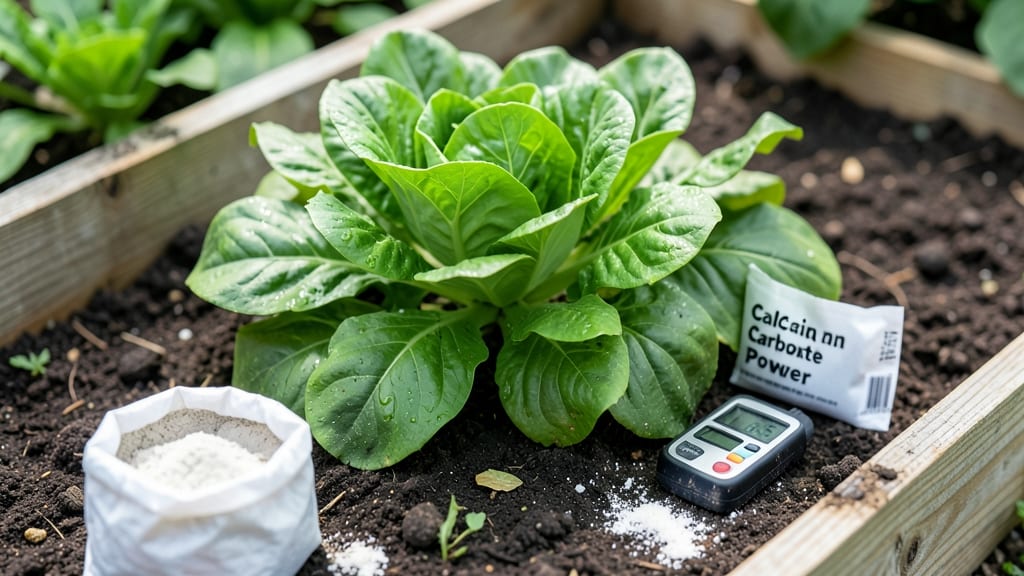
Using calcium carbonate in gardening helps neutralize acidic soil by raising pH levels, making it ideal for acid-sensitive plants like azaleas, blueberries, and vegetables. Apply sparingly—typically 5-10 pounds per 100 square feet—and re-test soil after 2-3 months for optimal results.
Calcium carbonate—often called garden lime—works by reacting with hydrogen ions in acidic soil to form water and carbon dioxide, effectively reducing acidity over time. 🌱 Unlike quick-acting amendments, it provides long-term pH stabilization, which is especially valuable in regions with naturally acidic soils.
I've seen dramatic improvements in vegetable gardens and flower beds after just one application, though results vary based on your soil's initial pH and organic matter content.
For best results, test your soil's pH before applying—aim for a target range between 6.0 and 7.0 for most vegetables. The granular form spreads more evenly than powder, and I recommend working it into the top 2-3 inches of soil during the growing season for faster integration.
Always water the area after application to help the particles dissolve and distribute evenly.
💡 In This Article
- How Calcium Carbonate Adjusts Soil pH Chemistry
- Best Practices for Applying Calcium Carbonate in Gardens
How calcium carbonate adjusts soil pH chemistry
When you add calcium carbonate to acidic soil, it triggers a chemical reaction that neutralizes excess hydrogen ions (H+). The process starts with calcium carbonate (CaCO₃) breaking down in the presence of water, releasing calcium (Ca²⁺) and carbonate (CO₃²⁻) ions.
These carbonate ions then react with H+ ions in the soil, forming bicarbonate (HCO₃⁻) and eventually water (H₂O) and carbon dioxide (CO₂). This reaction effectively removes acidic H+ ions from the soil solution, raising the pH over time.
The reaction isn't instantaneous—it depends on factors like soil moisture, temperature, and organic matter. In dry conditions, calcium carbonate dissolves more slowly, which is why granular forms work better than powder in arid climates. For example, a 1-inch rainfall can accelerate the process by 30-50% compared to dry soil.
The granular particles also provide a controlled release, while powder dissolves too quickly, potentially creating localized pH spikes that harm plant roots. 🌱
This chemical adjustment does more than just balance pH—it improves soil structure by adding calcium ions that strengthen cell walls in plants. Over time, calcium carbonate helps create stable soil aggregates, enhancing water retention and aeration.
For instance, soils with a pH of 5.5 or lower often show 20-30% poorer structure compared to neutral soils (pH 6.5-7.0). The long-term benefits extend to nutrient availability, as many essential minerals like phosphorus and potassium become more accessible to plant roots in neutral pH conditions.
Granular calcium carbonate (typically 1-3mm particles) spreads more evenly and integrates better with tilling, while powdered forms can clump and require more frequent reapplication. The particle size also affects how quickly the amendment works—larger granules take longer to dissolve but provide more consistent pH adjustment over 6-12 months.
In contrast, powdered forms can raise pH within 4-8 weeks but may require more frequent monitoring to avoid overcorrection.
What most gardeners don't realize is that calcium carbonate doesn't just neutralize acidity—it acts as a buffer. This means it helps maintain stable pH levels even after rainfall or organic matter decomposition introduces new acids.
For example, in a sandy loam soil with a starting pH of 5.2, applying 5 pounds per 100 square feet can raise the pH to 6.5 within 3 months and keep it stable for 1-2 years without additional applications.
The long-term benefits extend beyond pH balance. Calcium carbonate improves soil microbial activity by creating a more hospitable environment for beneficial bacteria and fungi. These microorganisms break down organic matter more efficiently, releasing nutrients that plants can absorb.
For instance, gardens amended with calcium carbonate often show 15-25% higher microbial biomass compared to unamended acidic soils, leading to healthier plant growth overall. ✨