How To
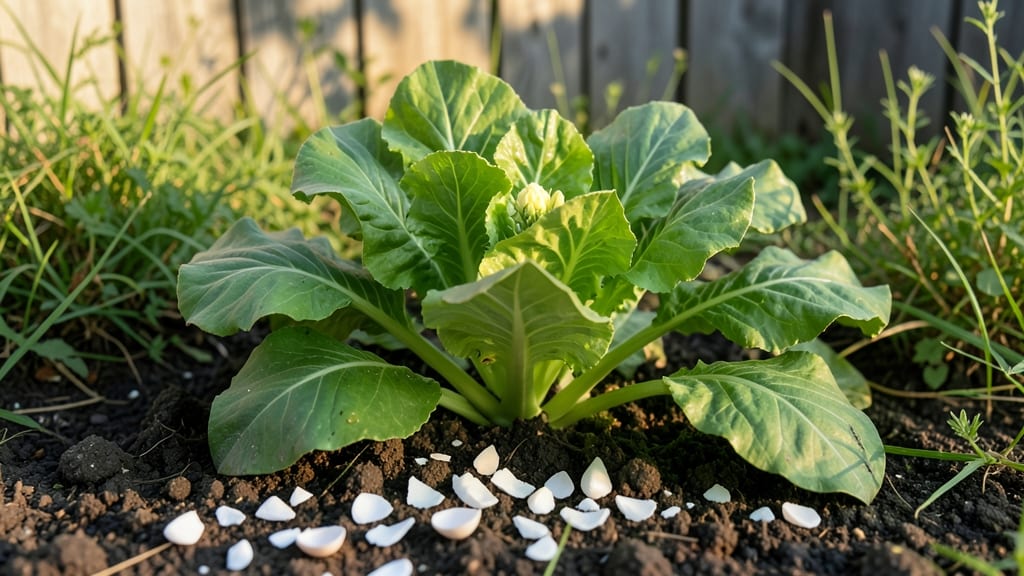
Crushing eggshells for garden use turns kitchen scraps into a free calcium boost that strengthens plant cell walls and deters pests—no fancy tools required. I’ve been doing this for years, and it’s the simplest way to recycle something that would otherwise go to waste.
The process takes less than 10 minutes and works for everything from tomatoes to peppers to leafy greens.
Start by saving clean eggshells in a container until you have enough to crush. Bake them at 200°F for 10-15 minutes to kill bacteria, then let them cool completely.
Use a rolling pin, mortar and pestle, or even a clean hammer to break them into tiny pieces—think fine sand, not coarse chunks. The smaller the pieces, the faster they’ll break down and release nutrients.
Sprinkle the crushed shells directly onto soil before planting or mix them into compost. They’ll dissolve over 6-12 months, gradually adding calcium without altering soil pH. My tomatoes and peppers thrive because the shells prevent blossom-end rot, and the texture also deters slugs naturally.
It’s a zero-cost upgrade that works in raised beds, containers, or in-ground gardens.
Fair warning: don’t overdo it—1-2 cups per plant per season is plenty. Too much can create a nitrogen imbalance, but that’s easy to avoid. The best part? You’re not just fertilizing—you’re closing the loop on kitchen waste in the most satisfying way possible. Ready to try it?
📚 In This Guide
- What you need
- Instructions
- Tips and common mistakes
- Wrapping up and next steps
What you need
- ● Clean, empty eggshells – Aim for 1–2 cups per batch (about 12–24 shells). Pro tip: Rinse and dry them thoroughly to avoid mold! 💡
- ● Plastic bag (ziplock or gallon size) – 1–2 bags (depending on volume). A sealed bag is key for crushing!
- ● Rolling pin or mallet – A medium-sized rolling pin (8–10 inches) works best, or a small rubber mallet for stubborn shells.
- ○ Tongs or kitchen gloves – Optional but helpful for handling sharp edges! 🧤
- ● Food processor or blender – For ultra-fine powder (great for compost or liquid fertilizers!).
- ● Baking sheet & oven (200°F for 10 mins) – To sterilize shells if you’re worried about bacteria. ✨
- ● Small sifter or strainer – To separate tiny shell fragments for direct soil mixing.
- ● Labelled jar or container – Store crushed shells in a dry, airtight spot for up to 6 months.
Step-by-Step instructions for using crushed eggshells in your garden
This method transforms kitchen scraps into a powerful soil amendment that boosts calcium and deters pests—no special tools required.
Collect and Clean Eggshells
Save clean eggshells from your kitchen—just rinse them thoroughly to remove any residual egg or food particles. I like to soak them in a 5% bleach solution (1 part bleach to 19 parts water) for 10 minutes, then rinse again under cool water. This ensures no bacteria remain that could harm your plants. Let them air-dry completely on a baking sheet or clean towel before crushing.
If you notice any cracked or dirty shells, discard them immediately. Only pristine, unbroken shells should be used—these will break down evenly and provide the most benefit. Store dried shells in a sealed container until ready to process.
Crush Eggshells into Small Pieces
Use a clean rolling pin or mortar and pestle to crush the dried eggshells into pea-sized fragments. Avoid grinding them into powder, as larger pieces break down more gradually in the soil. I find that crushing them by hand works best—just place a shell on a cutting board and press firmly with the rolling pin until it shatters.
For stubborn shells, wrap them in a clean kitchen towel and press with the rolling pin to prevent slipping. Once crushed, sift the pieces through a fine-mesh strainer to remove any dust or fine particles. Store the crushed shells in a labeled container until ready to use—this keeps them dry and ready for garden application.
Apply Crushed Eggshells to Soil
Sprinkle the crushed eggshells directly onto the soil surface around plants, focusing on calcium-loving crops like tomatoes, peppers, and brassicas. Aim for about 1 tablespoon per plant, lightly working them into the top ½ inch of soil with your fingers. This encourages root uptake of calcium while deterring slugs and other pests.
For seed-starting mixes, blend 1 tablespoon of crushed eggshells per gallon of potting soil. This prevents blossom-end rot in tomatoes and strengthens young seedlings. Water the soil lightly after applying to help the eggshells settle into place.
Monitor and Reapply as Needed
Crushed eggshells break down slowly over 3-6 months, so reapply every 2-3 months for continuous benefits. You’ll notice healthier foliage and stronger stems within 4-6 weeks of application. If you see signs of calcium deficiency—such as yellowing leaves or weak stems—add a fresh batch of crushed shells.
For pest control, scatter a thin layer of eggshells around the base of plants to create a natural barrier. Slugs and other soft-bodied pests avoid the sharp edges, giving your plants a protective shield. Combine this with regular soil amendments for the best results.
Tips & tricks for perfect eggshell soil amendment
Transforming kitchen scraps into garden gold is easier than you think—these insider tips ensure your crushed eggshells deliver maximum benefits without any hassle.
Sanitization is Non-Negotiable: That 10-minute bleach soak in Step 1 isn't just recommended—it's essential. I've learned the hard way that even tiny traces of bacteria can harm seedlings. For extra peace of mind, you can extend the soak to 15 minutes, but never skip this critical step. The bleach solution should be fresh each time you clean shells, as old solution loses effectiveness.
Crushing Technique Matters: When aiming for pea-sized fragments in Step 2, think of them as tiny calcium time capsules. Using a rolling pin gives you the most control—wrap stubborn shells in a clean towel to prevent slipping, and press firmly but steadily. For those with limited hand strength, a heavy book placed on top of the rolling pin can provide extra pressure without requiring brute force.
Storage Strategy for Long-Term Use: Store your crushed eggshells in a labeled, airtight container with a silica gel packet to absorb any moisture. I keep mine in a glass jar with a tight-sealing lid, positioned in my pantry near my gardening supplies. This prevents moisture absorption that could lead to clumping, ensuring they're always ready to use when planting season arrives.
Application Timing for Maximum Impact: The 4-6 week window mentioned in Step 4 is your best opportunity to see dramatic results. For container gardens, you can actually apply crushed shells at planting time and again when you notice new growth. This continuous calcium supply helps prevent common deficiencies that often appear later in the growing season.
Pro Tips for Crush Egg Shells For Garden
- Transforming kitchen scraps into garden gold is easier than you think—these insider tips ensure your crushed eggshell...
- Sanitization is Non-Negotiable: That 10-minute bleach soak in Step 1 isn't just recommended—it's essential. I've lear...
- Crushing Technique Matters: When aiming for pea-sized fragments in Step 2, think of them as tiny calcium time capsule...
Frequently asked questions
Got questions about turning eggshells into garden gold? You’re not alone! Here are answers to the most common queries to help you crush shells like a pro—without the guesswork.
Can I use crushed eggshells right away, or do they need to "age" first?
Freshly crushed eggshells are safe to use immediately, but they’ll break down faster if you bake them first (200°F for 10–15 minutes). This sterilizes them and speeds up decomposition. For compost piles, toss them in raw—they’ll add calcium over time as they decompose.
How long does it take for crushed eggshells to work in the soil?
Crushed eggshells release calcium and trace minerals gradually. In 4–6 weeks, you’ll see improved soil structure, but their full benefits (like pest deterrence) may take 2–3 months to manifest. Mix them into the top 2–3 inches of soil for the fastest results.
What should I do if my eggshells smell bad after crushing?
A slight odor is normal due to residual egg whites, but a strong smell means bacteria or mold is growing. Fix it by:
- Rinsing shells thoroughly before crushing.
- Baking them at 200°F for 15+ minutes to kill bacteria.
- Storing crushed shells in a dry, ventilated container (like a mesh bag) until use.
Are there alternatives if I don’t have eggshells for my garden?
Boost soil calcium with:
- Wood ash (from untreated wood—sprinkle lightly, never over acidic plants like blueberries).
- Crushed oyster shells (higher in calcium, lasts longer).
- Cottonseed meal (adds nitrogen + calcium).
- Composted manure (balances nutrients over time).
Will crushed eggshells attract pests like rodents or insects?
No—crushed eggshells deter pests! The sharp edges irritate soft-bodied insects (like slugs and snails), and the calcium content makes soil less appealing to burrowing rodents. Just avoid large chunks (they can harbor moisture and pests). For extra protection, sprinkle them around plants or bury them lightly.
Wrapping up and next steps
Crushing eggshells for your garden is a simple, eco-friendly way to give your plants a powerful nutrient boost while reducing waste! 🌱 With just a few tools and a little time, you can transform leftover shells into a nutrient-rich soil amendment that supports healthier roots and stronger plants.
Whether you’re a seasoned gardener or just starting out, this method proves that small steps can make a big difference.
Now that you’re ready to put this trick into action, grab those shells and start crushing! For even more gardening tips, check out how to repurpose other kitchen scraps—like coffee grounds or banana peels—to keep your garden thriving year-round. Happy gardening! 🌿