
Vegetables
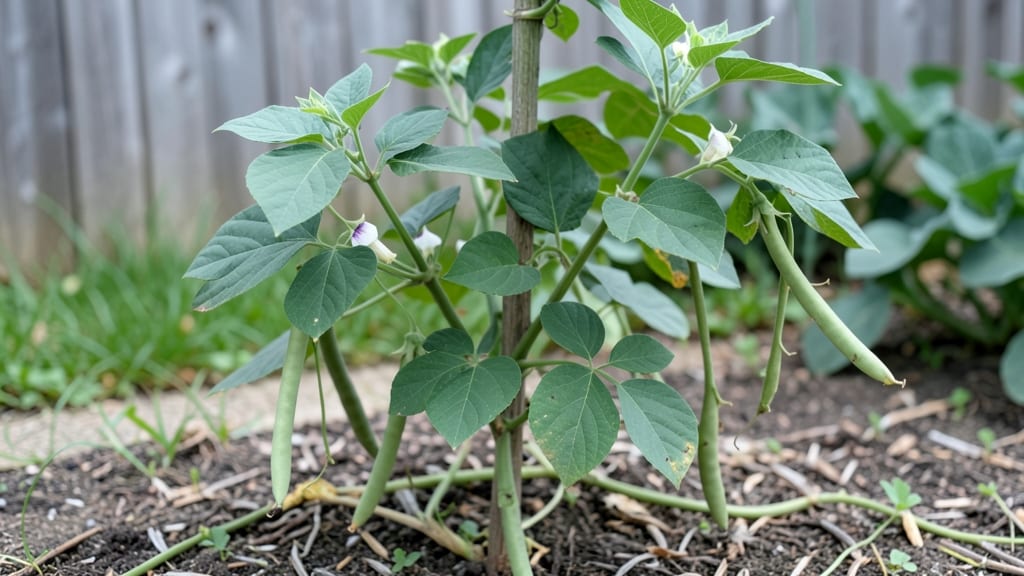
Garden beans and green beans aren't the same: garden beans include dried varieties like kidney or pinto beans, while green beans are the young, unripe pods of Phaseolus vulgaris harvested before seeds form. Both belong to the same plant family but serve different culinary roles.
Garden beans and green beans share the same botanical roots but differ dramatically in how they're harvested and used. 🌱 The term "garden beans" often refers to mature beans that are dried for storage, such as black beans or pinto beans, while "green beans" specifically describe the tender, underdeveloped pods picked fresh for immediate cooking.
This distinction matters in recipes—green beans shine in salads or stir-fries, while dried garden beans add heartiness to soups and stews.
What's fascinating is how their growing stages create such different textures and flavors. Green beans are harvested when the pods are crisp and tender, typically within 60 days of planting, while garden beans require full maturity to develop their characteristic firmness and rich taste.
This timing difference explains why they're often confused—they're essentially two stages of the same plant's life cycle, just with very different culinary purposes.
💡 In This Article
- Botanical and Harvest Differences Between Garden and Green Beans
- Culinary Uses and Growing Tips for Green vs. Garden Beans
Botanical and harvest differences between garden and green beans
The confusion between garden beans and green beans stems from their shared botanical lineage. Both belong to the Phaseolus vulgaris species, which includes over 100 varieties.
The key difference lies in their harvest stage: green beans are the immature pods collected when seeds are still developing, while garden beans refer to the mature seeds or pods allowed to fully develop and dry. This distinction is critical because it affects everything from flavor to texture.
When growing these beans, you'll notice the visual transformation as they mature. Green beans start as bright green, slender pods measuring about 3-5 inches long, with tender walls just 1-2 millimeters thick.
If left on the vine, these pods thicken and the seeds inside grow larger, eventually turning brown and hard as they dry—this is when they become garden beans.
The drying process reduces moisture content from about 80% in fresh green beans to 10-15% in dried garden beans, creating a shelf-stable product.
The harvest window for green beans is narrow—typically 5-7 days between flowering and optimal pod development. During this time, the pods contain 2-4 seeds that are still soft and starchy.
In contrast, garden beans require 80-120 days to reach maturity, during which the plant's energy shifts from pod development to seed formation. This extended growth period allows the seeds to develop complex starches and sugars that give dried beans their characteristic nutty flavor and firm texture.
Here's what's actually happening at the cellular level: Green beans are harvested when their cell walls are still thin and hydrated, giving them that crisp snap. The pods contain high levels of chlorophyll (which gives them their vibrant green color) and water-soluble proteins that break down quickly when cooked.
Meanwhile, garden beans develop thick seed coats through a process called desiccation, where the plant actively transports water away from the seeds to create a hard, protective barrier for storage.
Consider these growth stages visually: Early green beans appear as delicate vines with small leaves and slender pods hanging downward. As they mature into garden beans, the plants develop thicker stems, larger leaves, and heavier pods that often turn yellow or brown.
The seeds inside go from pale green to their final color (white, black, or speckled), a process that takes 4-6 weeks beyond the green bean stage. This transformation explains why garden beans are often called "dried beans"—they're essentially the mature seeds that have been preserved through natural drying.
What most people don't realize is how this maturity affects nutritional content. Green beans are rich in vitamin K and folate, with about 31 calories per 100 grams and high water content.
In contrast, dried garden beans pack more protein (21g per 100g) and fiber, along with resistant starches that support gut health. This nutritional shift occurs because the plant redirects energy from growth to seed development, concentrating nutrients in the hardening seeds.
The drying process for garden beans is an ancient preservation technique that works because it removes water—bacteria and fungi need moisture to grow. Traditional methods involve spreading beans on trays in the sun until they reach 10-15% moisture content, a process that can take 1-2 weeks depending on climate.
Modern methods use mechanical dryers at 140-160°F to speed up the process, but the principle remains the same: removing water to prevent spoilage while preserving the seeds' nutritional value.