
Landscaping
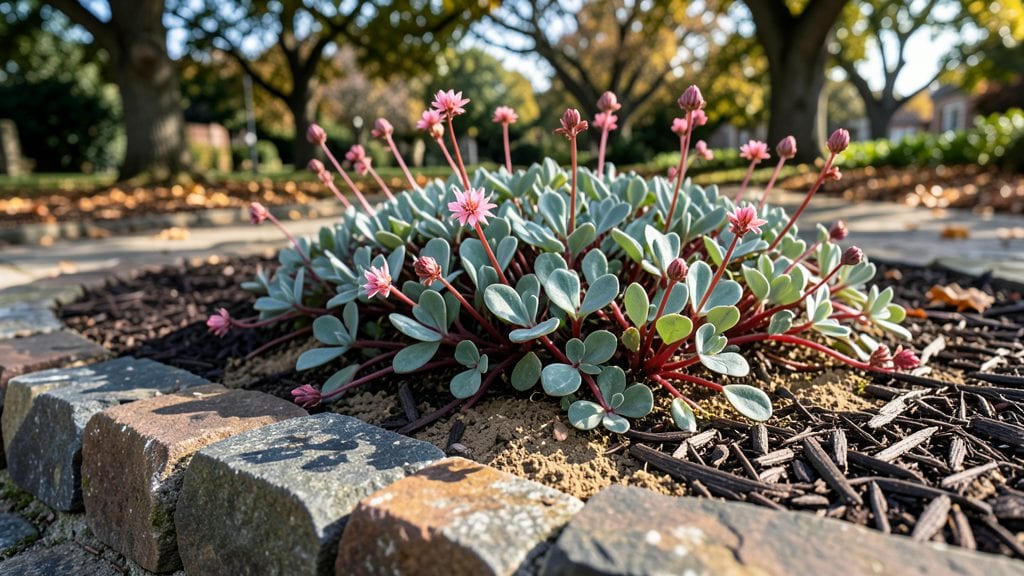
Cobble garden edging transforms garden borders into durable, visually striking pathways and flower bed frames that resist erosion and suppress weeds while adding timeless charm. Its natural stone texture complements organic landscapes beautifully.
Natural stone edging like cobble isn't just about looks—its weight anchors it firmly in place, preventing soil erosion and shifting over time. 🌿 Unlike lighter materials, cobble stays put even after heavy rains or seasonal ground shifts, making it ideal for high-traffic areas.
The irregular shapes also create a rustic, organic feel that blends seamlessly with natural landscapes, while the rough texture naturally deters weeds from creeping into your garden beds.
What sets cobble apart is its dual functionality: it serves as both a decorative border and a practical solution for maintaining clean garden lines. Many gardeners choose it over brick or metal because it requires minimal upkeep—no sealing or painting—while still delivering a polished, professional appearance.
For pathways, cobble's uneven surfaces provide subtle traction, reducing slip hazards while adding texture underfoot.
💡 In This Article
- How Cobble Edging Enhances Garden Structure and Longevity
- Installing Cobble Edging: Step-by-Step Guide for Beginners
How cobble edging enhances garden structure and longevity
The weight of cobble stones—typically ranging from 2 to 8 pounds per piece—creates a natural anchor that resists shifting far better than lighter materials like plastic or lightweight concrete. This mechanical stability prevents soil erosion by holding the ground in place, especially during heavy rainfall or seasonal ground movement.
Unlike brick or metal edging, which can crack or corrode over time, cobble's irregular shapes interlock when properly installed, distributing weight evenly and reducing the risk of displacement.
Natural drainage is another key advantage. Cobble's porous surface allows water to seep through while preventing pooling, which is critical for preventing soil erosion and root rot in nearby plants.
The gaps between stones also create an air gap that discourages weed growth by blocking sunlight from reaching weed seeds. 🌱 This contrasts sharply with solid materials like brick, which can trap moisture and promote weed proliferation in the cracks.
For pathways, cobble's uneven texture provides subtle traction, reducing slip hazards while adding visual interest underfoot.
The rough texture of cobble stones serves a dual purpose: it enhances grip for safety and creates a natural barrier against weeds. The irregular surfaces disrupt weed seed germination by preventing soil compaction in one continuous layer.
This organic approach aligns perfectly with natural landscapes, unlike the rigid lines created by metal or plastic edging. The stones' varying sizes—typically 2 to 4 inches in diameter—also contribute to a rustic aesthetic that complements cottage gardens and woodland settings.
Compared to other materials, cobble offers superior weather resistance. While brick may crack under freeze-thaw cycles and metal can corrode, cobble's natural stone composition withstands temperature fluctuations without degradation. The material's inherent durability means it requires no sealing or maintenance, unlike wood or composite edging that may need periodic treatments.
This low-maintenance quality makes cobble ideal for both formal and informal garden designs.
For pathways, cobble's flexibility allows for subtle adjustments over time. Unlike rigid materials that can crack under ground movement, cobble stones can shift slightly to accommodate seasonal soil expansion and contraction. This adaptability extends the edging's lifespan while maintaining its structural integrity.
The natural variation in stone color and texture also creates visual interest that evolves with the garden's growth, offering a dynamic aesthetic that artificial materials cannot match.
What most gardeners don't realize is how cobble's installation method enhances its longevity. When properly laid with a 1-inch sand base and spaced 1/4 to 1/2 inch apart, the stones create a self-draining system that prevents water accumulation.
This technique contrasts with mortared brick installations, which can trap moisture and lead to deterioration over time. The result is a border that remains both functional and beautiful for decades with minimal upkeep.