
Vegetables
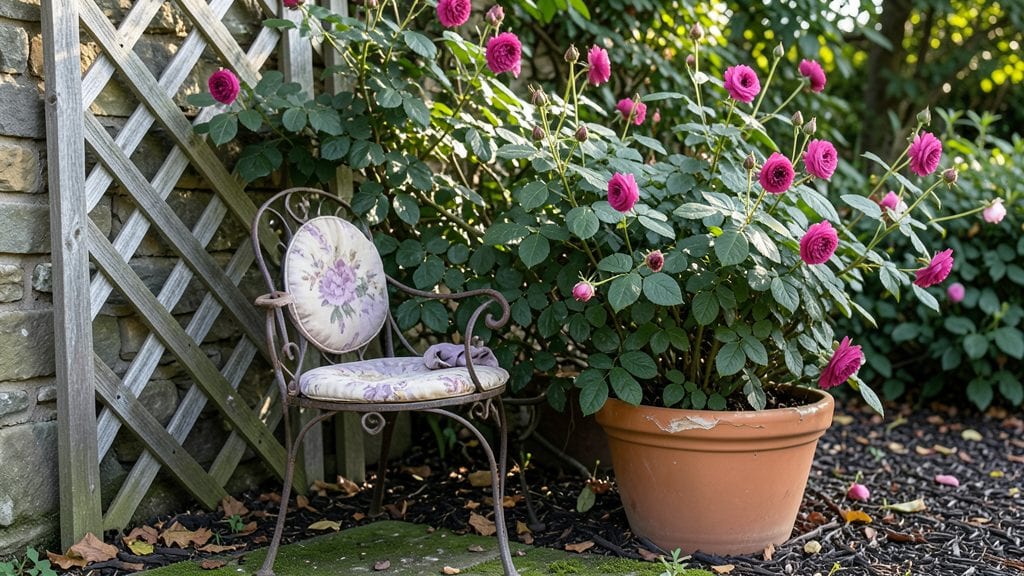
My first cottage garden—filled with cottage gardens images that now grace my phone’s wallpaper—began with a single overgrown peony and a handful of forgotten seeds. 🌸 These whimsical flower beds aren’t about perfection; they’re about layers of color, textures that beg... to be touched, and plants that spill over edges like a carefree conversation.
The secret isn’t fancy: it’s mixing old roses with wildflowers, letting vines climb anything in reach, and accepting that some plants will outgrow their welcome.
You don’t need a sprawling backyard—just a sunny spot, a few basic tools, and a willingness to let things grow a little wild. Think three-foot-wide borders filled with perennials that return year after year, interspersed with annuals for pops of color.
My go-to combo? Lavender for structure, cosmos for height, and sweet alyssum to soften the edges. The rustic charm comes from mismatched containers, weathered trellises, and paths that wander instead of line up perfectly.
What you’ll end up with is a garden that feels alive—one that changes with the seasons, hums with bees, and fills your porch with fragrance. The blooms don’t all appear at once; instead, they stagger from early spring tulips through late-summer asters, creating a show that never fades.
Even better? This style forgives mistakes. A few weeds? They’re just extra texture. A plant that flops? It’s part of the charm.
Whether you’re working with a tiny urban patch or a half-acre, the principles stay the same: layered heights, mixed textures, and plants that love your climate.
The images you’ll see later prove it—cottage gardens work in cities, suburbs, and countryside alike. Let’s bring that magic to your space, one seed at a time.
📚 In This Guide
- What you need
- Instructions
- Tips and common mistakes
- Wrapping up and next steps
What you need
- ● Seeds or young plants: Choose a mix of perennials (like lavender, peonies, or delphiniums) and annuals (such as marigolds, cosmos, or nasturtiums) for year-round color. Aim for at least 12-20 plants per square foot for a lush look.
- ● Soil: Well-draining, nutrient-rich garden soil or a mix of 60% topsoil, 30% compost, and 10% perlite—about 2-3 cubic yards for a 10’x10’ bed.
- ● Mulch: Organic mulch (straw, wood chips, or shredded bark) to retain moisture and suppress weeds. 2-3 inches spread evenly over the bed.
- ● Garden trowel and hand fork for planting and soil prep.
- ● Pruning shears (bypass type for clean cuts) and long-handled loppers for shaping plants.
- ● Garden hose with spray nozzle or a watering can (5-gallon capacity recommended).
- ● Wheelbarrow (for hauling soil, mulch, or tools).
- ● Knee pads or a small stool (because gardening is not a young person’s game!).
- ● Decorative elements: Vintage garden stakes, terracotta pots, or wrought-iron trellises for vertical interest.
- ● Pathway materials: Stepping stones, gravel, or flagstone to define walkways.
- ● Birdhouses or feeders to attract pollinators and add life to your garden.
- ● Scented plants: Roses, jasmine, or mint for a fragrant sensory experience.
How to design whimsical cottage garden flower beds
Let’s create a charming, overflowing garden that feels like stepping into a storybook.
🌱 Step 1: Plan Your Layout with a Natural, Meandering Design
Skip the rigid rows—cottage gardens thrive on organic shapes. Sketch your space on paper, then draw winding paths that invite exploration. I like to use a mix of 3-5 foot wide beds separated by gravel or stepping stones. This creates intimate pockets where flowers can spill over edges naturally.
Look for existing focal points—old trees, trellises, or garden ornaments—and build around them. The goal is to make each bed feel like a separate vignette, even if they’re close together. For example, place a small bench or birdbath in the center of one bed to draw the eye.
☀️ Step 2: Layer Plants by Height and Bloom Time
Tall plants like delphiniums or hollyhocks go in the back, medium-height roses or peonies in the middle, and low-spreading plants like ajuga or creeping thyme in front. This ensures every season has something blooming—start with early spring bulbs like daffodils, then layer in summer perennials, and finish with late-season asters or chrysanthemums.
I always include at least three types of foliage textures—feathery, rounded, and broad-leaved—to add visual interest even when flowers aren’t in bloom. Mix in a few unexpected elements, like ornamental grasses or ferns, to keep things lively.
💧 Step 3: Choose a Diverse Mix of Annuals and Perennials
Perennials like lavender, coneflowers, and black-eyed Susans provide structure, while annuals like sweet alyssum or nasturtiums fill gaps and add pops of color. I aim for a ratio of 70% perennials to 30% annuals—this ensures your garden stays vibrant year after year without needing a full replant every spring.
Don’t forget to include a few "thugs"—hardy, self-seeding plants like poppies or foxgloves—that spread effortlessly and add to the garden’s wild charm. These plants also attract pollinators, which keeps your garden buzzing with life.
✂️ Step 4: Add Whimsical Touches with Accessories
This is where cottage gardens get their magic. Scatter vintage garden tools, old teacups, or weathered wooden signs among the flowers. I like to bury a few treasures—like a rusted wheelbarrow or a stack of bricks—partially hidden in the foliage. Even simple things, like a patch of wildflowers in an old tin pan, add character.
Lighting is key for evening charm. Solar-powered fairy lights draped along fences or tucked into branches create a cozy glow. For a more dramatic effect, place lanterns or candles along pathways—just make sure they’re secure and won’t pose a fire risk.
🪴 Step 5: Maintain with a Light Touch
Cottage gardens are low-maintenance by design, but they do need occasional TLC. Deadhead spent blooms regularly to encourage more flowers, but leave some seed heads for winter interest. I also mulch lightly in early spring to suppress weeds without smothering the wild, natural look.
Water deeply but infrequently—aim for 1 inch per week, letting the soil dry slightly between waterings. This encourages deep root growth and keeps plants resilient. A soaker hose hidden among the flowers makes watering easy without disturbing the beds.
Tips & tricks for whimsical cottage garden flower beds
Creating a garden that feels like a storybook takes a few thoughtful tricks—here's how to bring that cottage charm to life without the guesswork.
The Layout Secret: When sketching your 3-5 foot wide beds, use a pencil with a slightly dull tip to create organic, wavy lines instead of straight edges. This mimics nature's randomness and makes your garden feel more inviting. I also recommend testing your layout by walking through it—if you can't comfortably reach the center of each bed, it's too wide.
Plant Layering Pro Tip: In Step 2, when arranging your tall delphiniums or hollyhocks, leave about 18 inches of space between them and the back edge of the bed. This creates room for their stems to lean naturally without overcrowding. For the 70% perennials to 30% annuals ratio, I suggest grouping perennials in odd numbers (3, 5, or 7 plants) to create natural clusters that feel intentional rather than planted in straight lines.
Whimsical Accessory Placement: For Step 4's decorative elements, I've found that burying about 1/3 of your treasures (like the rusted wheelbarrow) creates the most magical effect. This partial visibility makes them feel discovered rather than placed. When positioning solar lights, space them about 3 feet apart along fences or branches—they'll create a continuous glow without looking crowded.
Maintenance Shortcut: In Step 5, I've developed a simple routine for deadheading: I use a pair of small, sharp scissors to snip just above a set of healthy leaves when removing spent blooms. This encourages new growth while keeping the plant looking tidy. For watering, I set a rain gauge in the garden to track exactly 1 inch of water—this helps me avoid both underwatering and overwatering, which can both stress plants.
Pro Tips for Cottage Gardens Images
- Creating a garden that feels like a storybook takes a few thoughtful tricks—here's how to bring that cottage charm to life without the guesswork.
- The Layout Secret: When sketching your 3-5 foot wide beds, use a pencil with a slightly dull tip to create organic, wavy lines instead of straight edges.
- Plant Layering Pro Tip: In Step 2, when arranging your tall delphiniums or hollyhocks, leave about 18 inches of space between them and the back edge of the bed.
Frequently asked questions
Got questions about bringing cottage garden charm to life? Here are some answers to help you plan your dream garden!
What are the easiest flowers to grow in a cottage garden?
Start with hardy, low-maintenance blooms like cosmos, black-eyed Susans, marigolds, and lavender. These thrive in mixed light, resist pests, and self-seed for continuous color. For veggie-friendly cottage gardens, add edible flowers like nasturtiums or pansies—they’re both pretty and practical!
How long does it take for a cottage garden to look full and lush?
With proper care, you’ll see noticeable progress in 6–8 weeks. Fast-growing annuals (like sunflowers or zinnia) fill gaps quickly, while perennials (e.g., peony or delphinium) may take 1–2 seasons to reach their peak. Pro tip: Use mulch to retain moisture and suppress weeds, speeding up growth!
Can I create a cottage garden in containers or small spaces?
Opt for window boxes, hanging baskets, or tiered planters. Mix trailing plants (like sweet alyssum) with upright varieties (e.g., dwarf hollyhocks) for vertical interest. Even a balcony can host a mini cottage garden—just ensure containers have drainage and use lightweight soil.
How do I keep pests away without harsh chemicals?
Cottage gardens naturally deter pests with their diversity! Plant marigolds (repel nematodes), basil (keeps flies away), or garlic chives (deters aphids). Encourage ladybugs and lizards by adding a small water source. For stubborn issues, try neem oil or soapy water sprays—gentle but effective!
What’s the best time of year to plant a cottage garden?
Start in early spring (after the last frost) for perennials and cool-season annuals. For warm-weather blooms (like petunias or geraniums), wait until late spring when soil is warm. Bonus: Succession plant every 4–6 weeks to ensure nonstop color—think of it as a blooming buffet!
Wrapping up and next steps
Cottage gardens are more than just picturesque—they’re a celebration of nature’s charm in every season. From vibrant flower beds to lush vegetable patches, these whimsical spaces bring joy, color, and life to any backyard.
Whether you’re inspired to sketch your dream garden or start small with a single flower bed, the key is to let your creativity bloom—one petal, seed, or rustic trellis at a time!
Ready to turn your vision into reality? Start by browsing our curated cottage gardens images for inspiration, then grab your gardening tools and dive in! 🌸🌿