Vegetables
The gardens in Barcelona showcase a stunning fusion of Mediterranean plants and urban landscaping, with standout spots like Park Güell’s whimsical mosaic plant beds and Jardins de Joan Brossa’s native shrubs. These green spaces often feature hardy species such as rosemary and olive trees, perfectly adapted to the city’s warm, dry climate.
The city’s gardens aren’t just beautiful—they’re survivalists.
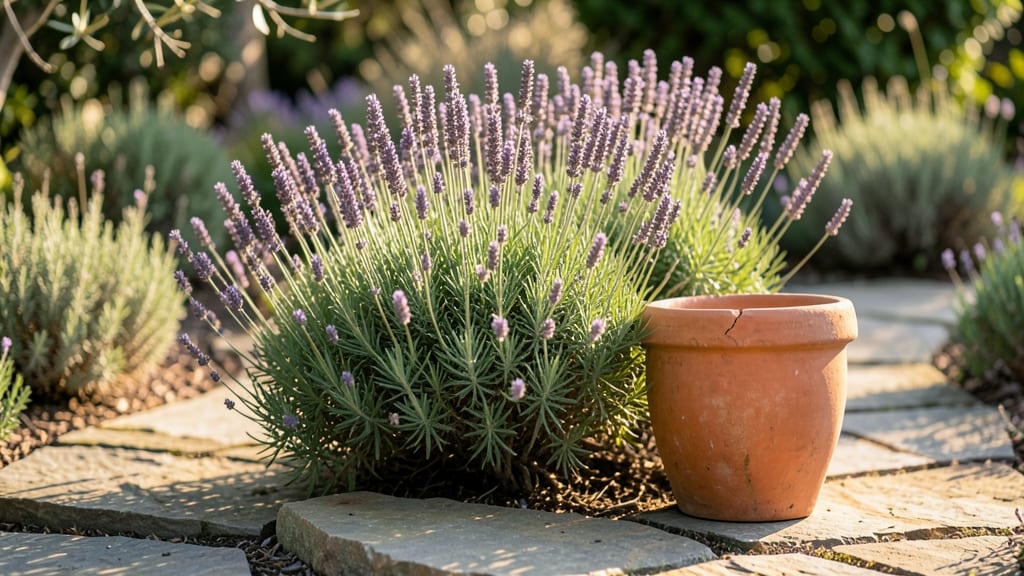
Barcelona’s Mediterranean climate demands plants that can handle long, hot summers with minimal water, which is why you’ll see drought-resistant species like lavender and thyme thriving alongside iconic spots. 🌿 The clever use of native flora also preserves the region’s botanical heritage while keeping maintenance low.
Whether you’re admiring Park Güell’s vibrant mosaics or wandering through the tranquil Jardins de Joan Brossa, you’re seeing a masterclass in climate-smart gardening.
What’s fascinating is how these gardens balance aesthetics with practicality. For example, Park Güell’s terraced plant beds use a mix of succulents and herbs to prevent erosion while adding visual interest. Meanwhile, Jardins de Joan Brossa focuses on low-water shrubs that require almost no irrigation once established.
This approach makes Barcelona’s gardens not just pretty, but also sustainable models for urban green spaces worldwide.
💡 In This Article
- Barcelona’s Climate-Driven Plant Selection
- Best Barcelona Gardens for Plant Enthusiasts
Barcelona’s climate-driven plant selection
Barcelona’s Mediterranean climate—marked by hot, dry summers and mild, wet winters—dictates a plant selection strategy focused on survival and efficiency. The region’s average annual rainfall sits around 600 millimeters, with most precipitation occurring between October and March.
This scarcity forces gardeners to prioritize species with deep root systems and waxy leaves that minimize water loss through transpiration. 🌵 The result?
Gardens like Park del Laberint d’Horta feature Opuntia cacti, whose thick, spiky pads store water like natural reservoirs, while Jardí Botànic’s citrus groves thrive thanks to their ability to tolerate brief droughts between waterings.
The soil composition plays a crucial role too. Barcelona’s urban gardens often sit atop calcareous soil—alkaline and well-draining—which suits plants like rosemary and thyme that prefer these conditions. These herbs not only survive but flourish, their aromatic oils acting as natural pest repellents.
Meanwhile, the city’s iconic olive trees (Olea europaea) have evolved to extract moisture from deep underground, their gnarled roots reaching 10-15 feet below the surface.
What’s fascinating is how these plants also time their growth cycles: most bloom in spring when temperatures hover around 15-20°C, ensuring flowers appear before the summer drought sets in.
Seasonal adaptations are equally clever. Barcelona’s gardens often incorporate evergreen shrubs like Pistacia lentiscus (mastic tree) to provide year-round greenery, while annuals like Calendula burst into color during the cooler months. The key is selecting plants that align with the city’s three-month dry season (June-August), when irrigation is restricted.
For example, the Jardins de Joan Brossa uses lavender, whose silvery foliage reflects sunlight and reduces heat absorption, cutting water needs by up to 40% compared to traditional flowering plants.
One standout example is the Park del Laberint d’Horta, where agave and aloe vera dominate the hedges. These succulents store water in their leaves, allowing them to survive months without rainfall—a perfect match for Barcelona’s climate.
The garden’s designers also leverage mulching techniques, covering soil with gravel or wood chips to retain moisture and suppress weeds. This low-maintenance approach mirrors the xero-gardening principles used in drought-prone regions worldwide, proving Barcelona’s green spaces are both beautiful and biologically sound. 💧
Citrus groves in Jardí Botànic offer another lesson in climate adaptation. Oranges, lemons, and mandarins thrive here because their thick, leathery leaves reduce water evaporation, while their shallow root systems quickly absorb rainfall.
The groves are strategically placed near water sources to take advantage of natural irrigation, yet the trees remain drought-tolerant once established.
What’s often overlooked is how these citrus trees also flower and fruit in cycles that align with Barcelona’s microclimates—some varieties bloom in winter when humidity is higher, while others wait for spring’s warmer air.
For visitors, understanding these adaptations makes garden exploration richer. Spotting a rosemary bush in full bloom during summer isn’t just pretty—it’s a sign the plant is efficiently using the limited water available.
Similarly, the olive trees lining streets aren’t just ornamental; their presence reflects centuries of agricultural wisdom tailored to the land. By choosing plants that mirror Barcelona’s climate, these gardens become living laboratories of sustainability, where every leaf and root tells a story of resilience. 🌿