How To
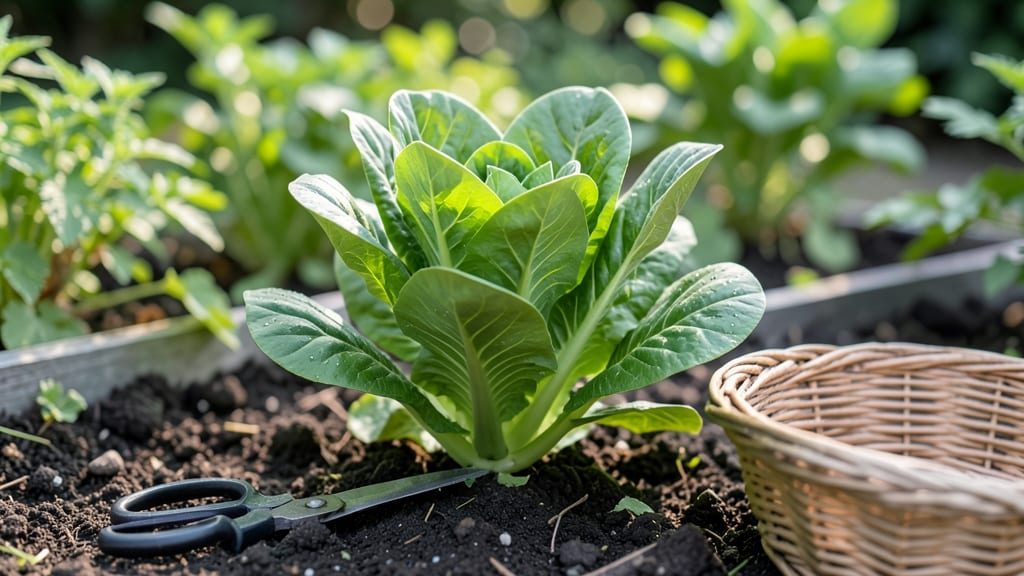
To harvest romaine lettuce from your garden at its peak—when those crisp, sweet leaves are ready to eat—focus on timing and technique before you even reach for the shears.
Romaine lettuce is one of the fastest-growing greens in your garden 🥬, but timing your harvest wrong can turn crisp, sweet leaves into bitter disappointment.
If you wait too long, the flavor fades and the texture toughens, leaving you with something that barely resembles the fresh, crunchy salad greens you planted.
You’ll want to pick romaine when the outer leaves are fully formed, typically 45 to 60 days after planting, and the heads are upright and tightly packed. The key is to harvest in the morning after the dew has dried, when the leaves are at their crispest and most flavorful.
In this guide, I’ll walk you through the exact steps to harvest romaine lettuce—whether you’re cutting individual leaves or taking the whole head—plus how to store it so it stays fresh for days.
You’ll also learn how to encourage regrowth for a second harvest, so you can enjoy homegrown romaine all season long.


Perfect romaine lettuce harvest timing: when and how to pick for maximum sweetness
Timing your romaine lettuce harvest is everything—pick too early, and you're wasting potential; too late, and you'll get bitter, tough leaves. The sweet spot is when plants reach 45-60 days after sowing, but visual cues matter more than days alone.
I've learned that leaf firmness and upright growth are the best indicators of peak flavor, not just calendar dates.
Romaine thrives in cooler weather, so aim to harvest when daytime temperatures stay below 75°F. Heat stress triggers bolting, turning your crisp greens into bitter stalks. My best harvests always come in early spring or fall when mornings are cool and evenings stay mild.
Even 10°F drops at night can improve sweetness by slowing growth slightly.
🚨 PRO TIP: Never harvest romaine after a light frost—it actually enhances flavor by converting starches to sugars. Just avoid heavy freezes that damage the plant.
| Harvest Indicator | What to Look For | Action to Take |
|---|---|---|
| Days to Maturity | 30-60 days (varies by variety) | Check leaves first—days are just a guideline |
| Plant Height | 8-12 inches tall | Ideal for full heads; harvest outer leaves earlier |
| Leaf Firmness | Crisp with slight resistance when squeezed | Soft leaves mean it's past prime; tough leaves need more time |
| Head Shape | Tightly packed, upright growth | Loose heads will bolt soon—harvest now or risk bitterness |
| Color Consistency | Deep green with no yellowing | Yellow tips mean stress—harvest immediately |
| Stem Test | Snaps cleanly when pulled gently | Mushy stems = overripe; woody stems = underripe |
| Best Time of Day | Early morning (4-6 AM) | Cooler temps preserve crispness and sweetness |
| Weather Conditions | No rain for 24 hours | Wet leaves bruise easily during transport |
For maximum sweetness, always harvest in the early morning when sugars are concentrated. I use a sharp chef's knife to cut the entire head about 1 inch above the base, leaving the root system intact for regrowth.
If you prefer leaf-by-leaf harvesting, snip the outer leaves first—this method extends your harvest window by 2-3 weeks per plant.
🌱 REGROWTH SECRET: After cutting, water deeply and apply a light mulch to retain moisture. Within 7-10 days, new leaves will emerge from the base, giving you a second harvest. I've gotten three full harvests from single plants using this technique!
Never harvest romaine after a heavy rain—wet leaves bruise easily and spoil faster. Instead, wait 24 hours for foliage to dry slightly. I also avoid harvesting during midday heat (10 AM-4 PM) because the leaves wilt quickly, losing their crisp texture.
The coolest part of the day is always best for both flavor and texture preservation.
One common mistake I see is harvesting romaine when the leaves start yellowing at the edges. This is a sign of stress—either from heat, drought, or over-maturity. At this point, the lettuce will taste bitter.
Instead, harvest when leaves are deep green and vibrant, with no signs of browning. The inner leaves should still be tightly wrapped and crisp.
💧 WATERING TIP: Give your romaine a deep watering the day before harvest. This plumps up the leaves and makes them more tender. Just avoid soggy soil, which can lead to rot during storage.
For storage, wrap harvested romaine in a damp paper towel and place it in a perforated plastic bag in the fridge. This method keeps it crisp for 7-10 days.
If you're not using it immediately, trim the base and store it stem-down in a glass of water in the fridge—this mimics regrowth conditions and extends freshness by 3-5 extra days.
5 Common harvest mistakes that make romaine lettuce bitter (and how to fix them)
Even the most experienced gardeners can end up with bitter romaine lettuce if they miss key harvest cues. The good news? Most of these flavor-killers are easy to avoid with the right timing and techniques.
I’ve grown romaine for years, and these 5 mistakes are the top reasons my plants turned disappointing—until I fixed them.
First, let’s tackle the biggest flavor thief: over-maturity. Romaine lettuce reaches peak sweetness at 45-60 days after planting, but waiting too long triggers bolting—that’s when the plant sends up a bitter-tasting flower stalk.
Even if your heads look big, check the stem—if it’s thickening and the leaves are loosening, it’s past prime.
⚠️ callout-warning
- 📏 Size Check: Harvest when heads are 8-12 inches tall and tightly packed.
- ⏰ Timing: Pick in morning hours (cooler temps = sweeter taste).
- ✂️ Cutting Technique: Use clean shears 1 inch above the base to avoid damaging regrowth.
- 💧 Water First: Give plants a deep drink 2 hours before harvest for crispness.
- 🌡️ Avoid Heat Stress: Never harvest in midday sun (wilting = bitter flavor).
Heat stress is another sneaky culprit. Romaine lettuce hates extreme heat—temperatures above 80°F (27°C) trigger bitterness faster than you’d think. If your garden’s summer temps are creeping up, try these fixes: shade cloth (30-50% coverage) or succession planting in cooler months.
I’ve even grown romaine successfully in fall plantings when daytime highs drop below 75°F (24°C).
Storage mistakes can also ruin your harvest’s flavor. Many gardeners make the error of storing romaine in the fridge crisper with high humidity—this causes soggy leaves and mold.
Instead, wrap heads loosely in a paper towel, place them in a perforated plastic bag, and store them in the crisper drawer (but not too humid!).
For even longer freshness, trim the roots and place the whole head in a glass of water on the counter for 2-3 days.
Cutting errors often go unnoticed but can turn your crisp romaine into a leggy, bitter mess. The biggest mistake? Pulling leaves instead of cutting. This damages the growth point at the base, stunting regrowth.
Always use a sharp knife or shears and cut just above the lowest set of leaves. Pro tip: Leave the inner core intact—this encourages a second harvest in as little as 2 weeks.
Finally, don’t overlook the soil’s role in flavor. If your romaine tastes off even at the right size, check your nitrogen levels. Too much nitrogen = leafy but bland growth, while too little = stunted, bitter leaves.
I swear by a balanced 10-10-10 fertilizer applied 4-6 weeks after planting, followed by a light side-dressing of compost before harvest. This keeps the flavor bright and crisp.
With these fixes, you’ll go from bitter disappointments to garden-fresh perfection every time. The key? Watch, cut, and store with intention—your taste buds (and dinner guests) will thank you. 🥬