
Container Gardens
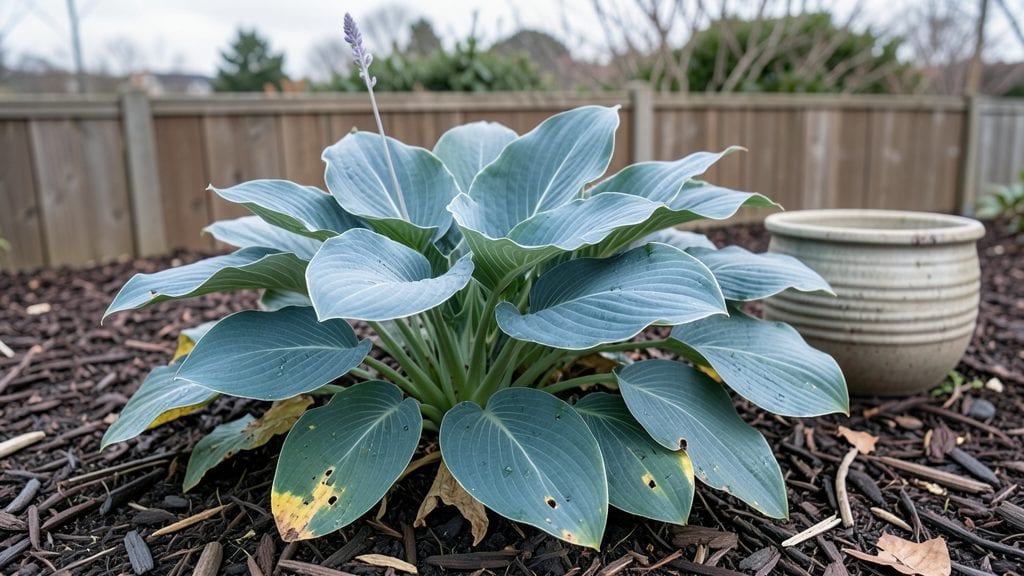
A potted shade garden brings velvety textures and emerald hues to your porch or patio without needing a single ray of direct sun. 🌿 I’ve turned my own shady balcony into a thriving jungle using plants that would wilt in full light, and the results are shockingly lush—even in spots where nothing else grows.
The key isn’t fighting nature but working with it: moisture-loving foliage, layered heights, and containers that keep roots happy in damp conditions.
You’ll need shade-tolerant stars like hostas, ferns, and impatiens, plus containers with drainage holes to prevent soggy roots. A mix of terracotta for breathability and plastic for moisture retention works best—just avoid heavy clay that dries out too fast.
Add a splash of color with caladiums or heucheras, and you’ve got instant curb appeal without the sunburn risk. Even my black thumb can’t kill these combinations.
By the time summer hits, you’ll have a layered display that feels like a mini forest: tall ferns framing shorter hostas, with trailing pothos spilling over edges.
The air stays fresh with that earthy, slightly sweet scent of healthy foliage, and you’ll never again settle for sad, leggy plants from the nursery. This is gardening for people who love greenery but hate the sun.
Works for apartments, covered porches, or even north-facing yards—just swap out plants for your specific light conditions. The same principles apply whether you’re going for cottagecore charm or sleek minimalism. Let’s get those pots planted!
📚 In This Guide
- What you need
- Instructions
- Tips and common mistakes
- Wrapping up and next steps
What you need
- ● Containers: 3-5 large pots (12–18" diameter) with drainage holes. Pro tip: 💡 Use terracotta for breathability or self-watering pots for convenience.
- ● Potting Mix: 10–15 quarts of high-quality, well-draining peat-free or coco coir-based mix (avoid garden soil—it compacts!).
- ● Shade-Loving Plants: 3–5 varieties (e.g., Heuchera, Ferns, Hostas, or Calatheas). Pro tip: ✨ Mix textures (spiky, frilly, or glossy) for visual appeal!
- ● Slow-Release Fertilizer: 1–2 cups of organic granules (e.g., osmocote or fish emulsion).
- ● Mulch: 1–2 inches of orchid bark or shredded leaves to retain moisture.
- ● Gloves & Trowel: For easy planting and soil handling.
- ● Watering Can: With a rose nozzle for gentle watering.
- ○ Saucer or Tray: To catch excess water (optional but helpful!).
- ● Plant Labels: Small stakes or markers to track varieties.
- ○ Optional: Decorative stones or pebbles for a polished look.
Step-by-Step instructions for creating a potted shade garden
Here's how to craft a thriving, layered container garden that flourishes in low-light spots.
🪴 Step 1: Select and Prepare Your Containers
Choose 4 large containers (14-18 inches wide) with drainage holes—terra cotta lets moisture evaporate naturally, which prevents root rot in shade. I like mixing materials for visual interest: a classic ceramic pot for structure, a woven basket for texture, and two plastic containers for lightweight mobility. Scrub containers thoroughly with soapy water to remove any residue that could hinder drainage.
Line the bottom of each container with 1-2 inches of gravel or pebbles to create an air gap. This prevents water from pooling at the roots while allowing excess moisture to drain freely. Place the containers in your chosen shade spot—whether it's under a tree, on a north-facing porch, or beneath an overhang—before adding soil. This ensures you're happy with the placement before committing to planting.
🌱 Step 2: Layer Soil and Add Organic Matter
Fill each container with 3 gallons of potting mix, pressing down lightly to eliminate air pockets. Shade plants need soil that stays consistently moist but drains well, so I mix in 1 cup of perlite or coarse sand per container to improve aeration. This prevents compaction, which can suffocate roots in low-light conditions.
Spread 1 cup of compost evenly over the soil surface. Work it into the top 2 inches of soil to provide nutrients without overwhelming the plants. Avoid garden soil—it's too dense and can compact in containers, cutting off oxygen to the roots. Tap the container gently on the table to settle the soil while keeping it loose enough for roots to penetrate easily.
☀️ Step 3: Plant in Layers for Depth and Texture
Start with 1-2 tall plants per container, like heuchera or hosta, placing them in the center of the pot. These anchor plants should be slightly larger than the others to create a balanced foundation. Gently remove them from their nursery pots and loosen the roots if they're circling. Dig a hole twice as wide as the root ball and place the plant so the top of the root ball sits ½ inch below the soil line.
Add 2-3 mid-height plants, such as ferns or astilbe, around the tall plant. These should be spaced 4-6 inches apart to allow for growth without overcrowding. Finish with 3-5 trailing or ground-cover plants, like sweet potato vine or creeping jenny, to spill over the edges. Water gently after planting to settle the soil around the roots and remove any air pockets.
💧 Step 4: Water and Maintain Moisture
Water each container until water runs freely from the drainage holes, ensuring the soil is evenly moist to a depth of 3-4 inches. Shade plants rely on consistent moisture, so I water when the top 1 inch of soil feels dry to the touch. Use a watering can with a narrow spout to direct water to the soil without disturbing the plants. Avoid wetting the leaves, as this can encourage fungal diseases in humid shade environments.
Mulch the soil surface with ½ inch of shredded bark or pine needles to retain moisture and suppress weeds. This layer also regulates soil temperature, keeping roots cool in summer and slightly warmer in winter. Check the soil moisture weekly—shade gardens dry out slower than sunny ones, but containers lose moisture quickly through evaporation. Adjust your watering schedule based on the weather; you may need to water every 2-3 days in hot, dry spells.
✂️ Step 5: Prune and Fertilize for Long-Term Health
Trim back any leggy or overgrown foliage in early spring to encourage bushier growth. Use clean, sharp pruners to make cuts just above a leaf node or set of leaves. This not only shapes the plant but also stimulates new growth. Deadhead spent blooms regularly to redirect the plant's energy into foliage production rather than seed development.
Feed your shade garden every 4-6 weeks during the growing season with a balanced, slow-release fertilizer (like 10-10-10). Mix 1 tablespoon of fertilizer per container into the top 2 inches of soil or apply it as a liquid according to the package instructions. Over-fertilizing can harm shade plants, so always follow the recommended dosage. In late fall, reduce watering and stop fertilizing to allow the plants to enter dormancy naturally.
Tips & tricks for perfect potted shade gardens
Creating a thriving potted shade garden takes a few key strategies to ensure your plants flourish without direct sunlight.
Container Material Matters: Terra cotta containers are ideal for shade plants because they allow moisture to evaporate naturally, preventing root rot in low-light conditions. However, if you choose plastic containers, opt for larger sizes since they retain moisture longer. Remember, the 14-18 inch width recommendation ensures proper root development and stability for your layered design.
Soil Mix Secrets: The combination of 3 gallons of potting mix with 1 cup of perlite or coarse sand creates the perfect balance of moisture retention and drainage. For an extra boost, mix in 1 cup of compost into the top 2 inches of soil. This provides essential nutrients while preventing compaction that can suffocate roots in containers. Tap the container gently after filling to eliminate air pockets without compacting the soil.
Layering Like a Pro: When arranging your plants in Step 3, focus on creating visual depth by placing taller plants like heuchera or hosta in the center. The ½ inch below soil line placement ensures stability while allowing room for root expansion. For mid-height plants, maintain 4-6 inch spacing to prevent overcrowding as they grow. Trailing plants like sweet potato vine will naturally spill over the edges, creating that lush, cascading look.
Watering Wisdom: Shade plants need consistent moisture, but containers dry out faster than in-ground gardens. Water until it flows freely from the drainage holes to ensure even moisture to a depth of 3-4 inches. Check soil moisture weekly by touching the top 1 inch—if it feels dry, it's time to water. Mulching with ½ inch of shredded bark helps retain moisture and regulates soil temperature, keeping roots comfortable year-round.
Pro Tips for Potted Shade Garden
- Creating a thriving potted shade garden takes a few key strategies to ensure your plants flourish without direct sunlight.
- Container Material Matters: Terra cotta containers are ideal for shade plants because they allow moisture to evaporate naturally, preventing root rot in low-light conditions.
- Soil Mix Secrets: The combination of 3 gallons of potting mix with 1 cup of perlite or coarse sand creates the perfect balance of moisture retention and drainage.
Frequently asked questions
What are the best plants for a low-light potted garden?
Opt for foliage-focused stars like hostas, heucheras, or calatheas (for texture), plus shade-tolerant bloomers like impatiens or begonias. Ferns (e.g., maidenhair) add lush layers. Avoid sun-lovers like succulents or lavender—they’ll wilt faster than a snowman in July!
How often should I water a potted shade garden?
Check soil moisture weekly—stick your finger 1–2 inches deep. Water when it’s dry, but never let pots sit in saucers of water (root rot is a party crasher ). Shade gardens dry slower than sunny ones, so aim for 1–2 deep waterings per week, adjusting for humidity. Mulch helps retain moisture!
Can I reuse old pots for a shade garden?
Just ensure pots have drainage holes (drill them if needed). Clean thoroughly with soap/water to kill pests, then line with landscape fabric if roots escape. Terracotta dries faster (great for drought-prone plants), while plastic retains moisture longer. Pro tip: Paint pots to match your patio vibe!
Will my shade garden survive winter?
Most tropical plants (like calatheas) are tender and need winter care: Move pots indoors or wrap them in bubble wrap if temps drop below 40°F. Hardy perennials (e.g., heucheras) can stay outside with a thick layer of mulch. Drain saucers to prevent ice damage!
How do I refresh a sad-looking shade garden?
Revive leggy or yellowing plants with pruning (cut back dead growth) and fertilizer (use a balanced 10-10-10 or slow-release pellets). Repot if roots are circling. If pests (like spider mites) strike, spray with neem oil or rinse leaves gently. Sometimes, a fresh layer of soil works wonders!
Wrapping up and next steps
Creating a potted shade garden is all about embracing the beauty of low-light plants and letting your creativity bloom—literally! 🌿 With the right containers, soil, and foliage layers, you can craft a thriving mini-ecosystem that adds life and texture to shady spots.
Remember, even without sunlight, your garden can be vibrant, functional, and full of personality.
Ready to dive in? Start small—pick one or two containers and experiment with your favorite shade-loving plants. Before you know it, you’ll have a lush, green oasis that brings joy (and maybe even a few compliments) to your space! 🌱