Size
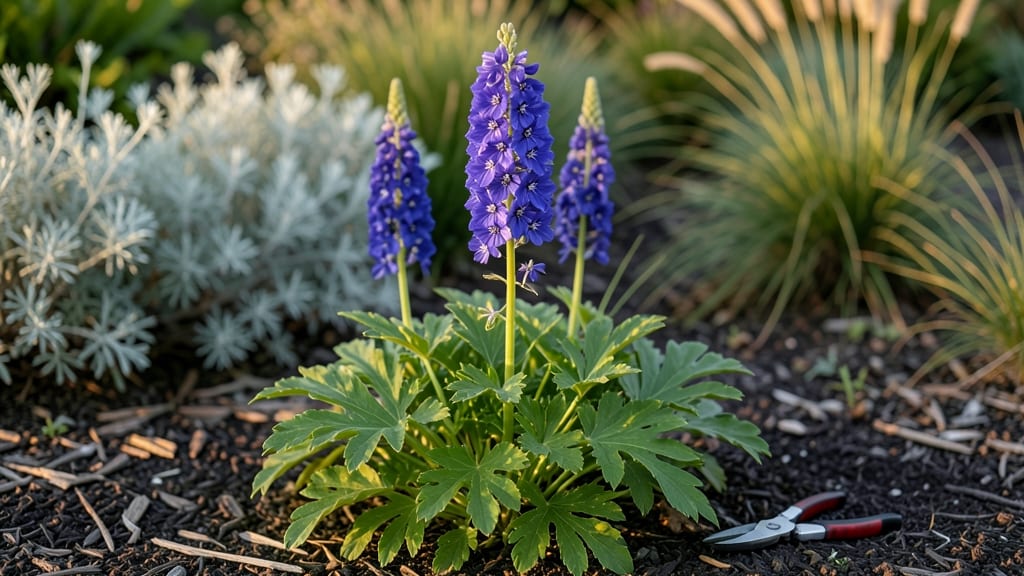
Creating a vertical privacy screen that feels alive and changes with the seasons is one of my favorite garden design challenges. 🌿 The right tall plants don’t just block views—they create a living tapestry that shifts from spring’s delicate blooms to summer’s lush foliage and fall’s fiery hues.
I’ve tested everything from fast-growing bamboo to dramatic sunflowers, and the best combinations do more than hide—they transform your space into a serene retreat.
The magic happens in layering: start with 6-foot evergreens like arborvitae for structure, then add medium-height shrubs like butterfly bush, and top it off with 8-10 foot climbers or perennials like hollyhocks or Russian sage.
These plants thrive in full sun to partial shade, and most need 3-6 feet of spacing to avoid competition. The key is balancing height with air circulation—crowding them too close invites pests and weakens growth.
By midsummer, you’ll have a screen that’s not just tall but textured and fragrant—think velvety lamb’s ear rubbing against spiky miscanthus, or the sweet scent of lilacs mingling with the crispness of lavender.
The best part? These plants keep growing, so your screen evolves with you, offering more privacy and beauty each year. Let’s pick the perfect mix for your space.
Whether you’re working with a narrow yard or a wide expanse, these plants adapt—some grow in containers, others spread underground. The only rule? Start with what your sunlight and soil can handle.
I’ll show you how to combine them for maximum impact without the maintenance headache. Ready to grow your own living fence?
📚 In This Guide
- What you need
- Instructions
- Tips and common mistakes
- Wrapping up and next steps
What you need
- ● Tall Garden Plants: 3–5 mature plants (e.g., Bamboo, Arborvitae, Holly, or Sunflower varieties) or 10–20 seedlings (if starting from scratch).
- ○ Optional: Fast-growing climbers like Honeysuckle, Clematis, or Jasmine for added height and fragrance.
- ● Soil & Fertilizer: 50 lbs of well-draining potting mix or garden soil (amended with compost for nutrients).
- ● 1–2 bags of slow-release fertilizer (10-10-10 or organic options like fish emulsion).
- ● Support Structures: 1–2 trellises, fences, or tall stakes (6–10 ft tall, depending on desired height).
- ○ Optional: Wire mesh or netting for climbers (10–15 ft rolls).
- ● Tools: 1 shovel or trowel (for planting).
- ● 1 pruners (for trimming and shaping).
- ● 1 measuring tape (to space plants 3–6 ft apart).
- ● 1 watering can or hose with a gentle spray nozzle.
- ● Mulch: 2–3 bags of wood chips or straw (to retain moisture and suppress weeds).
- ● Drip Irrigation System: For automated watering (especially useful for tall, thirsty plants).
- ● Decorative Elements: Solar-powered lights, garden stakes with plant tags, or lattice panels for extra style.
- ● Plant Food: Liquid fertilizer (for a mid-season boost).
Step-by-Step instructions for designing a living privacy screen
Here's how to create a lush, ever-evolving privacy barrier that grows taller and denser each season.
🌱 Step 1: Select Fast-Growing, Tall Plant Species
Choose plants that reach at least 8-12 feet at maturity and have dense foliage for maximum privacy. I recommend bamboo (Fargesia spp.) for rapid growth, arborvitae (Thuja spp.) for year-round structure, or ornamental grasses (Miscanthus sinensis) for movement and texture. Native species like eastern red cedar (Juniperus virginiana) also thrive with minimal care.
For a mixed screen, combine 3-4 species to create layers and seasonal interest. Place taller varieties like bamboo at the back row and medium-height plants like privet (Ligustrum spp.) in front. This ensures full coverage from the first growing season while allowing sunlight to reach all plants.
🪴 Step 2: Prepare the Planting Area
Mark a 4-foot deep trench along your property line, wide enough to accommodate your selected plants spaced 3-5 feet apart. Dig the trench to loosen soil and improve drainage—tall plants hate soggy roots. Amend the native soil with 3 inches of compost and 1 cup of balanced fertilizer (10-10-10) per planting hole.
For clay-heavy soil, mix in 1 part perlite to 3 parts soil to prevent compaction. Test the soil pH—most tall privacy plants prefer 6.0-7.0. If your soil is too acidic, add lime; if too alkaline, incorporate sulfur. This prep work ensures your plants establish strong root systems quickly.
☀️ Step 3: Plant for Maximum Growth and Privacy
Dig holes twice as wide as the root ball but no deeper. Place each plant so the top of the root ball sits 1 inch above ground level—this prevents rot and encourages root expansion. Backfill with native soil mixed with 1 cup of compost per hole, then water deeply to settle the roots.
Mulch the area with 3 inches of shredded bark to retain moisture and suppress weeds. Keep mulch 6 inches away from plant stems to avoid rot. Water each plant with 1 gallon daily for the first 2 weeks, then taper to 2 gallons weekly once established. This consistent moisture jumpstarts vertical growth.
✂️ Step 4: Prune for Density and Shape
Prune new growth in early spring to encourage bushier habits. Cut back one-third of the tallest stems to just above a leaf node—this stimulates branching. For bamboo, divide clumps every 3-4 years to control spread and refresh growth vigor. Use clean, sharp pruners to avoid tearing stems.
In late summer, trim any leggy or sparse areas to maintain a full, uniform look. Remove any dead or diseased branches immediately to prevent spread. This ongoing maintenance keeps your screen dense and prevents gaps from forming as plants mature.
💧 Step 5: Maintain Through the Seasons
Fertilize in early spring with ½ cup of slow-release fertilizer per plant. Water deeply once weekly during dry spells, aiming for 1-2 inches of moisture per week. Tall plants need consistent hydration to support their height—wilting leaves signal underwatering.
Monitor for pests like spider mites or scale, which love dense foliage. Treat infestations immediately with horticultural oil or insecticidal soap. With proper care, your screen will reach full height in 3-5 years, providing lasting privacy and beauty.
Tips & tricks for perfect vertical privacy screens
Creating a stunning vertical privacy screen takes more than just planting—it's about strategic choices that ensure your living barrier thrives. Here are game-changing insights to elevate your project from good to extraordinary.
Species Selection Strategy: When choosing your 3-4 species in Step 1, prioritize plants with complementary growth habits. Pair fast growers like bamboo with slower but dense varieties like arborvitae. This creates an immediate visual impact while ensuring long-term coverage. For example, combine bamboo's rapid height gain with privet's bushy foliage—bamboo will fill vertical space quickly while privet provides dense horizontal coverage at the front.
Soil Prep Game-Changer: In Step 2, don't just amend the planting holes—improve the entire 4-foot deep trench area. Spread a 2-inch layer of compost across the entire trench before planting, not just in individual holes. This creates a more uniform growing environment and prevents root competition. For clay-heavy soils, consider adding 1 part coarse sand to 3 parts soil instead of perlite—it improves drainage while maintaining moisture better than perlite alone.
Planting Depth Secret: The 1-inch above ground level placement in Step 3 is critical but often misunderstood. This positioning prevents stem rot while allowing roots to expand freely. For container-grown plants, gently loosen the root ball before planting to encourage outward growth. If you're planting in fall, add a 2-inch layer of mulch after planting to insulate roots during winter dormancy.
Watering Wisdom: The 1 gallon daily for 2 weeks recommendation in Step 3 is non-negotiable, but timing matters just as much. Water in the early morning to reduce evaporation and fungal risks. For the first week, split the gallon into two ½-gallon waterings—morning and evening—to ensure deep penetration without waterlogging. Once established, focus on deep watering (1-2 inches per week) rather than frequent light waterings to encourage strong root development.
Pro Tips for Tall Garden Plants
- Creating a stunning vertical privacy screen takes more than just planting—it's about strategic choices that ensure yo...
- Species Selection Strategy: When choosing your 3-4 species in Step 1, prioritize plants with complementary growth hab...
- Soil Prep Game-Changer: In Step 2, don't just amend the planting holes—improve the entire 4-foot deep trench area. Sp...
Frequently asked questions
Got questions about tall garden plants?
You’re not alone! Whether you're planning a privacy screen or just curious about care, here are answers to the most common queries to help you grow with confidence.
What are the fastest-growing tall plants for quick privacy?
If you need a speedy screen, opt for bamboo (3–5 ft/year), leucadendron (2–3 ft/year), or arborvitae (1–2 ft/year). For tropical flair, monstera deliciosa or philodendron climb quickly on trellises. Just ensure they match your climate—some thrive in zones 7–10!
How long does it take for tall plants to reach full height?
Most tall garden plants take 3–5 years to hit their mature height, but some (like bamboo) can shoot up in just 1–2 years under ideal conditions. Dwarf varieties or slower growers (e.g., ornamental grasses) may take 5+ years. Patience pays off—consistent watering and sunlight speed things up!
Can tall plants survive in cold climates?
Yes! Cold-hardy options like arborvitae (zones 4–8), evergreen shrubs (e.g., holly, zones 5–9), or Russian olive (zones 3–7) thrive in chilly areas. For tropical plants (e.g., palms), use containers or mulch heavily. Always check the USDA hardiness zone for your plant’s needs.
How do I prune tall plants to keep them neat?
Prune in early spring or after flowering to encourage bushier growth. For shrubs, trim back 1/3 of the new growth; for vines, cut dead or overgrown stems at the base. Use clean shears and sterilize them with rubbing alcohol to prevent disease. Pro tip: Shape gradually to avoid shocking the plant!
What’s a good alternative if I don’t want permanent plants?
Try rental privacy screens (e.g., bamboo rolls or fabric panels) for temporary solutions. For a semi-permanent fix, fast-growing trees like leucadendron or willow can be removed later. Annual vines (e.g., morning glories) also offer seasonal coverage—just replant yearly!
Why are my tall plants leaning or dying?
Leaning often means poor sunlight or wind exposure. Stake young plants or use a trellis for support. Yellowing leaves? Check for overwatering or root rot—let soil dry slightly between waterings. Brown spots could signal pests (e.g., spider mites) or fungus. Isolate affected plants and treat with neem oil or insecticidal soap.
Wrapping up and next steps
Transforming your outdoor space with tall garden plants is a rewarding way to add privacy, beauty, and even functionality—without breaking the bank!
Whether you’re drawn to fast-growing shrubs, lush bamboo, or elegant evergreens, these vertical wonders grow with you, offering year-round solutions for any yard. Now’s the perfect time to roll up your sleeves and plant your vision!
🌱 Ready to Grow?
Start small—pick one or two plants this season, monitor their progress, and expand as you gain confidence. Before you know it, your backyard will feel like a cozy, secluded retreat. Happy planting! 🌿