
Plants
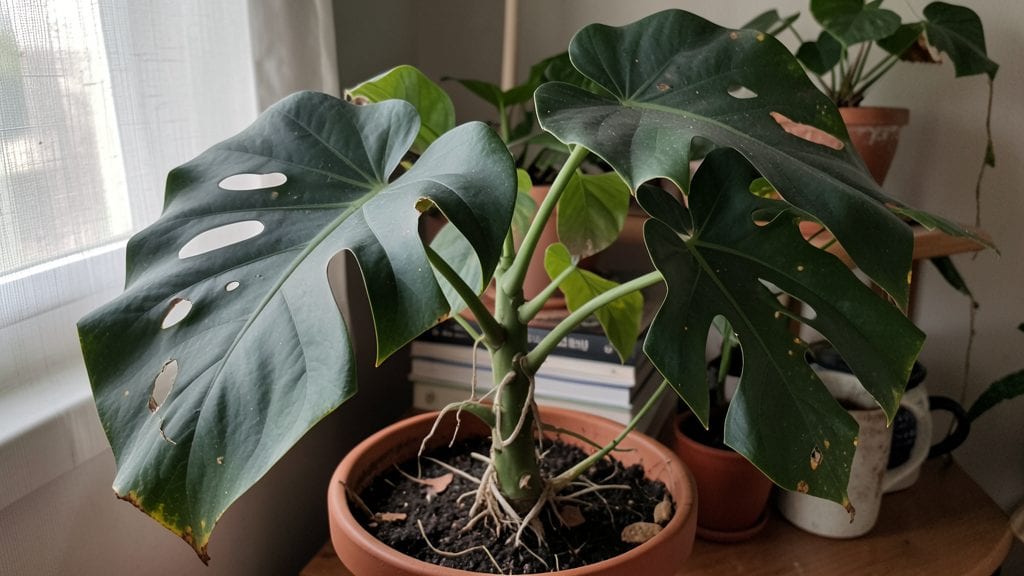
Before you bring that lush monstera deliciosa indoors, verify the gardening test 2026 standards—because even tropical divas need the right care to thrive. 🌿 I’ve nursed more than my share of struggling monsteras back to health, and the secret lies in mimicking its tropical... roots without overcomplicating things.
Most people drown these plants or starve them for light, but the right balance turns them into lush, fast-growing giants.
You only need a few basics: bright, indirect light (think east-facing windows or a few feet from a south window), well-draining soil, and a watering routine that keeps the roots happy—not soggy.
My monsteras now grow 12-18 inches per year when I stick to these rules, and the split leaves become more dramatic with each season. The key is checking soil moisture with your finger—if the top inch feels dry, it's time to water.
What you'll end up with is a plant that looks like it belongs in a conservatory, not your living room. The large, glossy leaves develop those iconic splits naturally, and with proper care, your monstera will outgrow its pot in just a few years.
Pruning encourages bushier growth, and occasional misting keeps those leaves looking fresh year-round.
This works whether you're in a bright city apartment or a sunroom with filtered light. The same principles apply—just adjust the light source and watering frequency based on your space. Let's get that monstera thriving like the jungle giant it is meant to be.
📚 In This Guide
- What you need
- Instructions
- Tips and common mistakes
- Wrapping up and next steps
What you need
- ● Monstera deliciosa plant: 1 mature or juvenile plant (6”–18” pot size recommended for starters).
- ● Well-draining pot: 1 ceramic or terracotta pot (10”–14” diameter) with drainage holes. Pro tip: Skip plastic—it traps moisture and invites root rot! 🌡️
- ● High-quality potting mix: 1 bag (1–2 cubic feet) of well-draining mix: 50% peat or coconut coir, 30% perlite/pumice, 20% orchid bark or compost. Skip garden soil—it’s too dense! 🚫
- ● Support structure: 1 moss pole, trellis, or sturdy bamboo stake (6–8 feet tall). Monstera loves to climb—this mimics its jungle habitat! 🌿
- ● Watering can: 1 with a narrow spout (1–2 gallon capacity) for precise hydration.
- ○ Humidity tray or pebble tray: 1 (optional but highly recommended for dry climates). Fill with pebbles and water to boost humidity around your plant.
- ● Fertilizer: Balanced liquid fertilizer (e.g., 10-10-10 or 20-20-20), 1 bottle (8 oz).
- ● Slow-release granular fertilizer (e.g., Osmocote), 1 small bag (1 lb).
- ● Pruning shears: 1 pair of sterilized shears (sharp, bypass-style for clean cuts).
- ○ Grow lights (optional): 1–2 full-spectrum LED grow bulbs (6500K color temperature) for low-light setups.
- ● Location: A spot with bright, indirect light (east/west-facing window ideal). Avoid harsh direct sun—it burns those gorgeous leaves! ☀️
- ● Temperature: Keep it cozy—65°F–85°F (18°C–29°C). No drafts near AC/heaters!
- ● Humidity: Aim for 60–80%. Use a hygrometer to monitor if needed.
- ● Patience: Monsteras grow slowly but steadily. Give it time to thrive—no rushing! ⏳
- ● Leaf shine spray (for a showroom-worthy finish).
- ● Rooting hormone (to propagate cuttings with confidence).
- ● Automatic self-watering system (for travel or busy schedules).
- ● Plant food additives (e.g., seaweed extract for a nutrient boost).
Step-by-step instructions for caring for Monstera deliciosa indoors
Here’s how to keep your Monstera thriving for years—no guesswork, just proven care.
🌿 Step 1: Place in Bright, Indirect Light
Monstera deliciosa loves bright, indirect light—think of a spot near a north- or east-facing window where sunlight filters through sheer curtains. Direct sun burns the leaves, turning them yellow or crispy. You’ll know it’s in the right spot when new leaves emerge with their signature split pattern and glossy green color.
If your home has low light, supplement with a grow light positioned 12-18 inches away for 12-14 hours daily. Watch for leggy growth (long stems with small, pale leaves)—that’s a sign it needs more light. Rotate the plant quarter-turn weekly so all sides grow evenly.
💧 Step 2: Water When Top 2-3 Inches of Soil Are Dry
Overwatering is the #1 killer of Monsteras. Stick your finger 2-3 inches into the soil—if it feels dry, it’s time to water. Use room-temperature water and pour slowly until it drains freely from the bottom. Empty the saucer 30 minutes later to avoid root rot.
In winter, when growth slows, water every 7-10 days. Yellow leaves? That’s often overwatering. Brown, crispy edges? Usually underwatering. Adjust based on what you see—Monsteras are forgiving if you respond to their cues.
✂️ Step 3: Prune for Health and Growth
Prune leggy stems or yellowing leaves with clean, sharp scissors just above a leaf node. This encourages bushier growth and redirects energy to healthier parts of the plant. Cutting back overgrown vines also makes the plant more manageable and prevents it from becoming top-heavy.
Propagate cuttings in water to grow new plants—just place a node in a jar of water and wait 2-4 weeks for roots to form. I always keep a few cuttings on hand as backups if my main plant gets stressed.
🪴 Step 4: Feed During Growing Season
Use a balanced liquid fertilizer (like 10-10-10) every 4-6 weeks in spring and summer. Dilute it to half-strength to avoid burning roots. Stop fertilizing in fall and winter—Monsteras rest then. You’ll see the difference in leaf size and vibrancy when you’re feeding it right.
If you notice brown tips or leaf drop after fertilizing, flush the soil with water to remove excess salts. Monsteras are sensitive to buildup, so always follow the "less is more" rule.
☀️ Step 5: Clean Leaves and Monitor for Pests
Wipe leaves monthly with a damp microfiber cloth to remove dust—this helps them absorb light efficiently. I do this while watering to make it a quick habit. Check the undersides of leaves for spider mites or mealybugs, which love Monsteras. Treat infestations with neem oil or insecticidal soap.
Boost humidity by placing the pot on a pebble tray with water or using a humidifier nearby. Monsteras thrive in 40-60% humidity, so if your home is dry, you’ll see crispy leaf edges if you don’t adjust.
Tips & tricks for perfect Monstera deliciosa care
Keeping your Monstera thriving indoors doesn't have to be complicated—these small adjustments make all the difference.
The Light Factor: That 12-14 hours of grow light daily is non-negotiable for low-light spaces. I position mine on a timer so it automatically turns on at 6 AM and off at 8 PM—no thinking required. If you notice new leaves with fewer splits than your mature plant, it's a clear sign to extend the light exposure by an hour or two.
Watering Wisdom: The 2-3 inch soil check is your best friend, but here's the thing: tap water can sometimes contain chemicals that stress Monsteras. I always let my tap water sit out for 24 hours before using it, which helps the chlorine evaporate. Also, those 30 minutes to empty the saucer? That's not just about root rot prevention—it's also giving your plant's roots a chance to breathe between waterings.
Pruning Payoff: When you're pruning those leggy stems in Step 3, don't toss your cuttings! Place them in a jar of water with just a node submerged, and you'll have new plants in about 2-4 weeks. I keep a dedicated propagation station on my kitchen counter—it's amazing how quickly these cuttings root when given the right conditions. Plus, it's a great way to share Monsteras with friends without spending money.
Seasonal Strategy: The 4-6 week feeding schedule works perfectly for spring and summer, but here's what nobody tells you: Monsteras actually appreciate a "fertilizer vacation" in winter. I stop feeding completely from November through February, and my plants reward me with bigger, healthier leaves come spring. Just remember to flush the soil with water every few months to prevent salt buildup—your Monstera will thank you with vibrant new growth.
Pro Tips for Verify Gardening Test 2026 Caring For Monstera Deliciosa Indoors
- Keeping your Monstera thriving indoors doesn't have to be complicated—these small adjustments make all the difference.
- The Light Factor: That 12-14 hours of grow light daily is non-negotiable for low-light spaces.
- Watering Wisdom: The 2-3 inch soil check is your best friend, but here's the thing: tap water can sometimes contain chemicals that stress Monsteras.
Frequently asked questions
Got questions about keeping your Monstera deliciosa thriving indoors? You’re not alone!
Here are answers to the most common concerns—so you can ace your 2026 gardening test with confidence.
How often should I water my Monstera deliciosa indoors?
Water your Monstera when the top 1-2 inches of soil feel dry. Overwatering is the #1 killer—stick your finger in the soil to test! In winter, reduce watering to every 2-3 weeks since growth slows. Pro tip: Ensure pots have drainage holes to prevent root rot.
Why are my Monstera leaves yellowing or drooping?
Yellow leaves usually mean overwatering or poor drainage, while drooping signals underwatering or low humidity. Check soil moisture, adjust watering, and mist leaves (or use a pebble tray) to boost humidity. Bonus: Move it away from cold drafts—Monstera hates temperature swings!
Can I grow a Monstera deliciosa without direct sunlight?
Monsteras thrive in bright, indirect light (e.g., near east/west-facing windows). If light is dim, rotate the pot monthly for even growth. No bright spot? Try a grow light 6-12 inches away for 12 hours/day. Warning: Avoid harsh direct sun—it burns leaves!
How do I encourage my Monstera to grow bigger splits (fenestrations)?strong>
Fenestrations (those iconic splits) develop with mature growth and proper care. Ensure your plant gets bright, indirect light and fertile soil (repot every 2 years with fresh potting mix). Patience is key—young plants focus on vines first! Fun fact: Variegated Monsteras may take longer to split.
What’s the best way to propagate my Monstera deliciosa?
Use stem cuttings with at least one node and an aerial root. Dip the node in rooting hormone (optional), plant in water or moist soil, and keep in bright, indirect light. Roots grow in 4-6 weeks! Pro tip: Skip the soil method if you’re impatient—water propagation lets you watch roots grow daily!
How cold can a Monstera deliciosa tolerate indoors?
Monsteras hate cold! Keep temps between 65–85°F (18–29°C). Below 50°F (10°C) risks leaf drop or death. Avoid drafts from AC vents or windows. Winter hack: Group plants together to create a microclimate and retain warmth.
Wrapping up and next steps
Caring for your Monstera Deliciosa indoors is all about patience, observation, and a little love! 🌿 With the right light, watering routine, and occasional grooming, you’ll soon be rewarded with lush, dramatic foliage that thrives year-round.
Remember, every plant tells a story—yours is one of growth, resilience, and the joy of nurturing life.
Ready to take the next step? Start by monitoring your plant’s progress—adjust care as needed—and soon, you’ll have a thriving Monstera that’s the star of your space! 🌟