
Plants
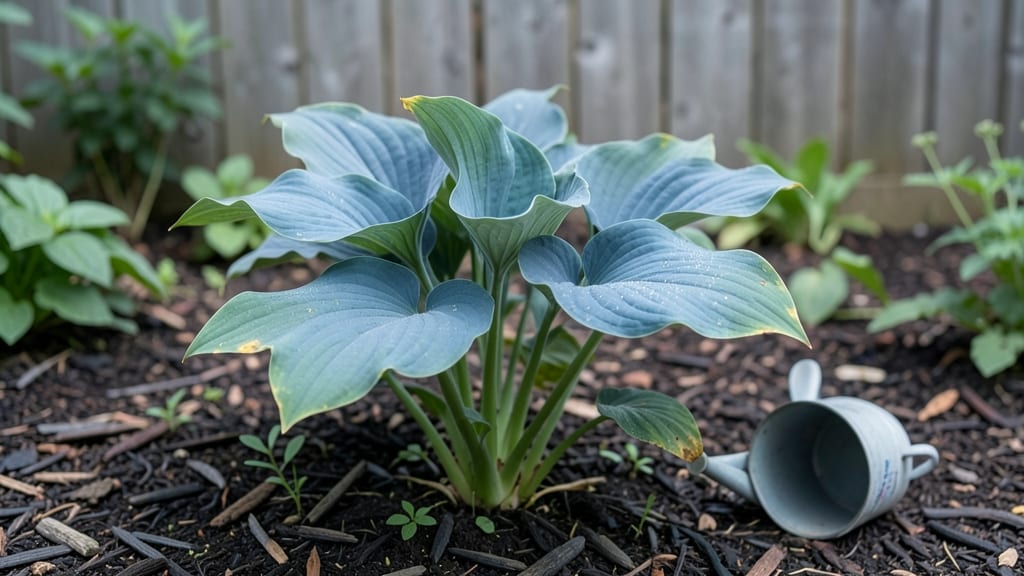
A backyard garden lover can transform their outdoor space into a vibrant, easy-care haven by choosing drought-tolerant perennials like lavender, sedum, and coneflowers alongside hardy annuals such as marigolds and zinnias. These plants thrive with minimal watering, naturally repel pests, and deliver continuous blooms across all seasons.
A backyard garden lover's secret weapon is selecting plants that handle Mother Nature's mood swings like pros.
These varieties—like lavender and sedum—need far less attention than fussy flowers, yet still pack a punch with their fragrance, texture, and pollinator appeal. 🌿 The key is their built-in resilience: most survive on weekly watering once established, and their deep roots make them drought-proof once planted.
I've seen coneflowers bloom for months with zero deadheading, while zinnias self-seed for next year's show. It's all about working with nature's rhythms rather than fighting them.
What's especially rewarding is how these plants create a self-sustaining ecosystem. Marigolds naturally deter pests, while lavender attracts bees without needing extra feedings. The real magic happens when you group them by sunlight needs—sun-lovers like sedum in hot spots, shade-tolerant heuchera under trees—and let them spread naturally.
This approach turns gardening from a chore into a relaxing weekend project, where you're rewarded with color and life instead of weeding marathons.
💡 In This Article
- Low-Maintenance Plants for Year-Round Garden Beauty
- Design Tips for a No-Fuss Backyard Garden Layout
Low-maintenance plants for year-round garden beauty
The secret to these plants' resilience lies in their deep root systems and natural adaptations. Sedum, for example, stores water in its thick, fleshy leaves (a trait called succulence), allowing it to survive weeks without rain once established.
Meanwhile, coneflowers develop taproots that can reach 3-5 feet deep, accessing moisture far below the surface. This biological engineering means they handle both drought and heavy rains with equal grace—no soggy roots or thirsty wilting here. 🌵
Temperature extremes? No problem. Lavender thrives in USDA zones 5-9, handling winter chills down to -20°F while basking in 100°F+ heat without wilting.
Its silvery foliage even reflects sunlight, reducing soil heat. Zinnias, while annuals, sprout quickly in spring and bloom until frost, their bright colors acting like natural sunscreen that protects their delicate stems from scorching.
The key is their ability to enter dormancy or rapid regrowth cycles—like hitting pause on high-maintenance drama.
Pruning needs? Almost none. Sedum spreads via underground runners, creating lush ground cover without needing division for years. Conecflowers self-seed prolifically, ensuring new blooms appear each season with zero effort. Even marigolds—those cheerful annuals—regrow from their roots if cut back, giving you two harvests in one season.
The only "maintenance" is optional: a light trim of leggy stems in early spring keeps them tidy, but even that's optional. 🌼
Soil prep? Overrated. These plants adapt to almost anything. Sedum grows happily in rocky crevices where other plants would starve, while heuchera (a shade-loving perennial) thrives in poor, acidic soil that would kill most flowers.
The trick is amending with 2-3 inches of mulch at planting to retain moisture and suppress weeds—then forgetting about it. Their roots break down organic matter naturally over time, creating their own fertile zone.
Seasonal interest comes from clever layering. Lavender offers fragrant foliage year-round, while its purple spikes bloom in summer. Sedum turns fiery red in fall, and coneflowers provide winter seed heads for texture.
Even "dead" stems become part of the garden's story—like zinnias standing tall against snow, their dried blooms feeding birds. It's a garden that works as hard as you do (which is to say, not at all).
What most gardeners overlook is how these plants attract beneficial insects naturally. Marigolds repel nematodes with their strong scent, while coneflowers host monarch butterflies. The result?
Fewer pests, more pollinators, and a balanced ecosystem that requires no chemical interventions. It's gardening by osmosis—just plant, observe, and enjoy the show. ✨