
Container Gardens
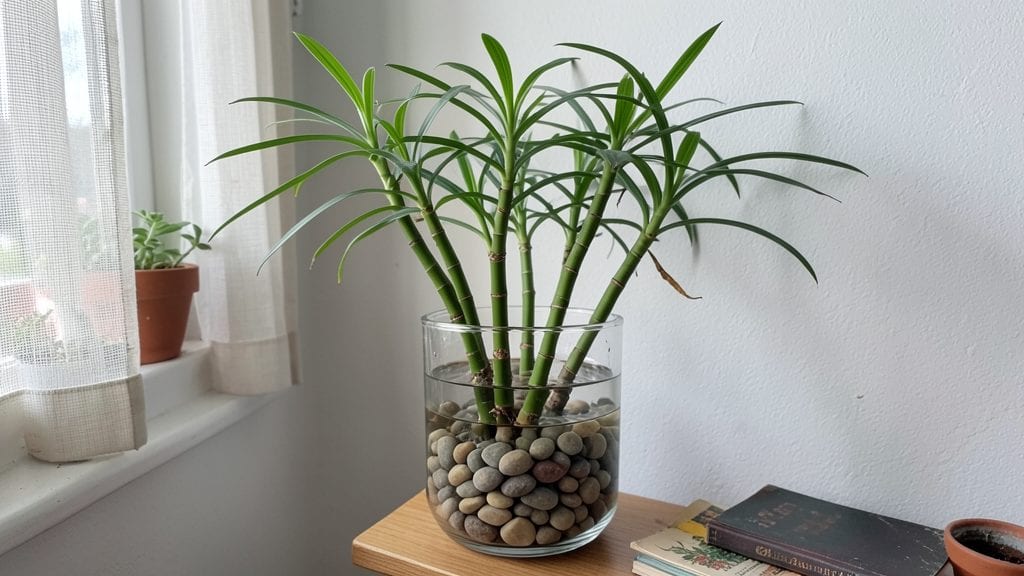
My bamboo container garden became the star of my backyard after I swapped out flimsy lattice screens for lush, living privacy. 🌿 The right dwarf varieties—like Golden Goddess or Umbraculifera—stay compact enough for pots while still delivering that signature tropical elegance.
Unlike permanent plantings, these containers let me rearrange the screen whenever I want, adapting to seasonal sun shifts or sudden wind patterns.
You’ll need 12-18 inch diameter containers (terracotta for breathability or weatherproof plastic for durability) with drainage holes, plus a well-draining mix of 60% potting soil, 30% perlite, and 10% compost.
Place them near a fence or patio edge where they’ll catch 4-6 hours of morning sun—just enough to keep foliage vibrant without scorching. For extra stability, anchor the heaviest containers with stakes or weights, especially in breezy spots.
The payoff? A year-round privacy screen that smells like fresh rain and hums with life, not the dull green of plastic alternatives. Pair your bamboo with trailing ferns for height variation or add weatherproof lanterns for evening ambiance.
In winter, the canes take on a subtle bronze tint that adds unexpected texture to the landscape. Best of all, you can move the whole setup if you ever want to reimagine the space.
This works equally well for urban balconies (use hanging pots for vertical growth) or suburban backyards (create a multi-tiered wall). The key is choosing clumping varieties—they stay tidy in containers and won’t send out aggressive runners.
Once established, your bamboo will grow 1-2 feet per year, giving you a living screen that only gets better with time.
📚 In This Guide
- What you need
- Instructions
- Tips and common mistakes
- Wrapping up and next steps
What you need
- ● Bamboo poles: 10–20 poles (4–6 feet tall, 1–2 inches in diameter). Choose clumping bamboo (non-invasive) for safety.
- ● Container or planter: 1 large, deep container (12–18 inches deep, 18+ inches wide) with drainage holes.
- ● Potting soil: 2–3 cubic feet of high-quality, well-draining soil (mix in perlite or compost for aeration).
- ● Watering can or hose: With a gentle spray nozzle for even moisture.
- ● Fertilizer: Slow-release organic fertilizer (e.g., fish emulsion or balanced 10-10-10).
- ● Twine or zip ties: For securing bamboo poles to the container or frame.
- ● Pruning shears: Sharp, clean shears for trimming.
- ○ Mulch (optional but recommended): 1–2 inches of shredded bark or coconut coir to retain moisture.
- ● Decorative elements: Moss, pebbles, or small stones for texture.
- ● Grow lights: LED grow lights for low-light areas.
- ● Drip irrigation system: For automated watering.
- ● Bamboo stakes or trellis: To create a structured, layered look.
- ● Slow-release moisture beads: To reduce watering frequency.
Step-by-step instructions for building a bamboo container garden
Transform your space with a lush, vertical privacy screen that thrives year-round.
🪴 Step 1: Select and Assemble Bamboo Containers
Choose 4-6 bamboo planters with drainage holes, each at least 12 inches deep and 10 inches wide to accommodate root growth. I prefer the woven style—they’re sturdy yet lightweight and let you adjust spacing as plants mature. Arrange them in a staggered pattern on a wall or fence, spacing each 6-8 inches apart to create a seamless, layered look.
Mount the containers using heavy-duty brackets or a pre-built bamboo trellis system. Ensure each planter is level—tilted containers cause poor drainage and uneven growth. If mounting outdoors, secure with corrosion-resistant hardware to handle seasonal winds.
🌱 Step 2: Prepare the Soil Mix for Year-Round Growth
Fill each container with 3 gallons of well-draining potting mix, amended with 1 cup of perlite per planter to prevent compaction. I add a handful of slow-release fertilizer to each pot to support consistent growth without frequent feeding. Moisten the mix until it’s damp but not soggy—you should see moisture beads form on the surface when squeezed.
For evergreen privacy, mix in 1 cup of organic compost per container. This boosts nutrient retention, which is critical for bamboo’s rapid growth. Avoid garden soil—it compacts in containers and suffocates roots, leading to yellowing fronds.
🌿 Step 3: Plant Drought-Tolerant and Evergreen Varieties
Select bamboo varieties suited for containers, like Bambusa multiplex or Fargesia robusta, which stay compact and won’t outgrow their space. Plant 1-2 clumping bamboo plants per container, spacing them 3-4 inches apart to allow airflow and prevent fungal diseases. Dig a hole twice the width of the root ball, place the plant, and backfill with soil, pressing gently to eliminate air pockets.
Water deeply after planting to settle the soil and encourage root establishment. You’ll know it’s right when water drains freely from the bottom holes without pooling. Mulch the surface with 1 inch of shredded bark mulch to retain moisture and suppress weeds—this is especially important in hot climates where containers dry out quickly.
☀️ Step 4: Position for Optimal Light and Wind Protection
Place your bamboo containers in partial shade to full sun, depending on your climate. Most varieties tolerate 4-6 hours of direct sunlight daily, but avoid harsh afternoon sun in hot regions—it scorches fronds and stresses plants. If your wall or fence faces west, provide afternoon shade with a sheer curtain or lattice.
Shield the garden from strong winds by positioning it against a sturdy wall or using a windbreak fabric on the exposed side. Bamboo fronds can tear in gusts, and containers may tip over. Test stability by gently pushing each planter—if it wobbles, add a second bracket or anchor it to the wall.
💧 Step 5: Maintain Moisture and Fertility Year-Round
Water when the top inch of soil feels dry, typically 2-3 times per week in summer and once weekly in cooler months. I use a watering can with a narrow spout to direct moisture to the root zone without wetting fronds, which reduces fungal risks. In winter, reduce watering to once every 10-14 days unless your region experiences freezing temperatures.
Fertilize every 6-8 weeks with a balanced liquid fertilizer diluted to half strength. Over-fertilizing causes salt buildup in containers, which burns roots. Flush the soil with water after each feeding to prevent accumulation. Prune yellow or damaged fronds in early spring to encourage fresh growth and maintain the screen’s neat appearance.
Tips & tricks for perfect bamboo container gardens
Here's what I've learned after creating several bamboo privacy screens—these tricks ensure your vertical garden thrives year-round without the common pitfalls.
The Container Stability Secret: When mounting your 4-6 bamboo planters, use L-shaped brackets with rubber gaskets to prevent metal from scratching the bamboo. I've found that adding a small weight (like a decorative stone) to each planter after mounting creates instant stability—no more wobbling containers when winds pick up. This is especially important for the 12-inch deep planters where the center of gravity can shift as roots establish.
Soil Science for Year-Round Growth: The 3 gallons of well-draining potting mix with 1 cup of perlite is your foundation, but here's the pro move: mix in 1/4 cup of worm castings (optional but game-changing) with that 1 cup of organic compost. The castings create a microbial boost that helps bamboo absorb nutrients more efficiently, especially during the 6-8 week fertilization cycle. Think of it as giving your plants a natural probiotic for their soil ecosystem.
Planting Technique That Prevents Fungal Diseases: When planting your 1-2 clumping bamboo plants, create a small mound of soil in the center of each container before placing the plants. This ensures proper drainage right from the start—water will flow around the roots rather than pooling at the bottom. After planting, gently pat down the soil in concentric circles rather than pressing straight down. This creates micro-channels that improve water penetration and root spread.
Light Positioning Hack: For that 4-6 hours of direct sunlight recommendation, here's how to maximize it: if your containers face east, you can get away with slightly more sun (up to 8 hours) because morning light is gentler. For west-facing setups, I recommend using a sheer white shade cloth during peak afternoon hours (2-5pm) to filter the intense light without blocking all sunlight. This balance prevents that "sunburned" look on fronds while still giving your bamboo the energy it needs.
Pro Tips for Bamboo Container Garden
- Here's what I've learned after creating several bamboo privacy screens—these tricks ensure your vertical garden thrives year-round without the common pitfalls.
- The Container Stability Secret: When mounting your 4-6 bamboo planters, use L-shaped brackets with rubber gaskets to prevent metal from scratching the bamboo.
- The castings create a microbial boost that helps bamboo absorb nutrients more efficiently, especially during the 6-8 week fertilization cycle.
Frequently asked questions
Got questions about creating a stunning bamboo container garden?
You're not alone! Here are some of the most common inquiries—plus quick, practical answers to help you get started with confidence.
What types of bamboo work best for container gardens?
For containers, opt for clumping bamboo (like Bambusa multiplex or Fargesia species) over running bamboo—it stays compact and won’t spread invasively. Dwarf varieties (under 6 ft tall) thrive in pots and require less pruning. Avoid giant bamboo (e.g., Phyllostachys) unless you’re prepared for heavy containers and aggressive growth!
How long does it take for bamboo in containers to grow and provide privacy?
Most clumping bamboo grows 12–24 inches per year, so expect noticeable height in 2–3 years. For faster privacy, plant multiple containers in a staggered arrangement or pair bamboo with taller annuals (like sunflowers) for immediate visual impact. Patience pays off—mature bamboo screens can reach 6–10 ft in 5–7 years!
How often should I water bamboo in containers?
Bamboo in pots dries out faster than in-ground plants. Water when the top inch of soil feels dry (usually 2–3 times per week in hot weather). Use well-draining soil and a container with drainage holes to prevent root rot. Pro tip: Mulch the surface to retain moisture and reduce evaporation!
Can I reuse the same bamboo container for other plants later?
After removing bamboo, sterilize the container with a 10% bleach solution or soapy water to kill pests/diseases. Rinse thoroughly before repurposing for vegetables, herbs, or flowers. Just ensure the new plants match the container’s size and drainage needs—bamboo’s dense roots leave minimal space for shallow-rooted alternatives.
Will bamboo in containers survive winter?
Most clumping bamboo is hardy to USDA zones 5–9, but containers are more vulnerable to cold. In freezing temps (<20°F), wrap the pot with burlap or move it to a sheltered spot. Mulch heavily and avoid waterlogging. If your bamboo is tender (e.g., tropical species), overwinter indoors near a bright window or dig it up and store it in a cool, dark place.
Why is my bamboo turning yellow or brown?
Yellowing leaves often signal overwatering or poor drainage. Brown tips? Likely underwatering or windburn. Check for pests (like spider mites) on the undersides of leaves. If the entire plant wilts, it may be root-bound—repot it into a larger container with fresh soil. Pro tip: Fertilize lightly in spring with a balanced 10-10-10 mix to encourage lush growth!
Wrapping up and next steps
Creating a bamboo container garden is a fantastic way to add vertical privacy, lush greenery, and natural beauty to your space—all while keeping maintenance simple. Whether you’re a seasoned gardener or just starting out, these versatile containers bring year-round charm with minimal effort. 🌿
Ready to transform your outdoor area? Start by gathering your materials, then dive in with confidence—your future privacy screen (and happy plants!) are just a few steps away. Happy gardening! 🌱