
Tools
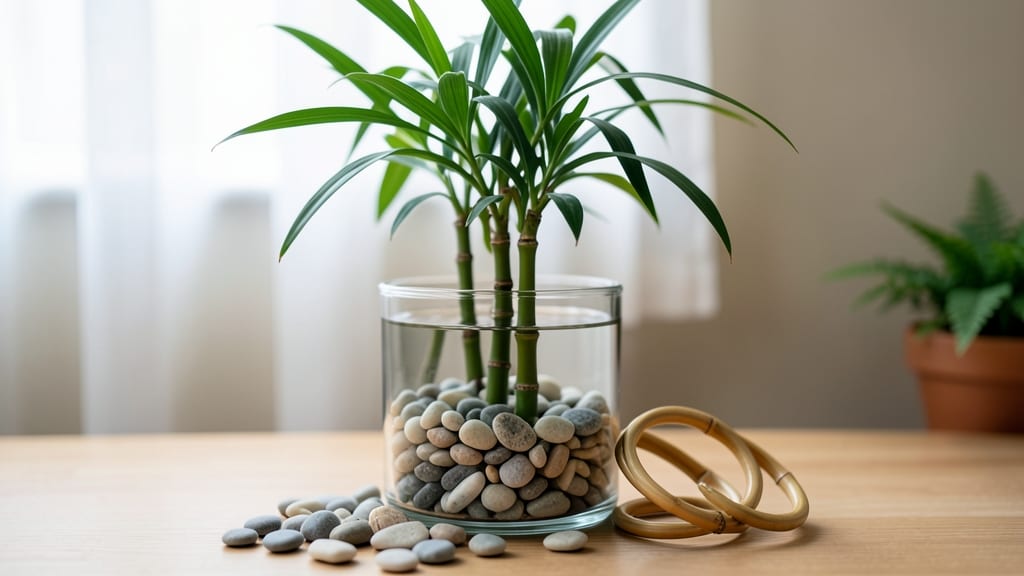
My bamboo hoops garden transformed a dull backyard corner into a lush, living privacy screen that’s more beautiful than any fence. 🌿 The secret lies in these simple, bendable hoops—perfect for training vines, flowers, and even edible plants—while keeping costs low and results high.
You’ll need just a few supplies: bamboo hoops (available at garden centers or online), sturdy posts, twine or zip ties, and fast-growing climbers like morning glories, clematis, or even pole beans.
The setup takes under an hour, and within weeks, you’ll have a wall of green that grows taller every season. No more peeking neighbors or boring wooden panels—just nature’s own privacy shield.
Imagine stepping into a garden where the air smells like jasmine at dawn or where your kids can pick fresh peas straight from the vine. This isn’t just a screen; it’s a living, breathing feature that changes with the seasons—spring blooms, summer shade, and autumn color.
The best part? It’s 100% customizable to fit your space, style, or even your favorite plants.
Whether you’ve got a small balcony or a sprawling backyard, bamboo hoops adapt effortlessly. They work in modern, cottage, or tropical gardens alike—just swap the plants to match your vibe. Ready to turn your yard into a green escape? Let’s build it together.
📚 In This Guide
- What you need
- Instructions
- Tips and common mistakes
- Wrapping up and next steps
What you need
- ● Bamboo hoops: 10–20 hoops (depending on desired height and length), each 12–18 inches in diameter. Look for untreated, natural bamboo for durability.
- ● Coconut coir or burlap: Enough to wrap each hoop (approximately 1–2 yards per hoop). This provides a sturdy base for plant roots.
- ● Clothespins or zip ties: 2–3 per hoop to secure the coir/burlap in place.
- ● Potting soil: A high-quality, well-draining mix (about 5–10 gallons, depending on hoop size). Consider adding perlite or compost for extra nutrients.
- ● Fast-growing plants: Choose trailing or climbing varieties like ivy, pothos, or creeping fig. You’ll need 1–2 plants per hoop.
- ● Watering can or hose with a gentle spray nozzle: For consistent moisture without damaging delicate plants.
- ● Scissors or utility knife: For trimming coir/burlap to fit the hoops.
- ● Measuring tape: To ensure even spacing between hoops (typically 6–12 inches apart).
- ○ Stakes or a trellis system: Optional but helpful for securing hoops vertically (especially for taller gardens).
- ○ Fertilizer (optional): A balanced liquid fertilizer (like 10-10-10) to boost plant growth every 4–6 weeks.
- ○ Mulch (optional): Wood chips or straw to retain soil moisture and suppress weeds.
Step-by-Step instructions for building a bamboo hoops garden
Transform your space with this elegant, functional system that combines natural materials and living plants for year-round beauty.
🪴 Step 1: Gather and Prepare Bamboo Hoops
Select 4-6 foot tall bamboo poles with 3-4 inch diameters for sturdy hoops—thicker poles handle wind better but require more effort to bend. Soak the poles in warm water for 24 hours to make them pliable before shaping. This prevents cracking when you force them into hoops.
Bend each pole into a 3-4 foot diameter circle using a wooden dowel as a guide. Secure the ends with galvanized wire or zip ties—avoid plastic ties that degrade in moisture. Space hoops 18-24 inches apart along your chosen line, ensuring they sit 6 inches deep in the ground for stability. I like to bury them at a 15-degree angle for better wind resistance.
🌱 Step 2: Install Support Structure and Trellis
Construct a wooden frame using 2x4s to create a rectangular base for your hoops. Attach the bamboo hoops to the frame with stainless steel screws—this prevents rust and ensures longevity. For added support, weave jute twine vertically between hoops to create a living trellis for climbing plants like ivy, jasmine, or morning glories.
Real talk: Skip the metal hardware if you're in a humid climate—it corrodes fast. Instead, use rot-resistant cedar posts and natural fiber ties for a seamless look. Bury the frame 4 inches deep and backfill with gravel to improve drainage around the roots of future plants.
💧 Step 3: Plant Fast-Growing Ground Cover and Climbers
Fill the space between hoops with a 3-inch layer of moisture-retentive soil mix—I blend equal parts potting soil, coconut coir, and compost. Plant creeping jenny, sweet potato vine, or pachysandra at the base for instant ground cover. These plants spread quickly, filling gaps within 4-6 weeks and creating a lush, green curtain.
Train climbing plants to wrap around the hoops by gently weaving vines through the jute twine. Water deeply 2-3 times per week until plants establish roots, then reduce to once weekly once foliage fills in. Mulch with 2 inches of shredded bark to retain moisture and suppress weeds—just don’t pile it against the hoops, or it’ll trap too much dampness.
✂️ Step 4: Maintain and Prune for Year-Round Growth
Prune overgrown vines in early spring to encourage bushier growth—cut back one-third of the previous year’s growth to stimulate new shoots. Fertilize lightly with balanced organic fertilizer every 6-8 weeks during growing season, but avoid heavy feeding, which can burn tender new leaves.
In fall, trim back dead or yellowed foliage but leave healthy stems to protect the structure over winter. If you’re in a cold climate, wrap hoops in burlap during frost to prevent cracking. I’ve found that evergreen climbers like English ivy hold up best in winter, while tender vines like morning glories need seasonal protection.
☀️ Step 5: Enhance with Seasonal Plantings
Swap out annuals seasonally for continuous color. Plant pansies or violas in early spring, geraniums or nasturtiums in summer, and heuchera or winter jasmine in fall. These additions soften the structure while keeping the garden dynamic. Just ensure new plants have well-draining soil—root rot is the fastest way to kill your living screen.
Here’s the thing—this system thrives on layering. Combine fast-spreading ground covers with medium-height shrubs (like dwarf boxwood) and tall climbers for depth. Within 3-4 months, you’ll have a privacy screen that’s 80% plant coverage—no fence required.
Tips & tricks for perfect bamboo hoops garden
Between us, this project transforms your outdoor space—but only if you nail the details. Here's how to avoid common pitfalls and create a living screen that lasts for years.
Soaking Secret: That 24-hour soak in warm water isn't just about flexibility—it's about preventing cracks. I learned this the hard way after forcing dry bamboo into hoops and ending up with splintered poles. Use lukewarm water (not boiling) and soak them completely, even if they're thick. Pro tip: Add a splash of vinegar to the water to prevent bacterial growth during soaking.
Structural Stability: The 15-degree angle and 6-inch burial depth in Step 1 aren't arbitrary—they're what keeps your hoops standing through wind and rain. If you're in a particularly windy area, consider adding diagonal cross-bracing between hoops using the same jute twine. For extra stability, drive cedar stakes at each corner of your frame and attach hoops to these stakes instead of just the frame.
Plant Selection Strategy: The key to year-round coverage lies in your plant choices. For maximum impact, pair fast-spreading ground covers like creeping jenny with evergreen climbers like English ivy. I've found that sweet potato vine gives instant color but needs summer watering, while pachysandra thrives in shade and stays green all winter. Layering these creates that 80% coverage within 3-4 months mentioned in the instructions.
Winter Protection: Don't skip the burlap wrap in cold climates—it's not just about the hoops. The insulation helps protect tender roots too. For extra winterization, add a 2-inch layer of straw mulch around the base after your first frost. This creates a thermal blanket that prevents soil temperature fluctuations, which can stress plant roots during freeze-thaw cycles.
Pro Tips for Bamboo Hoops Garden
- Between us, this project transforms your outdoor space—but only if you nail the details.
- Soaking Secret: That 24-hour soak in warm water isn't just about flexibility—it's about preventing cracks.
- Structural Stability: The 15-degree angle and 6-inch burial depth in Step 1 aren't arbitrary—they're what keeps your hoops standing through wind and rain.
Frequently asked questions
How long does it take for bamboo hoops to grow into a full privacy screen?
A bamboo hoops garden typically reaches full privacy (6–8 feet tall) in 1–2 growing seasons, depending on the plant variety and climate. Fast-growing climbers like ivy or morning glories can cover hoops in as little as 3–6 months, while slower options like clematis may take up to a year. Pro tip: Use a mix of vines for quicker coverage!
How often should I water my bamboo hoops garden?
Newly planted hoops need daily watering for the first 2 weeks to establish roots. After that, aim for 1–2 inches of water per week, adjusting for rain. Overwatering is a common mistake—check soil moisture before watering. Drip irrigation works best to keep hoops consistently hydrated without soggy roots.
Can I use bamboo hoops for edible plants, like herbs or vegetables?
Bamboo hoops are great for edible gardens, including herbs (basil, mint), cucumbers, or beans. Just choose non-toxic plants and avoid pesticides near edibles. Bonus: Trellised veggies grow straighter and yield more! For best results, use organic soil and fertilize lightly.
Will bamboo hoops survive winter, or do I need to remove them?
Most bamboo hoops are durable year-round, but plant choices matter. Evergreen climbers (like ivy or honeysuckle) stay lush in winter, while deciduous vines (e.g., wisteria) lose leaves but regrow in spring. Protect hoops in harsh winters by wrapping them in burlap or adding mulch at the base. No need to remove them!
What’s the best alternative if bamboo hoops aren’t available?
No bamboo? Try PVC pipes, metal cages, or wire mesh—all work for climbing plants. For a low-cost DIY option, repurpose old fencing or chicken wire into hoops. Just ensure the material is rust-resistant and sturdy. Bonus: Galvanized steel lasts the longest!
How do I keep pests away from my bamboo hoops garden?
Pests like aphids or spider mites can target climbing plants. Prevent issues with neem oil or insecticidal soap. Encourage beneficial bugs (like ladybugs) by planting companion flowers (marigolds, lavender). Prune regularly to improve airflow and reduce hiding spots for pests.
Wrapping up and next steps
Transforming your outdoor space with a bamboo hoops garden isn’t just about aesthetics—it’s a practical, eco-friendly way to add privacy, greenery, and even a touch of serenity to your yard. Whether you’re a DIY enthusiast or a plant lover, this project offers year-round benefits that grow with you. 🌿
Ready to take the next step? Start small—gather your materials, sketch a design, and let your green wall flourish! Plant one hoop today and watch your vision bloom tomorrow.