
Companion Plants
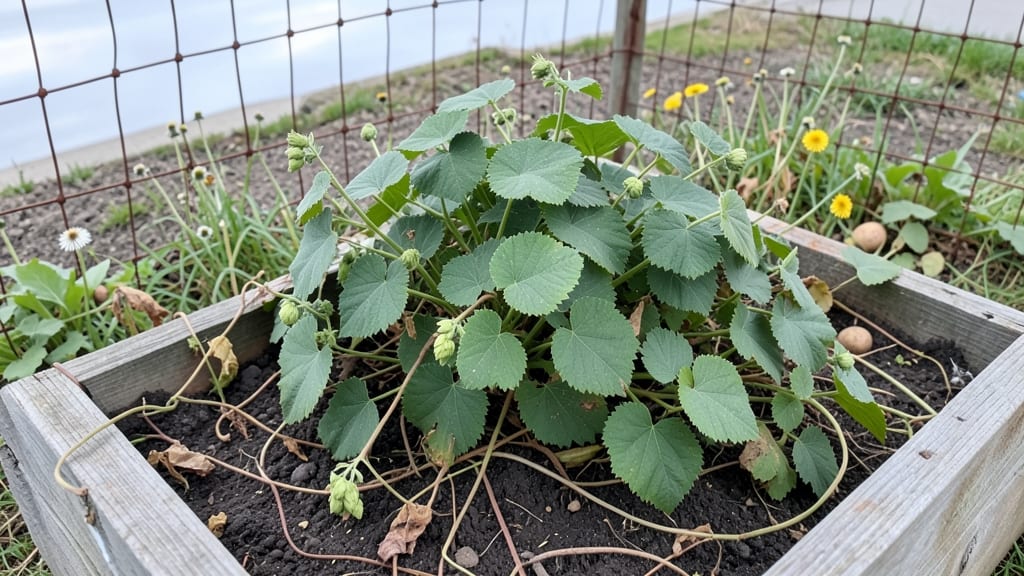
Beer and gardening can boost plant health by enriching soil with nitrogen-rich brewers’ yeast, which promotes root growth and microbial activity, while also deterring pests like slugs and snails when used as a natural spray. Use unsweetened beer in moderation to avoid over-fertilizing.
Using beer in gardening taps into the natural benefits of brewers’ yeast, which acts as a fertilizer by breaking down into nitrogen compounds that plants crave. 🌱 The yeast also creates an environment where beneficial microbes thrive, improving soil structure and nutrient availability.
For example, tomatoes and leafy greens—both heavy nitrogen users—often show stronger growth when exposed to this organic boost. Just remember: a little goes a long way, and sweetened beers can introduce unwanted sugars that attract pests.
Beyond soil enrichment, the alcohol in beer evaporates quickly, leaving behind a yeast residue that repels slugs and snails. This makes it a clever, cost-effective alternative to chemical pesticides.
I’ve found that mixing equal parts beer and water in a spray bottle works wonders for protecting young seedlings without harming the plants themselves. The key is consistency—reapply every few days during peak pest seasons for the best results.
💡 In This Article
- How Brewers’ Yeast Enhances Soil Fertility
- DIY Beer Spray Recipes for Pest Control
How brewers’ yeast enhances soil fertility
Brewers’ yeast contains up to 50% protein by weight, which breaks down into nitrogen compounds when incorporated into soil. This nitrogen—measured at roughly 1.5-2.5% by volume in fresh yeast—becomes immediately available to plants as ammonia (NH₃) and nitrate (NO₃⁻) through microbial decomposition.
The process begins within 24-48 hours of application, creating a rapid nutrient boost that’s especially valuable for fast-growing plants like lettuce or basil.
The yeast also stimulates soil microbes by providing a carbon source for their metabolism. These microbes, including bacteria and fungi, then break down organic matter more efficiently, creating a positive feedback loop.
Studies show that yeast-amended soil can increase microbial populations by up to 30% within 7-10 days, improving nutrient cycling. Unlike compost or manure—which take weeks to decompose—yeast’s effects are noticeable almost immediately, making it ideal for container gardens or raised beds where quick results matter.
Here’s where the chemistry gets interesting: beer’s pH (typically 4.0-4.5) temporarily acidifies the soil, which enhances the availability of phosphorus and iron—critical nutrients for root development. This is particularly beneficial for tomatoes, which thrive when soil pH hovers around 6.0-6.8.
The yeast’s enzymes also help dissolve mineral compounds in the soil, releasing bound nutrients like potassium that plants can absorb. Think of it as a natural chelating agent, similar to how citric acid in lemon juice helps extract iron from cooking pots.
For comparison, traditional compost delivers nitrogen at a slower rate (around 0.5-1.5% by volume) but provides a broader spectrum of nutrients over time. Manure offers similar nitrogen levels but often requires aging to avoid burning plants.
Yeast, however, strikes a balance: it’s 3-5 times faster than compost for nitrogen release while being gentler on plant roots than fresh manure. The trade-off? Its effects are short-lived—typically 4-6 weeks—so it works best as a supplement rather than a sole fertilizer.
One often-overlooked benefit is the yeast’s ability to improve soil structure. As it decomposes, it creates microscopic air pockets that enhance aeration, reducing compaction in heavy clay soils. This is especially useful for leafy greens like spinach or kale, which develop broader root systems in well-aerated soil.
The texture becomes lighter and crumbly, almost like adding a handful of sand to concrete—just enough to loosen the mix without overwhelming it.
To maximize these benefits, mix 1 tablespoon of dry brewers’ yeast per gallon of water and apply as a soil drench or foliar spray.
For pest control, use 1 part unsweetened beer to 2 parts water—the alcohol evaporates within 24 hours, leaving behind a yeast residue that slugs and snails find unpalatable. The key is consistency: reapply every 7-10 days during growing seasons for continuous microbial activity.
What most gardeners don’t realize is that the yeast’s benefits extend beyond nitrogen. It also contains B vitamins, which act as growth stimulants for plants, and trace minerals like zinc and copper that support enzyme function.
For example, zinc-deficient plants (common in sandy soils) show improved leaf development when yeast is applied—almost like giving them a vitamin shot. 🌱