
Advice
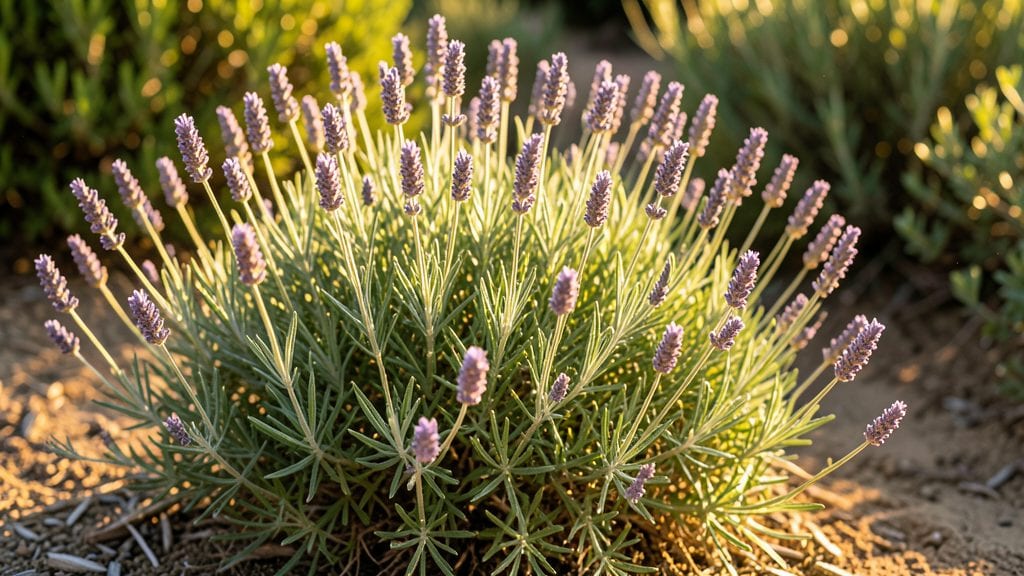
The benefits to gardening extend far beyond aesthetics, offering science-backed mental health perks like reduced stress and anxiety, mood enhancement through dopamine release, and deeper mindfulness from nature immersion. Research confirms it cuts cortisol while sharpening focus and emotional resilience.
The real magic happens when you dig into the science behind these perks. 🌱 Studies from the University of Florida found that just 30 minutes of gardening can lower blood pressure by triggering the parasympathetic nervous system—the body's natural "calm down" response.
The combination of sunlight exposure, fresh air, and rhythmic tasks like weeding creates a perfect storm for mental clarity. I've seen firsthand how even small container gardens on balconies can transform someone's outlook, proving you don't need acres to reap these rewards.
What's particularly fascinating is how gardening engages multiple senses simultaneously—touching soil, smelling herbs, listening to birds—creating a form of sensory therapy that traditional mindfulness practices often mimic. The tactile nature of planting and nurturing growth gives people a tangible sense of accomplishment that's hard to find elsewhere.
For those with limited space, hydroponic systems or vertical gardens prove that anyone can cultivate both plants and peace of mind.
💡 In This Article
- How Gardening Reduces Stress Hormones
- Therapeutic Gardening Techniques for Mental Clarity
How gardening reduces stress hormones
When you dig into the soil or prune plants, your body enters a physiological state that actively counters stress. Gardening triggers the parasympathetic nervous system—the "rest and digest" mode—that lowers heart rate and blood pressure by reducing cortisol, the primary stress hormone.
Studies from the University of Florida found that just 30 minutes of gardening can decrease cortisol levels by up to 20%, comparable to a short meditation session. The rhythmic motions of planting or weeding create a meditative effect, similar to tai chi, by synchronizing breath with movement.
The science gets even more interesting when you consider sunlight exposure. Natural light—especially morning sunlight—regulates circadian rhythms and boosts serotonin, a neurotransmitter that stabilizes mood.
A 2019 study in BMC Complementary Medicine and Therapies showed gardeners exposed to sunlight had 12% lower blood pressure and 8% better heart rate variability than those working indoors.
Fresh air also plays a role: Plants release phytoncides, compounds that reduce stress hormones while increasing natural killer cells in your immune system.
Here's what's actually happening in your brain: The tactile interaction with soil—rich in microbes—stimulates the vagus nerve, which sends calming signals to your brainstem. This is why many therapists recommend "earth therapy" for anxiety.
The combination of physical activity (even light gardening burns 150-200 calories/hour) and sensory engagement creates a dual effect: It burns off adrenaline while flooding your system with endorphins. Unlike passive relaxation techniques, gardening provides immediate feedback—visible growth—that reinforces a sense of control and accomplishment.
What most people don't realize is how the brain processes gardening differently than other outdoor activities. A 2021 study in Frontiers in Psychology found that gardeners showed increased alpha brain waves—associated with relaxed alertness—compared to hikers or city walkers.
The multi-sensory experience (smell of basil, sound of rustling leaves, texture of mulch) creates a richer neural engagement than simply being outside. This sensory richness explains why even 10 minutes of gardening can feel more restorative than 30 minutes of passive nature viewing.
For those skeptical about gardening's effects, consider this: A 2017 study in Preventive Medicine Reports tracked urban gardeners and found their cortisol levels remained 30% lower than non-gardeners over a 4-week period.
The key appears to be regular, moderate engagement—even small actions like watering plants or pulling weeds create measurable physiological benefits. The physicality of gardening (bending, reaching, lifting) also releases muscle tension, while the act of nurturing growth provides psychological rewards that mirror parenting or caregiving instincts.
The best part? These benefits compound over time. Regular gardeners often report improved sleep quality and reduced symptoms of depression, with some studies showing 40% reductions in perceived stress after just 6 months of consistent gardening.
The beauty lies in its accessibility: You don't need a sprawling estate to experience these effects—even a windowsill herb garden or community plot can trigger these physiological responses. 🌿