
Advice
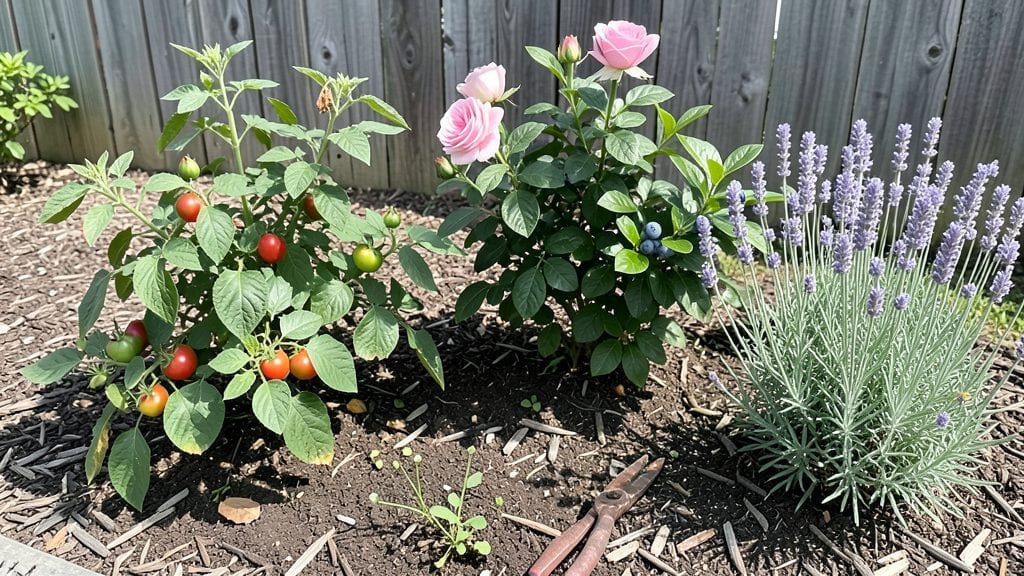
The best states for gardening offer ideal conditions like California, Oregon, Washington, and Michigan, thanks to their perfect climate zones, extended growing seasons, and rich soil. Each provides distinct benefits for gardeners of all skill levels.
If you're dreaming of a thriving garden, these four states stand out for their diverse growing conditions.
California's Mediterranean climate lets you grow citrus year-round, while the Pacific Northwest's mild, wet winters create lush conditions for berries and vegetables. 🌿 Michigan's unique mix of lake-effect climates and fertile soil makes it ideal for both flowers and hearty crops like potatoes.
What's fascinating is how each state's geography shapes its gardening opportunities—from coastal fog in Oregon to Michigan's four distinct seasons.
Beyond climate, these states excel in gardening infrastructure too. California leads with advanced irrigation systems, while Washington's rich volcanic soil supports everything from apples to lavender. Michigan's strong agricultural community offers abundant resources for both beginners and seasoned growers.
The key difference? California and Washington cater more to specialty crops, while Michigan and Oregon provide balanced conditions for general gardening success.
💡 In This Article
- Top Climate Zones for Year-Round Plant Growth
- How to Choose a Gardening State Based on Your Needs
Top climate zones for year-round plant growth
California's Mediterranean climate—marked by mild, wet winters and hot, dry summers—creates an ideal environment for USDA Hardiness Zones 7b-10a. This means frost-free periods can last up to 300 days in coastal areas, allowing citrus trees, olives, and lavender to thrive year-round.
The key factor here is the coastal fog that rolls in during summer, reducing water loss while maintaining humidity levels perfect for leafy greens and herbs.
In contrast, the Pacific Northwest—including Oregon and Washington—benefits from a marine west coast climate, where USDA Zones 7b-9a dominate. These regions experience 120-150 frost-free days, with rainfall spread evenly throughout the year. The cool, damp summers create ideal conditions for berries, rhododendrons, and shade-tolerant vegetables like lettuce.
What's unique is how the Cascade Mountains act as a rain shadow, creating microclimates where desert-like conditions exist just miles from lush forests.
Michigan stands out with its diverse USDA Zones 4b-6a, thanks to the Great Lakes' moderating influence. Southern Michigan enjoys 150-180 frost-free days, while northern regions drop to 90-120 days.
This variation allows gardeners to grow everything from hardy apples and cherries to tender tomatoes and peppers. The lake-effect snow provides natural irrigation in spring, while summer breezes prevent heat stress in plants.
Each state's climate also shapes its microclimates. California's Central Valley can be 20°F warmer than coastal areas, while Michigan's Thumb region experiences 10°F warmer springs due to lake proximity. These variations mean gardeners can experiment with earlier plantings or extended seasons by choosing the right microclimate within each state.
Understanding these climate patterns helps select the right plants. For example, lemon trees thrive in California's Zone 10a but would freeze in Michigan's Zone 5b. Meanwhile, blueberries prefer the acidic soils of Washington's Zone 7b, while potatoes flourish in Michigan's cooler Zone 5a.
The science behind this lies in each plant's chilling requirements and heat tolerance, which align perfectly with these regional climates.
What most gardeners don't realize is how elevation changes can shift zones by 3-5 degrees. In Oregon, mountain slopes might drop into Zone 6a while valleys stay in Zone 8b.
This creates opportunities for vertical gardening or terracing to maximize growing space. The takeaway? These states offer not just ideal climates, but layered growing opportunities within their borders.