
Blooming
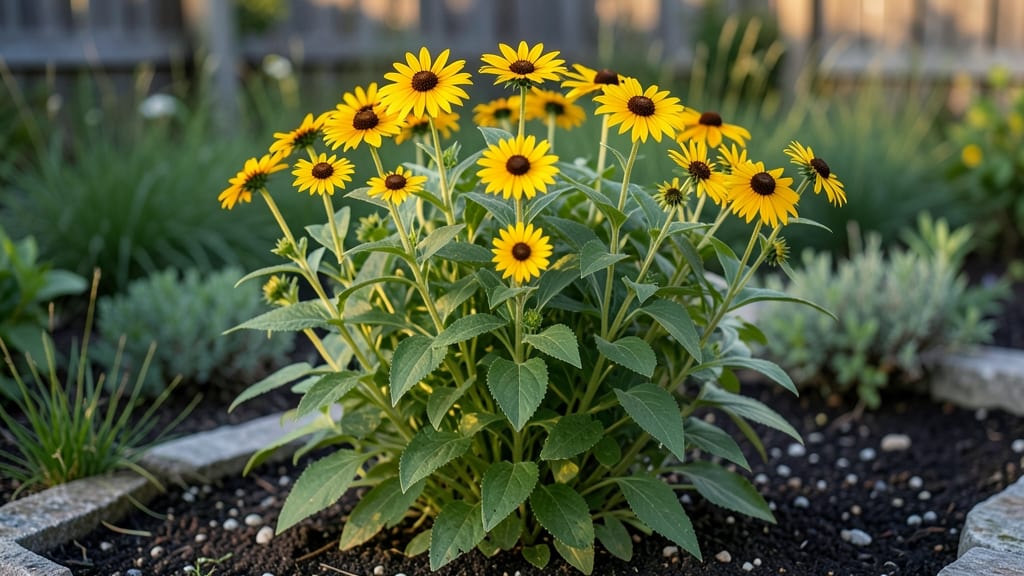
Drought-tolerant perennials turn your garden into a nonstop color show without the fuss of constant watering. 🌿 I used to dread summer’s brown patches, but swapping thirsty annuals for hardy perennials changed everything—now my garden bursts with blooms from spring through fall, even when it’s 100°F outside.
The secret lies in pairing the right plants: lavender for purple haze, black-eyed Susans for golden splashes, and Russian sage for airy blue plumes. Mix them in drifts, not rows, to create natural-looking beds that attract bees and butterflies.
My front yard now gets compliments year-round, and the best part? Once established, these plants thrive on rainwater alone.
You’ll end up with a garden that feels alive in every season—vibrant even in winter with evergreen foliage like sedum or heuchera, and spring’s first blooms from crocus and bleeding heart.
The color combinations are endless: purple-and-yellow pairings pop against silver foliage, while deep reds contrast beautifully with chartreuse.
Perfect for modern, cottage, or pollinator gardens—just swap out a few plants each year to keep the look fresh. Whether you’ve got a small patio or a big backyard, this approach works. Let’s design a garden that stays stunning without the water bill sticker shock.
📚 In This Guide
- What you need
- Instructions
- Tips and common mistakes
- Wrapping up and next steps
What you need
- ● Drought-Tolerant Perennial Plants: 1–3 Lavender plants (e.g., Lavandula angustifolia)
- ● 1–2 Sedum (e.g., Sedum 'Autumn Joy') – 1 gallon pots
- ● 1–3 Salvia (e.g., Salvia nemorosa) – 1 gallon pots
- ● 1–2 Yarrow (Achillea millefolium) – 1 quart pots
- ● 1–3 Russian Sage (Perovskia atriplicifolia) – 1 gallon pots
- ● Soil Amendments: 5 lbs Compost (for improving drainage and fertility)
- ○ 2–3 lbs Perlite or Pumice (to enhance aeration, optional but helpful)
- ● Mulch: 2–3 bags Gravel or Rock Mulch (1 cubic foot bags) – recommended for drought tolerance
- ● OR 1–2 bags Organic Mulch (e.g., straw or wood chips, 2 cubic feet bags)
- ● 1 Garden Trowel (for planting small pots)
- ● 1 Shovel or Spade (for digging larger holes)
- ● 1 Garden Gloves (to protect your hands!)
- ● 1 Watering Can or Hose with Adjustable Nozzle (for gentle watering)
- ● 1 Measuring Tape (to space plants 18–36 inches apart)
- ● 1 Pruners (for trimming dead foliage or shaping plants)
- ● Slow-Release Fertilizer (e.g., 10-10-10, 1 lb)
- ● Drip Irrigation Kit (for automated, efficient watering)
- ● Plant Labels (to track varieties and care needs)
- ● Decorative Stones or Stepping Stones (for pathways and aesthetics)
How to design a year-round drought-tolerant perennial garden
Here's my battle-tested approach to creating a vibrant, low-maintenance garden that thrives through every season.
🌱 Step 1: Select Plants for Seasonal Interest
Choose perennials that offer year-round color by selecting varieties with staggered bloom times and contrasting foliage. For example, pair lavender (spring-summer blooms) with sedum (late summer-fall color) and heuchera (winter interest from foliage). I always include at least three different bloom periods to ensure continuous visual appeal.
Prioritize native species—they've evolved to thrive in your local climate with minimal water. Check your USDA hardiness zone and select perennials rated for zones 5-9 if you're in a transitional area. For instance, Russian sage handles both dry heat and cold snaps beautifully. Look for plants labeled "drought-tolerant" on seed packets or nursery tags.
☀️ Step 2: Prepare the Soil for Water Efficiency
Start by removing all existing vegetation and loosen the soil to a depth of 12 inches using a broadfork or garden fork. This improves drainage and root penetration. Amend the soil with 3 inches of compost (from your ingredients list) to boost organic matter—this helps retain moisture while preventing compaction.
Incorporate 1-2 inches of coarse sand if your soil is heavy clay, as this creates air pockets that prevent waterlogging. I always mix in a slow-release organic fertilizer (like 5-5-5) at planting time to give roots a nutrient boost without encouraging excessive growth that would demand more water. Test your soil's pH—most drought-tolerant perennials prefer 6.0-7.0.
💧 Step 3: Plant with Proper Spacing and Mulch
Follow each plant's mature spacing guidelines—crowding leads to competition for water and nutrients. For example, lavender needs 2-3 feet between plants, while salvia can handle 18-24 inches. Dig holes twice as wide as the root ball but only as deep as the container's base to avoid burying the crown.
Water deeply after planting to settle the soil, then apply 3 inches of mulch (like wood chips or gravel) to suppress weeds and retain moisture. Keep mulch 2-3 inches away from plant stems to prevent rot. I always water once a week for the first month to help roots establish, then taper to every 2-3 weeks once plants are settled—this mimics natural rainfall patterns.
✂️ Step 4: Maintain with Minimal Watering
Once established, most drought-tolerant perennials need no additional watering beyond natural rainfall. Monitor soil moisture by checking 2 inches below the surface—if it feels dry, water deeply (about 1 inch per week). Use a drip irrigation system on a timer to deliver water slowly at the base of plants, reducing evaporation.
Deadhead spent blooms regularly to encourage more flowers and prevent self-seeding (unless you want it). Prune back one-third of the oldest stems in early spring to rejuvenate growth. I always fertilize lightly in early spring with a balanced organic fertilizer to support new growth without promoting thirsty foliage.
🌿 Step 5: Extend the Season with Layering
Add evergreen shrubs like dwarf boxwood or juniper for winter structure, and include ornamental grasses (such as maiden grass) for movement and texture. Plant bulbs like daffodils in fall for early spring color—they naturalize and return year after year with almost no care.
Incorporate succulents like sedum or sempervivum for drought resistance and modern contrast. Group plants by water needs to simplify maintenance—place thirstier perennials (like catmint) near a downspout or drip zone. This layered approach ensures your garden remains dynamic and visually engaging through all four seasons with minimal effort.
Tips & tricks for perfect year-round perennial gardens
Creating a thriving drought-tolerant garden isn't about luck—it's about strategic choices that build resilience from the ground up.
The Seasonal Layering Secret: In Step 5, when you're adding evergreens and ornamental grasses, think vertically as well as horizontally. Taller plants like Russian sage should go toward the back of borders, while shorter varieties like heuchera create visual interest at the front. This creates depth perception and ensures every season has something to offer at every height level. The key is to stagger bloom times so you're never without color—spring daffodils transition to summer lavender, then fall sedum, with winter heuchera keeping things lively.
Soil Science Matters: In Step 2, when amending your soil with compost and sand, don't just eyeball it—use the "fist method" for accuracy. A good rule of thumb is to mix in compost until your soil looks like a rich chocolate cake batter, and sand until it feels like damp beach sand. For clay soil, consider adding perlite at a 1:1 ratio with sand to improve aeration further. Remember that well-amended soil holds moisture better, reducing your watering needs by up to 40% once established.
Mulch Like a Pro: That 3-inch layer of mulch in Step 3 isn't just decoration—it's your garden's moisture shield. Apply it after watering deeply so the moisture gets to the roots before the mulch seals in humidity. For maximum effectiveness, use a combination of organic (like wood chips) and inorganic (like gravel) mulches. The organic breaks down to feed the soil, while the inorganic reflects sunlight away from the soil surface, keeping roots cooler. Just remember to keep it 2-3 inches away from stems to prevent rot.
Watering Wisdom: The one-week-to-two-week watering schedule in Step 4 might seem counterintuitive, but it's crucial for developing deep root systems. When you water, do it thoroughly—aim for that 1-inch measurement at the base of plants. This encourages roots to grow downward where moisture is more stable, rather than staying shallow where evaporation happens quickly. A soil moisture meter is worth the investment here; it helps you gauge when that 2-inch depth is actually dry rather than guessing.
Pro Tips for Blooms And Gardens
- Creating a thriving drought-tolerant garden isn't about luck—it's about strategic choices that build resilience from the ground up.
- The Seasonal Layering Secret: In Step 5, when you're adding evergreens and ornamental grasses, think vertically as well as horizontally.
- Soil Science Matters: In Step 2, when amending your soil with compost and sand, don't just eyeball it—use the "fist method" for accuracy.
Frequently asked questions
Got questions about creating a stunning, drought-tolerant garden? Here are some of the most common ones—and their answers!
What are the easiest drought-tolerant perennials for beginners?
Start with hardy, low-maintenance picks like lavender, sedum, or Russian sage. These thrive in dry conditions, require minimal water once established, and add vibrant color with little fuss. Salvia and yarrow are also great choices for their resilience and pollinator appeal!
How long does it take for drought-tolerant plants to establish?
Most perennials take 1–2 years to fully establish deep roots, reducing water needs. During this time, water deeply 1–2 times per week (depending on climate) to encourage root growth. After that, many only need water during extreme droughts or heatwaves!
Do I still need to water drought-tolerant plants if I don’t get rain?
Yes! While these plants are resilient, they still need initial moisture to root. Once established, most handle dry spells, but mulching (2–3 inches) helps retain soil moisture. Check soil moisture—if the top inch is dry, it’s time to water (but deeply, not frequently).
Can I mix drought-tolerant perennials with other plants?
Pair them with succulents, grasses, or native wildflowers for texture and pollinator support. Just avoid water-loving plants like hostas or ferns nearby. Group plants with similar water needs together to simplify care—this is called hydrozoning!
Will drought-tolerant gardens attract pests or lose blooms?
Not necessarily! Many drought-tolerant plants (like lavender or coneflower) repel pests naturally. However, aphids or spider mites may appear in extreme dryness. Keep soil healthy with compost, and remove spent blooms to encourage reblooming. Deadheading also boosts long-term color!
Wrapping up and next steps
Transforming your garden into a vibrant, drought-resistant oasis is easier—and more rewarding—than you think! 🌸 By embracing year-round blooms with perennials like lavender, coneflowers, and sedum, you’ll enjoy stunning color while conserving water and cutting back on maintenance. These hardy plants prove that beauty and sustainability go hand in hand.
Ready to take the next step? Start small—pick one or two perennials to test in your space, or sketch a simple layout to visualize your dream garden. Every bloom is a step toward a garden that thrives with nature, not against it. Happy planting! 🌱