
Container Gardens
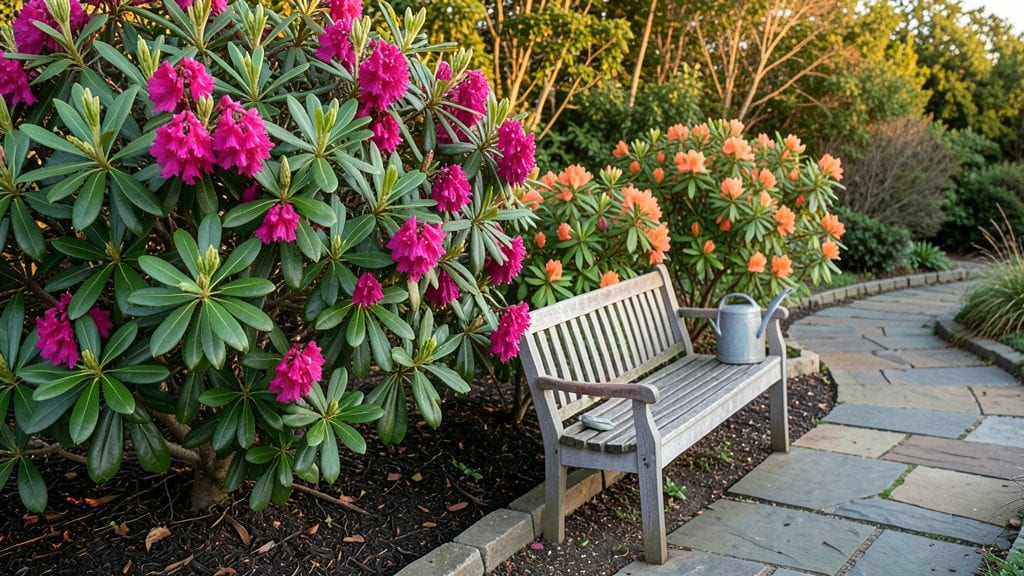
The Botanical Gardens Belfast spans over 200 acres of lush landscapes, showcasing rare tropical glasshouses, a historic walled garden, and iconic seasonal blooms like cherry blossoms—all with complimentary admission.
The Botanical Gardens Belfast isn't just a park—it's a living museum of horticultural history, blending Victorian-era plant exploration with modern conservation efforts. 🌿 The glasshouses alone house over 1,000 species, including the massive Victoria Amazonica water lilies, while the walled garden preserves heirloom varieties dating back to the 1800s. What makes it special is how seamlessly it connects nature with local culture, from the Japanese-inspired ponds to the wildflower meadows that change with every season.
Whether you're here for the cherry blossoms in spring or the camellias in winter, timing your visit matters—crowds peak during weekends, but weekdays offer quieter paths to explore hidden corners like the alpine rockery.
Pro tip: Grab a map at the entrance, as the glasshouses often host temporary exhibits that aren't always advertised online.
💡 In This Article
- Exploring Belfast Botanical Gardens’ Unique Plant Collections
- Tips for Visiting Belfast Botanical Gardens Like a Pro
Exploring belfast botanical gardens’ unique plant collections
The gardens are divided into distinct climatic zones that mirror global ecosystems, allowing visitors to experience everything from temperate woodland to humid tropical environments within a single visit.
The temperate zone features native Irish species like the mountain ash and rowan trees, while the tropical glasshouses maintain 70-85°F humidity levels year-round to nurture plants like the Victoria Amazonica, whose leaves can reach 9 feet in diameter—large enough to support a child's weight. 🌺
One of the most breathtaking seasonal displays occurs in late April to early May when the cherry blossoms transform the Japanese Garden into a pink canopy, a tradition inspired by Victorian-era plant exchanges.
The magnolias, blooming in May-June, release a heady fragrance that can be detected 50 feet away, while winter brings camellias with waxy petals that resist 32°F temperatures. The alpine garden showcases rare species like the Edelweiss, which thrives in cool, rocky conditions mimicking the European Alps.
The gardens' historical significance ties directly to Victorian botanical science, particularly the work of Sir Joseph Belfast, who championed plant conservation in the 1800s. The walled garden preserves heirloom vegetables and medicinal herbs from this era, while the glasshouse collections include plants collected during 19th-century expeditions to South America and Asia.
What's fascinating is how these historical collections now serve modern conservation—some of the rare orchids here are part of global breeding programs to prevent extinction. 🌿
Visitors often overlook the aromatic garden, where lavender, rosemary, and thyme grow alongside citrus trees that produce lemon and orange fruits year-round thanks to controlled microclimates.
The sensory experience here is unmatched—rubbing a lemon verbena leaf releases a citrus scent so intense it lingers on your skin for hours.
Even the soil composition varies by zone: the tropical glasshouses use peat-free compost with 50% perlite for drainage, while the alpine garden relies on gritty, mineral-rich soil to mimic mountainous conditions.
For plant enthusiasts, the Victoria Amazonica is the star attraction—a giant water lily that blooms at night, emitting a sweet, honey-like fragrance to attract beetles for pollination. Each bloom lasts only 48 hours before wilting, making timed visits crucial.
The glasshouse's humidity control system maintains 80% relative humidity through automated misting, creating an environment where these lilies can grow to their full 6-foot-tall potential. 🌸
The gardens also showcase biodiversity hotspots through themed sections like the Mediterranean terrace, where olive trees and bougainvillea thrive alongside cacti adapted to dry conditions. What's remarkable is how these diverse ecosystems coexist in such close proximity—something that would be impossible in nature.
This deliberate curation allows visitors to witness firsthand how climate zones shape plant evolution, from the delicate ferns of the temperate zone to the spiky agave of the desert section.