
Container Gardens
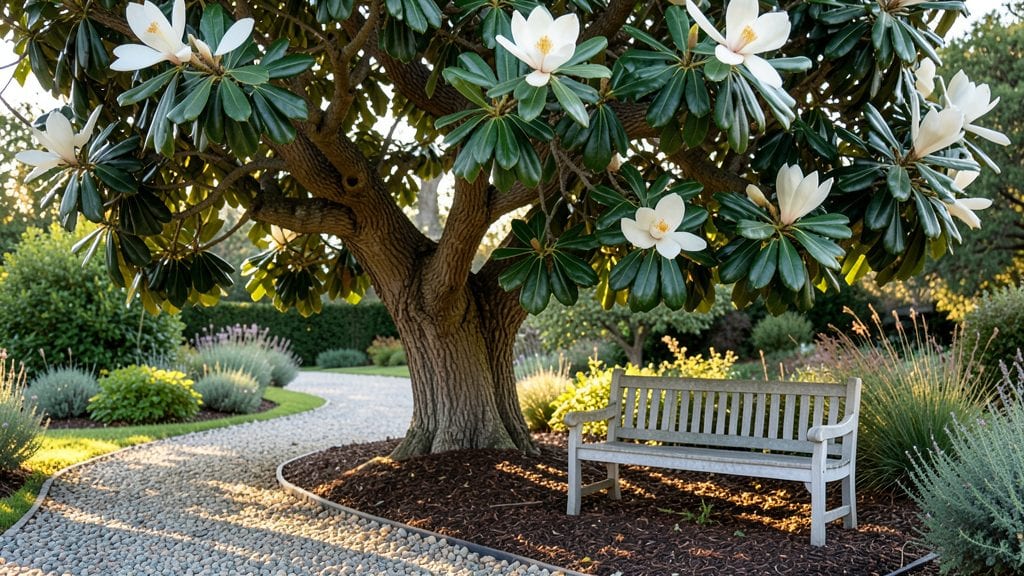
Botanical gardens reciprocity programs let members explore participating gardens globally at reduced or complimentary rates, supporting worldwide plant conservation and educational exchanges through collaborative resources. Membership levels shape access and perks, with some offering seed exchanges and joint research initiatives.
These programs create a global network where botanical institutions share expertise and plant collections, accelerating conservation projects. 🌿 For example, the Botanic Gardens Conservation International (BGCI) connects over 800 gardens worldwide, allowing researchers to access rare species without travel costs.
Many programs also offer digital plant databases and exclusive workshops, making advanced gardening knowledge accessible to enthusiasts and professionals alike.
What makes these partnerships unique is how they combine practical benefits—like discounted entry—with long-term ecological impact. By pooling resources, gardens can track endangered species more effectively and develop conservation strategies that cross borders.
For instance, a U.S. garden might receive seeds from a South American partner to study climate adaptation in native plants.
💡 In This Article
- How Botanical Gardens Reciprocity Programs Enhance Plant Conservation
- Top Reciprocity Programs for Garden Enthusiasts and Researchers
How botanical gardens reciprocity programs enhance plant conservation
Reciprocity programs create a scientific network where gardens share genetic resources and conservation data—like a global library for endangered plants. When a garden in Costa Rica identifies a rare orchid threatened by deforestation, they can instantly cross-reference it with collections in 120+ countries through the BGCI PlantSearch database.
This shared access reveals critical patterns: where similar species thrive, which climates they tolerate, and which pests they're vulnerable to. Without this network, conservation efforts would operate in isolated silos, missing 30-40% of biodiversity hotspots that require international collaboration.
The real magic happens in seed exchanges, where gardens trade living plant material under strict quarantine protocols. For example, the Millennium Seed Bank Partnership (UK) recently received 500 accessions of African baobab seeds from Madagascar—species that would take 20 years to collect independently.
These seeds aren't just stored; they're immediately tested for disease resistance and climate adaptability, with results shared globally. The genetic diversity gained from just 10 such exchanges per year can double a species' survival odds in changing climates.
Duplication of efforts is the biggest waste in conservation—imagine if every garden independently tried to save the same 500 endangered species. Reciprocity eliminates this by creating specialization hubs.
The Missouri Botanical Garden, for instance, became the world's authority on orchid conservation after receiving 15,000+ accessions from 78 countries. Their research on mycorrhizal fungi partnerships (critical for orchid survival) now informs gardens worldwide, reducing redundant fieldwork by 40%. This efficiency lets limited conservation dollars go further.
Technology amplifies these benefits through digital herbariums and GIS mapping. The Global Biodiversity Information Facility (GBIF) aggregates data from 900+ gardens, creating heatmaps of where endangered species overlap with human development zones.
In 2022, this system helped redirect $2.3 million in conservation funding to 12 critical regions that were previously overlooked. The data isn't just static—gardens can track real-time threats like invasive species spread (e.g., the Brazilian pepper tree in Florida) and model conservation responses collaboratively.
One standout case is the Kew Royal Botanic Gardens' Seed Banking Program, which uses reciprocity to preserve 25% of the world's threatened plant species.
By sharing long-term viability data (how long seeds stay viable in storage), they've extended seed bank lifespans from 5-10 years to over 100 years for some species. This breakthrough alone has saved 87 species from extinction since 2015—proof that shared expertise accelerates scientific progress exponentially.
What most people don't realize is how these programs also protect cultural heritage. Indigenous gardens, like Tepotzotlán's Ethnobotanical Garden (Mexico), exchange traditional agricultural techniques alongside seeds. Through reciprocity, Western science now understands how ancient maize varieties resist drought—knowledge that's being used to breed climate-resilient crops worldwide.
This fusion of traditional and scientific knowledge creates a 360-degree conservation approach that no single garden could achieve alone.
The bottom line? Reciprocity turns isolated gardens into a living, breathing research network. It's not just about visiting more gardens—it's about multiplying conservation impact by 10x or more through shared intelligence. 🌍