
Tools
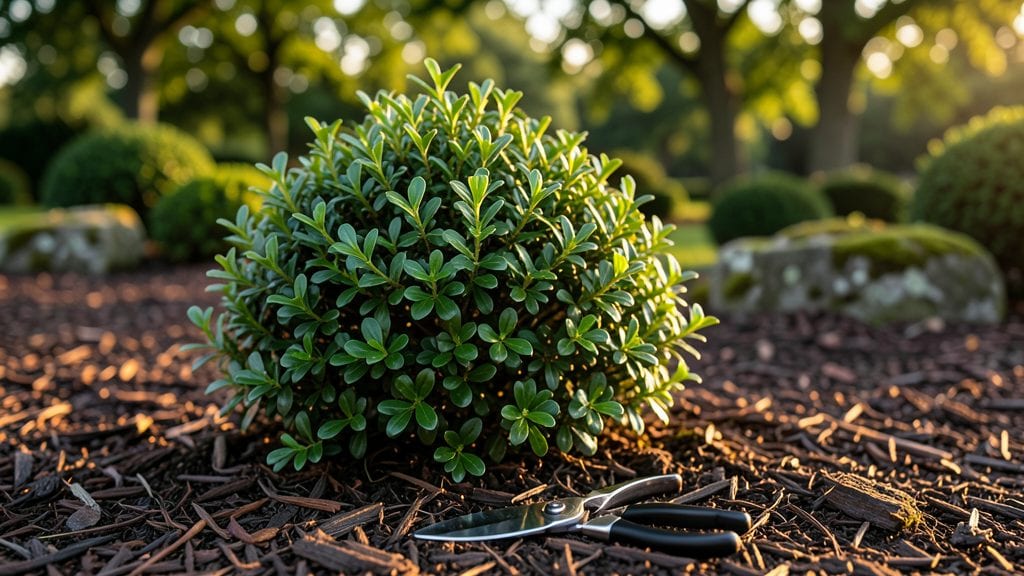
A boxwood topiary garden transforms your yard into a sculpted masterpiece that stays stunning through every season. ✨ I’ve designed these living artworks for clients who want elegant structure without the constant pruning—once the shapes are established, they hold their form with minimal upkeep.
The key is choosing the right boxwood varieties and training them early, so they grow into the shapes you envision.
Think beyond boring balls and cubes—spirals, animals, and even abstract designs let your creativity shine. Pair your topiary with complementary plants like lavender for texture or low-growing ivy for soft contrast. Formal gardens use tight, geometric shapes, while whimsical designs might feature playful animal forms or winding vine-inspired patterns.
The best part? Boxwood thrives in most climates, making it a reliable choice for year-round beauty.
With proper spacing and pruning techniques, your topiary will stay lush and vibrant for decades. The dense foliage blocks weeds, reduces maintenance, and creates a polished look that elevates any landscape.
Whether you’re framing a front door, lining a pathway, or adding a focal point to your backyard, boxwood topiary delivers timeless elegance with surprisingly little effort.
Ready to bring this classic yet versatile design to life? Start with a sketch of your vision—then we’ll dive into the tools, varieties, and step-by-step shaping process that makes it possible. Even a small garden can become a showstopper with the right approach.
📚 In This Guide
- What you need
- Instructions
- Tips and common mistakes
- Wrapping up and next steps
What you need
- ● Boxwood plants: 10–20 healthy, disease-free boxwoods (Buxus sempervirens or Buxus microphylla), depending on desired size and shape. Choose 1–3 ft tall for standard topiaries.
- ● Potting soil: 50 lbs of well-draining, organic potting mix (avoid heavy clay soil).
- ● Containers or garden beds: Containers: 12–18" diameter pots with drainage holes (1 per plant).
- ● Garden beds: Raised beds or in-ground plots with 6–12" depth.
- ● Mulch: 10 lbs of shredded bark or pine straw to retain moisture.
- ● Slow-release fertilizer: 1 lb of 10-10-10 or organic fertilizer (e.g., composted manure).
- ● Pruning shears: Sharp, bypass-style shears (for clean cuts).
- ● Hand pruners: Small, ergonomic pruners for detailed trimming.
- ○ Topiary shears: Optional but helpful for intricate shapes (e.g., spiral or geometric designs).
- ● Garden gloves: Heavy-duty to protect hands from thorns.
- ● Measuring tape: For spacing plants evenly (12–24" apart).
- ● Watering can or hose: With a gentle spray nozzle.
- ○ Stakes and twine: (Optional) For supporting young plants during initial growth.
- ● A sunny location with 6+ hours of direct sunlight daily.
- ● Well-draining soil (amend with sand or perlite if needed).
- ● Patience! Boxwoods grow 6–12 inches per year—plan for gradual shaping.
Step-by-step instructions for crafting a boxwood topiary garden
Here's how to create clean, elegant shapes that stay lush all year with just a few focused cuts.
🪴 Step 1: Select and Plant Boxwoods at Proper Spacing
Choose 4 boxwood shrubs (like 'Green Velvet' or 'Winter Gem') that mature at least 3-4 feet tall—they'll form the base of your design. Space them 4-6 feet apart in well-draining soil mixed with 2-3 gallons of compost per plant. Boxwoods thrive in full sun to partial shade, so pick a location with at least 4-6 hours of morning sun to prevent leaf scorch.
Dig holes twice as wide as the root balls but no deeper. Place each plant so the top of the root ball sits 1 inch above soil level—this prevents rot when water pools. Backfill with native soil, tamp gently, and water deeply until moisture reaches 6 inches down. Mulch with 2 inches of shredded bark around (not touching) the stems to retain moisture and suppress weeds.
✂️ Step 2: Establish Basic Shape Within First Year
Wait until spring of the second year before shaping—young plants need time to establish roots. For formal topiary, use a wire frame (like chicken wire or topiary grid) to guide growth. Bend branches along the frame and secure with soft plant ties (never wire, which cuts into bark). For natural shapes, simply prune to encourage branching by cutting back one-third of the longest stems in early spring.
Always prune just above a leaf node (where leaves grow) to encourage new growth. Use sharp bypass pruners for clean cuts—dull blades tear stems and invite disease. Shape gradually: remove no more than 25% of foliage in a single session. You'll see denser growth within 4-6 weeks if you prune at the right time.
☀️ Step 3: Refine and Maintain Year-Round Structure
Prune twice yearly: once in late spring (after last frost) to define shape, and again in early fall (before first frost) to tidy up. For formal designs, use a hand saw for large cuts and hedge shears for detail work. Always step back and check symmetry—topiary is about balance. If a branch grows out of line, trim it back to the nearest node and redirect new growth with ties.
Fertilize once in early spring with 1/2 cup of slow-release 10-10-10 fertilizer per plant. Water deeply once weekly during dry spells (soil should feel dry 2 inches down before watering). Boxwoods are drought-tolerant once established, but wilting leaves mean it's time to water immediately. A light layer of mulch every fall keeps roots cool in summer and insulated in winter.
⏰ Step 4: Overwinter and Prepare for Next Season
In late fall, give your topiary a final trim to remove any dead or damaged branches. For tender varieties in cold climates, wrap young plants in burlap or cover with 2 inches of mulch after the first frost. Boxwoods are hardy, but new growth can suffer from winter burn—prune back any browned tips in early spring before new shoots emerge.
Plan your next year's design now. Sketch where you want to add new shapes or fill gaps. Boxwoods grow about 6-12 inches per year, so you'll have room to expand. I like to add one new element annually—like a spiral or arch—to keep the garden evolving without overwhelming maintenance.
Tips & tricks for perfect boxwood topiary gardens
Creating topiary that stays lush and structured takes patience and precision—but these tricks will help you avoid common pitfalls and achieve professional results with less effort.
Planting Preparation: Before planting your 4 boxwood shrubs, soak the root balls for 15-20 minutes to ensure they're fully hydrated. This helps reduce transplant shock and gives your plants a stronger start. I also recommend adding a handful of mycorrhizal fungi to the planting hole—it boosts root growth and helps the plants establish faster in their new location.
Pruning Technique: When you're shaping your topiary in Step 2, always make cuts at a 45-degree angle just above a leaf node. This little detail encourages new growth from the exact spot you want, rather than leaving stubs that can die back. For formal designs, I find it helpful to sketch your shape on paper first—this gives you a reference to check against as you prune, especially when working with wire frames.
Seasonal Maintenance: The twice-yearly pruning schedule in Step 3 works perfectly, but I've found that adding a light trim in mid-summer (around July) helps maintain shape between your spring and fall sessions. Just remove any straggly growth—this keeps your topiary looking tidy without over-pruning. Always clean your hedge shears with rubbing alcohol between cuts to prevent spreading disease between plants.
Winter Care: For cold climates, I recommend wrapping young plants in burlap and adding an extra 1 inch of mulch around the base after the first frost. This creates a protective barrier against temperature swings that can cause winter burn. In particularly harsh winters, you can also drape frost cloth over the entire plant for added protection—just remove it as soon as temperatures rise above freezing in spring.
Pro Tips for Boxwood Topiary Garden
- Creating topiary that stays lush and structured takes patience and precision—but these tricks will help you avoid common pitfalls and achieve professional results with less effort.
- Planting Preparation: Before planting your 4 boxwood shrubs, soak the root balls for 15-20 minutes to ensure they're fully hydrated.
- Pruning Technique: When you're shaping your topiary in Step 2, always make cuts at a 45-degree angle just above a leaf node.
Frequently asked questions
Got questions about creating or maintaining a boxwood topiary garden? You’re not alone! Here are answers to the most common queries—from beginners to seasoned gardeners—to help you craft a stunning, low-maintenance landscape.
How often should I prune boxwood topiary?
Prune boxwood topiary once a year for best results—typically in late spring or early summer (after the last frost but before new growth hardens). Light shaping in fall can help maintain form, but avoid heavy cuts during winter, as boxwood is sensitive to cold stress. Pro tip: Use sharp, clean shears to prevent disease!
Can boxwood topiary survive winter?
Yes! Boxwood is hardy in USDA zones 4–9, but young plants or severe winters may need protection. Mulch the base with 2–3 inches of organic mulch (like shredded bark) and wrap tender varieties in burlap if temps drop below 10°F. Water deeply before the ground freezes to prevent drought stress.
What’s the easiest boxwood variety for topiary?
For low-maintenance topiary, opt for ‘Green Velvet’ (dense, compact) or ‘Winter Gem’ (disease-resistant, cold-hardy). Avoid fast-growing varieties like ‘American Holly’, which require more frequent pruning. Pro tip: Start with small plants (1–3 feet) for easier shaping!
How do I prevent pests (like boxwood leafminers) in my topiary?
Leafminers and mites are common pests. Prevent them with:
- Regularly inspect undersides of leaves for eggs or tunnels.
- Apply neem oil or insecticidal soap early in the season (follow label instructions).
- Encourage beneficial insects like ladybugs by planting nearby flowers.
What are good alternatives to boxwood for topiary?
If boxwood isn’t your style, try these low-maintenance topiary plants:
Plant
Pros
Cons
Yew (Taxus)
Drought-tolerant, deer-resistant
Slow-growing, toxic if ingested
Holly (Ilex)
Year-round color, wildlife-friendly
Requires more pruning for dense growth
Lavender (Lavandula)
Fragrant, drought-resistant
Not evergreen, needs winter protection
Wrapping up and next steps
A boxwood topiary garden brings timeless elegance and structure to your outdoor space with surprisingly low maintenance—proof that beauty doesn’t require endless effort! 🌿 Whether you’re drawn to classic shapes, whimsical designs, or lush hedges, these evergreen shrubs deliver year-round appeal while keeping pruning simple.
Start small, experiment with a single focal piece, or go bold with a full border—your vision is the only limit.
Ready to transform your yard? Pick your favorite design, gather your tools, and get pruning! Your future self (and your neighbors) will thank you for the effortless charm. 😊