
Pests and Diseases
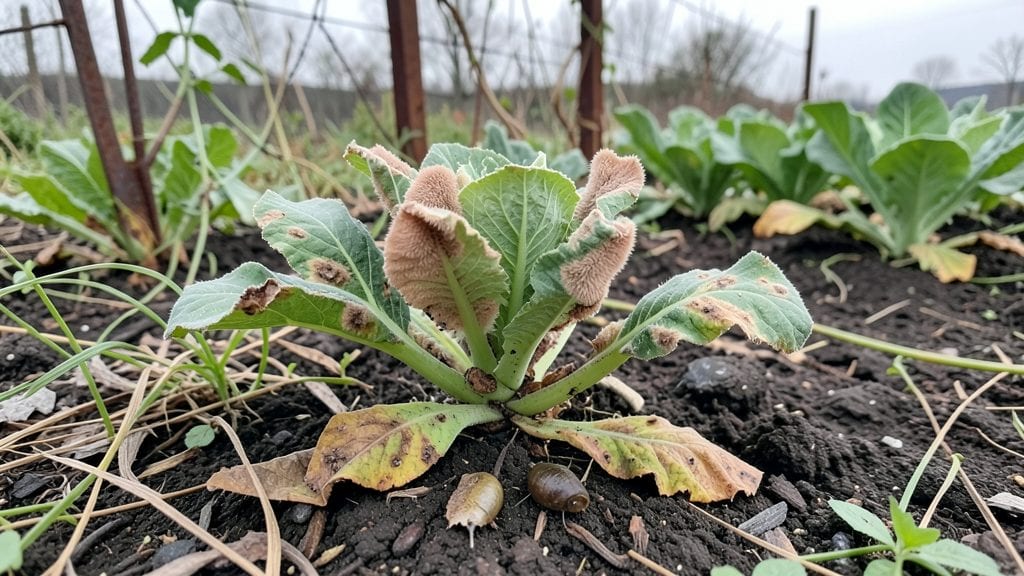
Seeing brown fungi creep across your garden beds is like finding an unwelcome guest at a party—it ruins the vibe and threatens everything you've worked for. 🌱 I've battled everything from powdery mold on lettuce to stubborn Rhizoctonia on strawberries, and I've learned the key isn't just removing the fungi but fixing what lets it move in.
The good news? You can clear it up without sterilizing your soil or breaking the bank.
Most brown fungi show up because your garden is too damp, too crowded, or smothered in old debris. Overwatering creates the perfect damp blanket they love, while poor airflow lets them spread like wildfire.
I once lost a whole row of tomatoes to Sclerotinia because I ignored the early signs—yellowing leaves and fuzzy brown spots—until it was too late. The fix starts with better spacing, less frequent watering, and clearing out last season's plant waste.
You'll get rid of it by combining physical removal (snipping infected stems) with natural deterrents like copper fungicide or compost tea. Within a few weeks, your plants will bounce back with fresh green growth, and the soil stays healthy for next season.
The real win? Your garden becomes resistant to future invasions when you address the root causes.
Works for vegetable patches, flower beds, or even houseplants struggling with humidity. Let's turn that brown mess into lush, thriving plants without the harsh chemicals.
Understanding Root Causes
Brown fungi in your garden aren’t just an eyesore—they’re often a sign of underlying issues that, if ignored, can weaken plants and disrupt soil health. Let’s break down the key reasons why these fungal invaders appear, so you can address them effectively without harming your garden’s ecosystem.
Fungi thrive in damp, oxygen-deprived environments, making excess moisture their ideal breeding ground. When soil stays soggy for prolonged periods—whether from heavy rainfall, overwatering, or compacted soil—fungal spores germinate and spread rapidly.
Brown patches on leaves or stems are often a direct result of Rhizoctonia or Phytophthora species, which exploit soggy conditions to infect plant tissues.
Why it happens:
- Stagnant water cuts off oxygen, creating anaerobic zones where fungi dominate.
- Clay-heavy or compacted soil prevents water drainage, trapping moisture at root levels.
- Poor air circulation in dense plantings or mulch layers traps humidity, accelerating fungal growth.
Actionable fix: Improve drainage by amending soil with compost or sand, and avoid watering at night to allow foliage to dry.
Fungi love low-light, high-humidity environments—think dense foliage, shaded corners, or greenhouses with poor ventilation. Brown fungal growth, like Botrytis (gray mold) or Alternaria, often appears on leaves, flowers, or fruit in these conditions. The lack of sunlight weakens plants, making them more susceptible to infection.
Why it happens:
- Reduced UV exposure lowers plant defenses, while moisture lingers on surfaces.
- Stagnant air in tight spaces prevents evaporation, keeping spores active.
- Organic debris (fallen leaves, mulch) provides food and shelter for fungi.
Actionable fix: Prune plants for better airflow, space them to allow sunlight, and remove debris regularly.
Fungi flourish when soil lacks balanced nutrients, particularly nitrogen, phosphorus, or potassium. While some fungi are natural decomposers, others exploit weakened plants. Brown discoloration on roots or stems can signal Fusarium or Pythium infections, which target stressed plants with poor nutrition.
Why it happens:
- Excess nitrogen (from synthetic fertilizers) promotes lush foliage but weakens roots, making them vulnerable.
- Low potassium reduces disease resistance, while deficient phosphorus hampers root development.
- Improper pH levels (too acidic or alkaline) disrupt beneficial microbes, allowing fungi to dominate.
Actionable fix: Conduct a soil test and amend with compost or organic fertilizers to restore balance.
Cuts, bruises, or even insect bites create entry points for fungi. Brown spots or lesions often appear where plant tissue is compromised—whether from pruning, hail, or pests. Fungi like Cercospora or Septoria exploit these wounds, leading to further decay.
Why it happens:
- Improper pruning leaves jagged edges that trap moisture and invite infection.
- Mechanical stress (e.g., foot traffic, tools) damages plant cells, making them susceptible.
- Pest activity (e.g., slugs, aphids) weakens plants, opening doors for fungi.
Actionable fix: Use sterilized tools, prune correctly, and monitor for pests to minimize damage.
Pro Tip: 💡 Most fungal issues stem from environmental stress. Start by improving airflow, drainage, and plant health—nature’s best defense!
Fixing Brown Fungi Naturally
Brown fungi in your garden can feel like a stubborn opponent, but with the right approach, you can restore your plants without harming the soil. Below, we’ve mapped out practical, eco-friendly solutions tailored to the most common causes—so you can tackle the issue head-on and keep your garden thriving.
1. Overwatering or Poor Drainage
Symptoms: Soft, mushy stems, brown patches on leaves, and a damp, musty smell.
How to Fix It: 🔥 Adjust Your Watering Routine
- Water only when the top 1–2 inches of soil feel dry. Stick your finger in the soil to test—if it’s damp, wait.
- Water deeply but less frequently to encourage strong root growth and prevent soggy soil.
🍳 Improve Soil Drainage
- Amend heavy or compacted soil with organic matter like compost, coconut coir, or perlite to help water drain faster.
- If planting in containers, ensure pots have drainage holes and use a well-draining potting mix.
👨🍳 Raise Garden Beds or Use Containers
- For problematic areas, consider elevated beds or container gardening to prevent water pooling.
💡 Pro Tip: If your garden has clay soil, mix in sand or grit to improve aeration and drainage over time.
2. Fungal Infections (e.g., Root Rot, Leaf Spot)
Symptoms: Brown, crusty spots on leaves, wilting plants, or blackened roots.
How to Fix It: 🔥 Remove Infected Plant Material
- Snip off brown or diseased leaves with clean pruners and dispose of them in the trash (not compost).
- For severely infected plants, pull them up and destroy them to prevent spread.
🍳 Apply Natural Fungicides - Baking Soda Spray: Mix 1 tbsp baking soda + 1 tsp dish soap + 1 gallon of water. Spray on leaves every 7–10 days. - Neem Oil: Dilute 1 tbsp neem oil + 1 tsp mild soap in 1 quart of water.
Spray on foliage and soil (avoid spraying in direct sunlight). - Copper Fungicide: Use an organic copper-based spray (like Bordeaux mixture) for stubborn fungal issues.
👨🍳 Boost Plant Immunity
- Strengthen plants with compost tea or a kelp-based fertilizer to improve their natural resistance.
- Avoid overhead watering—water at the base of plants in the morning to allow foliage to dry quickly.
💡 Pro Tip: Space plants properly for good airflow—crowded gardens trap moisture and encourage fungal growth.
3. Soil pH Imbalance (Too Acidic or Alkaline)
Symptoms: Yellowing leaves, stunted growth, or brown tips despite proper watering.
How to Fix It: 🔥 Test Your Soil
- Use a DIY soil pH test kit (available at garden centers) or send a sample to a local extension office for analysis.
🍳 Adjust pH Naturally
- For Acidic Soil (pH < 6.0):
- Add lime (calcium carbonate) or wood ash (sparingly) to raise pH.
- Mix in composted pine needles or peat moss for a slow acidifying effect.
- For Alkaline Soil (pH > 7.5):
- Incorporate sulfur or elemental sulfur to lower pH gradually.
- Use composted leaves, coffee grounds, or pine bark to acidify over time.
👨🍳 Monitor & Rebalance
- Retest soil every 3–6 months until pH is in the ideal range (6.0–7.0 for most vegetables and flowers).
💡 Pro Tip: If your soil is extremely imbalanced, consider raising beds with a mix of topsoil, compost, and peat moss for better control.
4. Compacted or Nutrient-Depleted Soil
Symptoms: Slow growth, brown patches, and plants struggling to establish roots.
How to Fix It: 🔥 Aerate the Soil
- Use a garden fork to loosen compacted soil without disturbing roots too deeply.
- For lawns, rent a core aerator to pull out small soil plugs and improve air circulation.
🍳 Add Organic Matter
- Spread a 2–3 inch layer of compost over the soil and lightly mix it in.
- Top-dress with well-rotted manure or leaf mold for long-term soil health.
👨🍳 Use Mulch to Protect Soil
- Apply straw, wood chips, or shredded leaves to retain moisture, regulate temperature, and prevent soil compaction from foot traffic.
💡 Pro Tip: Avoid walking on garden beds—use stepping stones or boards to protect soil structure.
Once you’ve treated the brown fungi, keep it from coming back with these habits: ✨ Rotate crops annually to prevent soil-borne fungi from building up. ✨ Plant disease-resistant varieties (check seed packets for labels). ✨ Clean tools with rubbing alcohol after pruning to avoid spreading spores. ✨ Encourage beneficial microbes by adding mycorrhizal fungi or compost tea. ✨ Avoid over-fertilizing with nitrogen—too much can weaken plants and invite pests.
By addressing the root cause (literally and figuratively), you’ll not only eliminate brown fungi but also create a healthier, more resilient garden—naturally! 🌿
Frequently asked questions
What do brown fungi in my garden look like?
Brown fungi often appear as fuzzy, crusty patches on leaves, stems, or soil. Some types form circular rings (like fairy rings), while others create powdery coatings or dark, water-soaked spots. Check for soft, mushy texture—this signals active decay rather than harmless mold.
Is brown fungi always harmful to my plants?
Not all brown fungi are dangerous. Some decompose organic matter naturally, but aggressive types like Rhizoctonia or Sclerotinia attack roots and stems. Look for wilting, yellowing, or dying plants—these are red flags. When in doubt, remove suspicious growth and monitor plants for stress.
How do I safely remove brown fungi without chemicals?
Start by trimming infected plant parts with sterilized scissors and disposing of them in the trash (not compost). For soil-based fungi, spread a 1-inch layer of dry sand or diatomaceous earth around affected areas. Repeat weekly until growth disappears—this disrupts fungal spores without harming soil microbes.
Can brown fungi spread to other plants in my garden?
Yes, especially if spores are airborne or carried by water. Fungi like Botrytis spread rapidly in humid conditions. Isolate infected plants immediately, avoid overhead watering, and clean tools between uses with rubbing alcohol to prevent cross-contamination.
Will mulch make brown fungi worse?
Only if it’s too thick or made from diseased organic matter. Use straw or wood chips (not leaves or grass clippings) and keep it 2–3 inches deep. Thin mulch improves airflow while suppressing weeds—just avoid piling it against plant stems.