
Watering
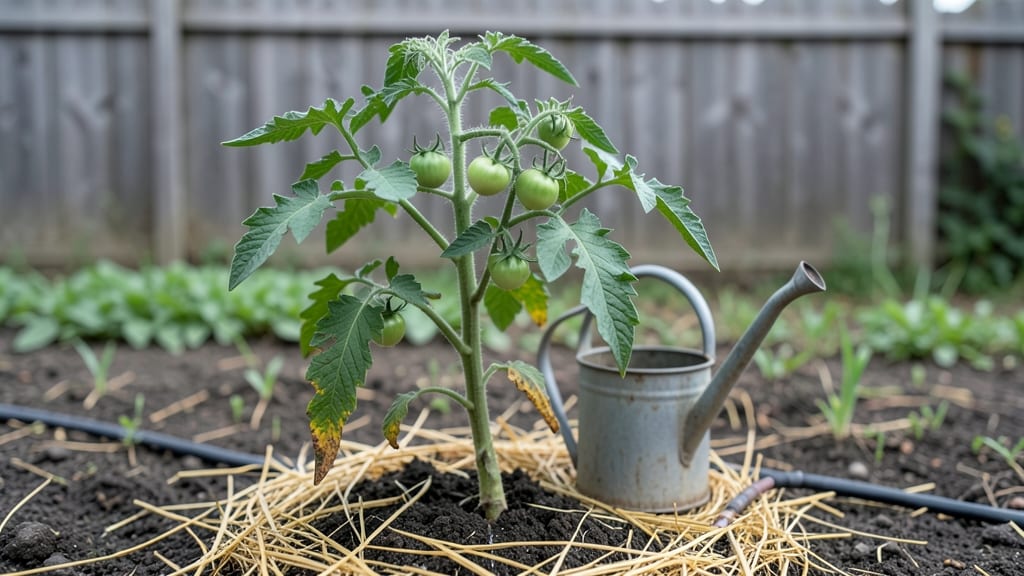
Watering your garden at night harms plants by creating ideal conditions for fungal growth, attracting pests like slugs, and preventing proper evaporation, which leaves soil unnaturally saturated. Early morning or late afternoon watering promotes stronger roots and reduces disease risks.
Nighttime watering turns your garden into a damp playground for fungi and pests. 🌙 The cooler temperatures and lack of sunlight slow evaporation, leaving soil clammy for hours—perfect conditions for powdery mildew and root rot.
I’ve seen slug populations explode overnight after evening watering, while morning hydration lets foliage dry quickly, keeping plants resilient. Even the timing of watering affects nutrient uptake, with roots absorbing moisture more efficiently when the sun is active.
For best results, aim for 6–8 AM watering when temperatures rise naturally, or 4–6 PM to give plants a full day to dry. Overhead sprinklers at night also waste water through wind drift, while drip irrigation systems deliver moisture directly to roots without wetting leaves—reducing fungal risks entirely.
Pro tip: Check soil moisture with your finger before watering; if the top inch feels damp, wait another day.
💡 In This Article
- How Night Watering Damages Plant Health
- Optimal Garden Watering Times and Techniques
How night watering damages plant health
When you water at night, you're essentially trapping moisture in the soil for extended periods. The cooler temperatures slow evaporation rates by up to 70% compared to daytime, creating a humid microclimate that fungi like Phytophthora (root rot) and Erysiphe (powdery mildew) thrive in.
These pathogens need just 12-24 hours of continuous moisture to infect plants, and night watering provides exactly that. The leaves stay damp overnight, preventing the natural drying process that would otherwise inhibit fungal spores from germinating.
This prolonged dampness also creates a buffet for pests.
Slugs and snails, for example, can detect moisture gradients and are drawn to night-watered gardens like moths to a flame. 🌙 Studies show slug populations can increase by 300% in gardens watered after sunset, as they seek out the moist conditions to lay eggs and feed.
Even beneficial insects like ladybugs avoid these conditions, disrupting the garden's natural pest control balance. The soil's texture becomes softer and more compacted from constant moisture, making it easier for roots to suffocate as oxygen levels drop below 10%—critical for root respiration.
The excess humidity doesn't just affect the soil; it weakens plant stems over time. When stems remain damp for prolonged periods, their cell walls become less rigid, making them more susceptible to breaking under wind or rain.
This is particularly noticeable in plants like tomatoes or peppers, where stems can develop a spongy, mushy texture when consistently watered at night. The plant's natural defenses, like waxy cuticles on leaves, also become less effective at repelling pathogens when constantly wet.
Here's what happens at the cellular level: Fungal spores land on damp leaves and germinate within 6-8 hours in humid conditions. These spores then penetrate the leaf surface, creating infection points that can spread rapidly.
In contrast, daytime watering allows leaves to dry within 2-4 hours, giving the plant's natural antifungal compounds time to activate. The difference in evaporation rates between night and day can be dramatic—soil moisture can remain 20-30% higher overnight, creating the perfect storm for plant diseases.
Consider the case of powdery mildew, a common fungal disease that thrives in these conditions. In a 2018 University of California study, plants watered at night showed 40% higher mildew incidence compared to those watered in the morning.
The fungal hyphae spread more aggressively in the cooler, humid night air, while daytime watering allowed the plants to dry quickly and develop resistance. This isn't just about aesthetics—severe fungal infections can reduce plant growth by up to 50% and even kill young seedlings entirely.
Even the roots suffer from this nighttime moisture trap. Roots need oxygen to function properly, and waterlogged soil can reduce oxygen availability to dangerous levels. When soil remains saturated overnight, roots may start to suffocate, leading to a condition called anaerobic stress.
This stress triggers the production of ethylene gas, a plant hormone that signals distress and can stunt growth or cause root rot. Over time, this weakens the plant's entire structure, making it more vulnerable to other stresses like drought or pests.