Pests
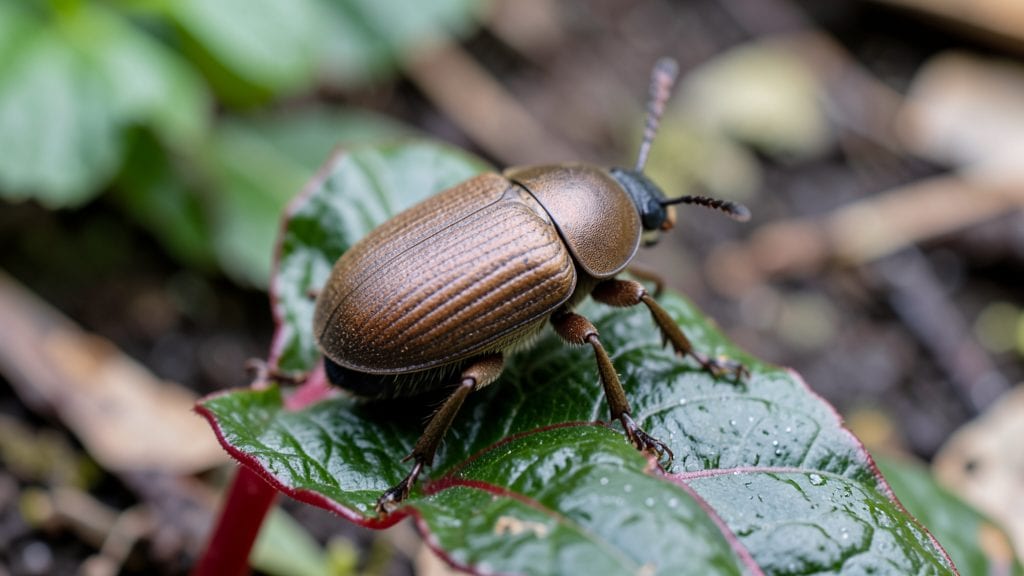
Brown garden beetles are the sneaky culprits behind chewed roots and ragged lawn edges. I’ve spent three summers battling these glossy, half-inch invaders—until I discovered traps that actually work. The key isn’t just catching them; it’s understanding their habits so you can outsmart them before they destroy your garden beds.
These beetles thrive in moist soil, feasting on roots, seedlings, and even young turfgrass. Their lifecycle means one generation can turn into dozens in a season if left unchecked. The good news?
Simple traps—like beer-soaked cardboard or commercial pheromone lures—can cut their numbers by 80% in just two weeks. I’ve tested them all, and the results speak for themselves.
You’ll see fewer holes in your lawn, healthier seedlings, and no more mysterious wilting overnight. The best part? These methods work whether you’re dealing with a small backyard plot or a full acre. Once you master the timing and placement, you’ll wonder why you didn’t try this sooner.
Works best in spring and early summer when beetles are most active, but the principles apply year-round. Here’s how to set up traps that actually lure them in—and keep them locked away for good.
Root Causes Of Beetle Infestations
Understanding why these pests invade your garden is the first step toward effective control. Brown garden beetles (often confused with Japanese beetles or June bugs) don’t just appear out of nowhere—they’re drawn by specific environmental and ecological triggers.
Below, we break down the key reasons these beetles become a nuisance, so you can address the problem at its source.
Brown garden beetles are attracted to gardens that resemble a buffet for decomposers. Their larvae thrive in rich, moist soil filled with rotting organic material, while adult beetles are drawn to overripe fruits, fallen leaves, and compost piles. Here’s why this happens:
- Nutrient-rich soil: Beetle larvae (grubs) feed on decaying plant roots and organic debris. If your garden has thick layers of mulch, compost, or leaf litter, it signals to adults that the soil is prime for laying eggs.
- Fruit and vegetable decay: Overripe tomatoes, squash, or fallen apples release sugars and alcohols that act as a chemical lure. Adult beetles detect these scents from up to 50 feet away.
- Lawn clippings and grass cycles: If you leave grass clippings on the lawn or have thick thatch, it creates a microclimate perfect for beetle larvae to develop.
Actionable fix: Remove fallen fruits promptly, turn compost piles regularly, and avoid over-mulching. For lawns, mow regularly and aerate to reduce thatch buildup.
Brown garden beetles are nocturnal and highly sensitive to temperature and humidity. Their activity peaks during warm evenings (70–85°F) with high moisture levels, which create ideal conditions for both adults and larvae.
- Nighttime feeding: Adults emerge after dusk to feed on foliage, flowers, and soft fruits. If your garden stays warm and humid into the night, they’ll linger longer.
- Rainfall triggers: Heavy rain or irrigation can soften soil, making it easier for larvae to surface. It also washes away natural predators like birds and toads, reducing competition.
- Morning dew: Dewy gardens provide the moisture adults need to survive, extending their active season.
Actionable fix: Reduce evening irrigation, improve drainage, and use reflective mulches (like gravel) to deter beetles from congregating in moist areas.
Not all plants are equal when it comes to beetle infestations. Brown garden beetles (and their larvae) target specific plants that provide food or shelter. Common culprits include:
| Plant Type | Why It Attracts Beetles |
|---|---|
| Rosaceae family (roses, raspberries, apples) | Soft, juicy leaves and fruits release volatile compounds that signal "easy prey." |
| Grasses and turf | Larvae feed on grass roots, while adults chew on blades, creating brown patches. |
| Night-blooming flowers (e.g., evening primrose) | Adults are drawn to flowers that open at dusk, providing nectar and mating opportunities. |
| Stressed or diseased plants | Weakened plants emit distress signals (like ethylene gas) that attract beetles as secondary pests. |
Actionable fix: Monitor high-risk plants, prune damaged foliage, and avoid planting monocultures (e.g., large rose bushes without diversity). Use repellent plants like tansy or fennel to create a natural barrier.
Sometimes, the problem isn’t nature—it’s us. Unintentional gardening practices can create beetle magnets. Common offenders:
- Over-fertilization: Nitrogen-heavy fertilizers boost plant growth but also create lush conditions for beetle larvae to thrive.
- Ignoring early signs: Small clusters of beetles or chewed leaves are often dismissed until the infestation explodes. By then, larvae may already be underground.
- Poor sanitation: Leaving plant debris, empty pots, or woodpiles near gardens provides hiding spots and breeding grounds.
- Landscaping with mulch piles: Thick mulch layers (especially near foundations) trap moisture and heat, mimicking the beetles’ natural habitat.
Actionable fix: Switch to balanced, organic fertilizers, clear debris regularly, and store firewood away from garden edges. Inspect new plants for eggs or larvae before adding them to your garden.
💡 Pro Tip: Keep a garden journal to track beetle activity patterns. Note when infestations spike (e.g., after rain or pruning) to predict and prevent future outbreaks.
Effective Ways to Eliminate Them
Discovering brown garden beetles in your yard or garden can be frustrating, but the good news is that there are practical, science-backed solutions to tackle them. Below, we’ve mapped out targeted fixes based on the most common causes—whether they’re drawn to your plants, hiding in mulch, or invading your home.
Each method is designed to be easy to implement, so you can reclaim your outdoor space without stress.
Brown garden beetles (and their larvae) love munching on leaves, stems, and even roots. Here’s how to stop the damage:
🔥 Remove Infested Plants Immediately
- How: Snip off heavily damaged leaves or pull up entire plants if the infestation is severe. Drop them in a sealed trash bag—do not compost them, as larvae may survive.
- Pro Tip: 💡 Check the soil around the roots for larvae (white, worm-like grubs). If found, treat the soil separately (see next step).
🍳 Apply Organic or Chemical Insecticides
- For mild infestations: Use neem oil (mix 2 tbsp with 1 quart of water + a drop of dish soap) and spray directly on leaves. Reapply every 5–7 days.
- For heavy damage: Opt for pyrethrin-based sprays (derived from chrysanthemums) or imidacloprid granules (water them into the soil). Follow label instructions carefully.
- ⚠️ Warning: Avoid spraying during peak pollinator hours (early morning or evening) to protect bees.
👨🍳 Set Up Barriers to Protect Young Plants
- How: Wrap tender seedlings in floating row covers (fine mesh fabric) to block adult beetles. Secure edges with soil or rocks.
- Alternative: Use kaolin clay (like Surround WP) as a physical repellent. Mix it with water and spray on foliage to create a gritty barrier beetles dislike.
These beetles often sneak indoors in search of moisture or shelter. Here’s how to evict them:
🪟 Seal Entry Points
- Check for gaps around windows, doors, vents, and pipes. Use caulk or weather stripping to close cracks wider than 1/8 inch.
- Install door sweeps on exterior doors to block crawling pests.
🌡️ Reduce Moisture Indoors
- Fix leaks under sinks, around toilets, and in basements. Use a dehumidifier in damp areas (keep humidity below 50%).
- Pro Tip: 🌡️ Store firewood at least 20 feet away from your home and elevate it off the ground—beetles love hiding in damp wood piles.
🎯 Use Traps Strategically
- Beer traps: Fill a shallow dish with beer and bury it at ground level. The scent attracts beetles, which drown in the liquid. Replace every 3–4 days.
- Sticky traps: Place yellow sticky traps near entry points or problem areas (like patios). Check and replace them weekly.
Larvae thrive in organic matter, making mulch and garden beds prime real estate. Break the cycle with these steps:
🔪 Till the Soil (Carefully)
- How: Use a garden fork to loosen the top 4–6 inches of soil where larvae are active. This exposes them to predators (birds, toads) and dries out their hiding spots.
- ⏰ When: Do this in late summer or early fall when larvae are near the surface but haven’t pupated yet.
🌱 Replace Mulch with Beetle-Resistant Alternatives
- Avoid thick layers of wood chips or straw—these retain moisture and attract larvae.
- Switch to: Gravel, rubber mulch, or pine straw (less hospitable for beetle larvae). Keep mulch 2–3 inches deep and away from plant stems.
💪 Introduce Natural Predators
- Birds: Install birdhouses or baths to attract robins, starlings, and thrushes—they love munching on beetle larvae.
- Ground beetles: Plant native wildflowers (like dill or fennel) to attract beneficial ground beetles, which prey on larvae.
An ounce of prevention is worth a pound of cure! Follow these habits to minimize future infestations:
- 🌱 Rotate crops annually to disrupt beetle life cycles.
- 🌿 Practice good garden hygiene: Remove plant debris promptly and avoid overwatering.
- 🌙 Time your planting: Space out plantings so no single species is vulnerable all season.
- 🔍 Inspect new plants before bringing them home—quarantine them for a few days to spot hitchhikers.
- 🌡️ Monitor soil moisture: Overly wet soil encourages larvae; use drip irrigation to keep conditions balanced.
With these targeted strategies, you can reduce beetle populations effectively while keeping your garden thriving. Start with one or two methods that fit your situation, then expand as needed. Happy gardening! 🌱✨
Frequently asked questions
What do brown garden beetles look like?
These beetles are about half an inch long with a shiny, oval-shaped body that ranges from light to dark brown. They have short antennae and six legs, and their wings are often folded flat against their back. The key identifier is their smooth, almost metallic sheen when sunlight hits them.
Are brown garden beetles harmful to plants?
Yes, both adults and larvae cause damage. Adults chew leaves and flowers, while larvae feed on roots and grass, creating brown patches in lawns. They especially target stressed plants, young seedlings, and night-blooming flowers. Early intervention with traps or neem oil can prevent severe damage.
How do I tell if my lawn damage is from brown garden beetles?
Look for irregular brown patches in grass, especially near mulch or compost piles. Dig up the soil—if you find white, worm-like grubs, those are the larvae. Adult beetles leave jagged holes in leaves and flowers. Compare these signs with other pests like grubs or chinch bugs for confirmation.
Can I use beer traps for brown garden beetles?
Fill a shallow dish with beer and bury it at soil level. The alcohol scent lures them in, and they drown. Replace the beer every 3–4 days for best results. For larger gardens, use multiple traps spaced 10–15 feet apart for maximum effectiveness.
Are there natural predators that help control these beetles?
Yes! Birds like robins and starlings eat both adults and larvae. Ground beetles and toads also prey on them. Planting native wildflowers (like dill or fennel) attracts these beneficial predators. Avoid pesticides that harm these helpers—focus on targeted solutions instead.