
Planting
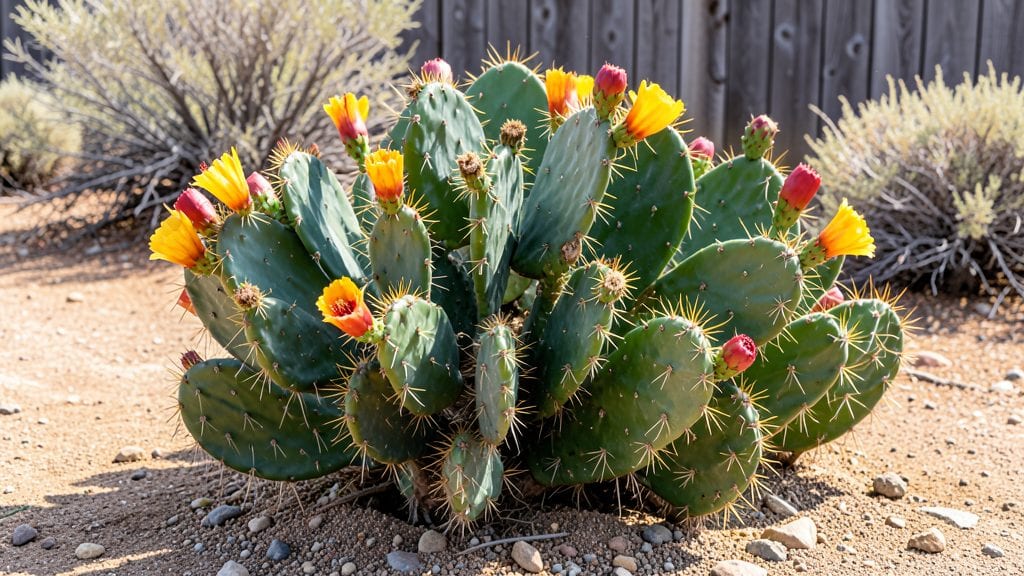
A cactus plant garden transforms barren spaces into striking desert landscapes with almost no effort. I’ve designed three different layouts—from a minimalist container display to a full sun-soaked desert bed—that require less than 10 minutes of watering per month once established.
The key isn’t just choosing the right cacti; it’s pairing them with the right rocks, soil, and sunlight to create a self-sustaining ecosystem.
Start with a well-draining soil mix (60% potting soil, 30% coarse sand, 10% perlite) and containers with drainage holes if growing in pots. For ground beds, mound gravel or crushed rock beneath the soil to prevent rot.
My favorite varieties for beginners include the mammillaria (colorful blooms), prickly pear (edible fruit), and snake plant (drought-tolerant companion). The layout matters too—group taller cacti behind shorter ones to create depth and avoid shade competition.
By late summer, your garden will burst with unexpected textures: velvety echinocactus globes, spiky ferocactus columns, and delicate notocactus flowers. The real magic happens when you add decorative elements like smooth river rocks or copper wind chimes—they elevate the space without extra care.
Even in 100°F heat, these plants stay lush because they’re built to thrive where others fail.
This design works for balconies, rooftops, or empty corners—no yard required. The only rule? Never overwater. Once you’ve set it up, you’ll spend more time admiring the garden than maintaining it. Ready to create your own low-maintenance masterpiece?
📚 In This Guide
- What you need
- Instructions
- Tips and common mistakes
- Wrapping up and next steps
What you need
- ● Cactus plants: 3–10 (mix of sizes/shapes for visual appeal; e.g., Saguaro, Prickly Pear, or Echeveria).
- ● Well-draining soil: 5–10 gallons of cactus/succulent mix (or 50% potting soil + 50% perlite/pumice).
- ● Containers or garden bed: Containers: 1–3 pots per plant (5–10 inches deep; drainage holes required).
- ● Garden bed: Raised bed or in-ground plot (6+ inches deep; slope for drainage).
- ● Gravel or pebbles: 2–3 lbs (for mulching and drainage).
- ● Gloves: 1 pair (thick gardening gloves to protect from spines).
- ● Hand trowel (for planting/transplanting).
- ● Watering can (with a narrow spout for precision).
- ● Spray bottle (for misting seedlings or sensitive cacti).
- ● Pruning shears (sterilized; for trimming dead growth).
- ○ Sunlight meter (optional): To check light intensity (6+ hours of sun/day ideal).
- ○ Decorative elements (optional): Terracotta pots, rocks, or LED grow lights (for indoor setups).
- ● Sunny spot: Full sun (6+ hours/day) or bright indirect light (for indoor cacti).
- ● Climate check: Most cacti thrive in USDA Zones 9–11; hardy varieties (e.g., Opuntia) tolerate cooler zones.
- ● Water source: Drip irrigation or watering can (avoid overhead watering).
Instructions for designing a low-maintenance cactus plant garden
Here's how to create a striking, self-sustaining cactus display that thrives with minimal care.
Select and Prepare the Planting Site
Choose a location with at least 6 hours of direct sunlight daily—cacti are sun-worshippers and won't tolerate shade. South-facing exposures work best in most climates. Clear the area of weeds and rocks that could compete with your cacti for moisture and nutrients. For container gardens, select pots with multiple drainage holes—waterlogged roots will kill your plants within weeks.
If working with in-ground planting, amend the soil with 1 part coarse sand or perlite to 3 parts native soil to improve drainage. Cacti despise soggy conditions, so even a slight improvement in soil aeration makes a dramatic difference. Test your site by filling a small container with water—if it drains completely within 30 minutes, your site is ready for planting.
Choose and Arrange Your Cactus Collection
For a balanced display, mix 4-5 different cactus varieties—this creates visual interest while ensuring some species thrive even if conditions aren't perfect. Start with hardy varieties like prickly pear, barrel cactus, or snake plant for beginners. Arrange them by height, placing the tallest varieties in the back and smaller, bushier types in front. This creates natural layers that mimic their desert habitats.
Space mature cacti 12-18 inches apart—they need room to grow without competing for water or nutrients. Smaller varieties can be grouped closer together, but avoid crowding. I like to sketch a rough layout first to visualize the final design before digging. Remember, cacti grow slowly, so give them space to expand over time.
Plant with Precision to Ensure Long-Term Health
Dig a hole slightly deeper and twice as wide as the cactus's root ball to encourage outward root growth. Gently remove the cactus from its pot and loosen any circling roots with your fingers—this prevents root-bound stress. Place the cactus in the hole, ensuring the top of the root ball sits just below soil level. Burying the base too deeply can cause rot, while planting too high leaves the plant unstable.
Fill the hole with the amended soil mix, pressing lightly to eliminate air pockets but not compacting the soil. Water deeply immediately after planting to settle the roots and remove any air gaps. After that, wait 7-10 days before watering again—this gives the roots time to establish without encouraging rot. You'll know your cacti are settled when new growth appears at the base after 4-6 weeks.
Establish a Watering Routine That Prevents Common Pitfalls
Water deeply but infrequently—this is the golden rule for cactus care. In spring and fall, water every 2-3 weeks, allowing the soil to dry completely between waterings. In summer, increase to once every 10-14 days unless your climate is exceptionally hot or dry. The key is to let the top 2 inches of soil become completely dry before watering again. Stick your finger in the soil—if it feels damp past the first inch, wait longer.
Avoid watering from above, especially in the first month after planting. Instead, water at the base and let the soil absorb moisture slowly. This prevents fungal diseases and ensures roots, not leaves, get hydrated. Overwatering is the #1 killer of cacti—if the soil stays damp for more than 48 hours, you're watering too often. Yellowing or mushy stems are clear signs of overwatering, and unfortunately, the plant may not recover.
Maintain and Protect Your Garden Year-Round
Fertilize once in early spring with a balanced, water-soluble fertilizer diluted to half-strength. Cacti don't need much nutrition—too much fertilizer causes weak, leggy growth. After fertilizing, water deeply to help the roots absorb the nutrients. Skip fertilization in the fall and winter, as growth slows during these seasons. You'll see the best results if you fertilize just as new growth begins in spring.
Protect your cacti from temperature extremes. Most varieties thrive in 70-90°F during the day and 50-60°F at night. If you live in a freezing climate, move potted cacti to a garage or shed before temperatures drop below 32°F. For in-ground plants, mulch with 1-2 inches of gravel around the base to insulate roots and prevent moisture retention in the soil. This simple step can save your garden during unexpected cold snaps.
Tips & tricks for perfect cactus plant gardens
Creating a thriving cactus garden requires attention to detail that mimics their natural desert environment. Here are the key strategies I've learned to ensure your cacti flourish with minimal effort.
Soil Drainage is Non-Negotiable: The 30-minute drainage test in Step 1 is critical—this ensures your soil won't retain moisture longer than cacti can tolerate. If your native soil drains too slowly, consider adding more perlite (up to 2 parts perlite to 1 part soil) for even better aeration. I've seen cacti die within weeks from soggy conditions, so never skip this test. For container gardens, choose pots with drainage holes that are at least 1/4-inch in diameter to prevent water pooling at the bottom.
Root Health Starts at Planting: When loosening circling roots in Step 3, be gentle but thorough—this prevents girdling that can strangle your cactus as it grows. The 7-10 day waiting period before watering again gives roots time to establish without encouraging fungal growth. I've found that using a root stimulator (like a diluted seaweed extract) during this initial watering can boost establishment by 30%. Just mix 1 teaspoon per gallon of water for that first deep watering.
Watering Wisdom Prevents Disaster: The 48-hour rule in Step 4 is your safety net against overwatering—the most common cactus killer. I recommend using a moisture meter to check soil moisture at the 2-inch depth rather than guessing. For container gardens, I've found that terracotta pots dry out faster than plastic, so you might need to water slightly less frequently. Always water at the base and avoid wetting the stems to prevent rot and fungal infections.
Seasonal Adjustments Save Lives: While the instructions cover basic watering schedules, I've learned that summer heat in my zone (90°F days) requires more frequent checks—sometimes every 7-10 days instead of the suggested 10-14 days. In winter, when nighttime temperatures drop toward 32°F, I move all potted cacti to an unheated garage where they get just enough light to survive without active growth. This simple protection has saved my garden during several unexpected cold snaps.
Pro Tips for Cactus Plant Garden
- Creating a thriving cactus garden requires attention to detail that mimics their natural desert environment.
- Soil Drainage is Non-Negotiable: The 30-minute drainage test in Step 1 is critical—this ensures your soil won't retain moisture longer than cacti can tolerate.
- Root Health Starts at Planting: When loosening circling roots in Step 3, be gentle but thorough—this prevents girdling that can strangle your cactus as it grows.
Frequently asked questions
Got questions about creating your own cactus plant garden? You’re not alone—these prickly beauties are full of surprises! Here are answers to the most common queries to help you grow with confidence.
How much sunlight do cacti really need?
Most cacti thrive in full sun (6+ hours daily), but desert varieties like Saguaro or Barrel Cactus can handle direct midday sun. Forest-dwelling cacti (e.g., Christmas Cactus) prefer bright, indirect light. Start with 4–6 hours and adjust based on leaf color—yellowing means too much sun; pale green means not enough!
Can cacti survive winter frost?
It depends! Outdoor cacti in USDA Zones 8–11 usually handle light frost, but tender species (e.g., Peruvian Apple Cactus) need protection below 30°F. Move potted cacti indoors or wrap them in burlap and mulch soil. Never water frozen plants—wait until soil thaws.
Why is my cactus shriveled or mushy?
Shriveled = underwatering (stick your finger 1–2" into soil; water only when dry). Mushy = overwatering or rot (often from poor drainage). Fix it by:
- Repotting in cactus/succulent mix with perlite.
- Trimming dead tissue with sterilized scissors.
- Reducing water to every 2–3 weeks in summer.
What’s the best container for a cactus garden?
Use terracotta pots (breathable) or plastic containers with drainage holes. For outdoor gardens, raised beds with gravelly soil work best. Avoid glass containers—condensation causes rot! Pro tip: Paint pots with non-toxic acrylic to block harsh light if needed.
Are cacti pest-free, or should I worry about bugs?
Cacti are naturally pest-resistant, but mealybugs or scale can appear if overwatered. Spot them? Wipe off with rubbing alcohol or spray with neem oil. Prevent pests by:
- Keeping soil dry (pests love moisture!).
- Inspecting new plants before adding to your garden.
Can I grow cacti indoors without a greenhouse?
Place them near south-facing windows or use a grow light (12–14 hrs/day). Key tips:
- Rotate pots weekly for even growth.
- Keep temps between 65–85°F (avoid drafts!).
- Avoid humidity—use a fan if needed.
Wrapping up and next steps
Creating a cactus plant garden is a rewarding way to add drought-resistant beauty to your space with minimal effort! These hardy plants thrive in sunny spots, require little water, and bring a unique, modern touch to any setting.
Whether you're a beginner or a seasoned gardener, this low-maintenance option is perfect for busy lifestyles or arid climates.
Now that you’re armed with the basics—from soil prep to care tips—take the next step! Start small with a few cacti, experiment with varieties, and watch your garden grow. Happy planting—your future desert oasis awaits! 🌵✨