Advice
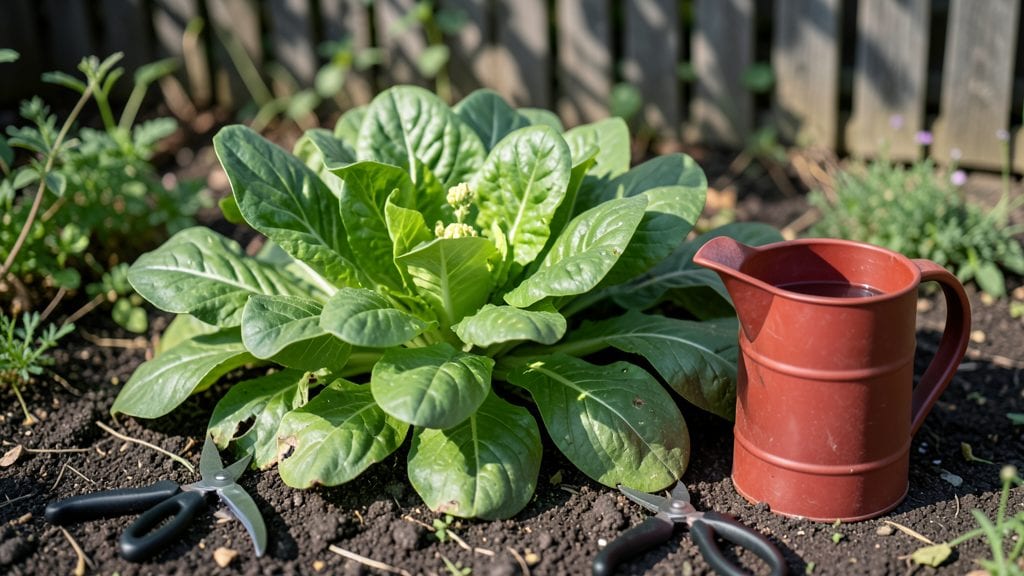
Calories burned gardening range from 150 to over 400 per hour, depending on the intensity of the task—moderate activities like weeding or digging typically burn around 250 calories, while strenuous work like hauling soil or pruning trees can push that number past 400. Lighter tasks, such as raking or planting seeds, usually fall between 150-200 calories. Your body weight and how vigorously you work also play a big role in the total calories expended.
Gardening isn't just a hobby—it's a surprisingly effective way to sneak in exercise. 🌱 The key lies in how your body engages during different tasks: digging and hauling require more muscle activation than raking, which is why they burn significantly more calories.
I’ve noticed that even light gardening can add up over time, especially when combined with other physical movements like bending or carrying tools.
For example, someone weighing 155 pounds might burn 200 calories in 30 minutes of moderate gardening, but that number jumps to 350+ calories if they’re doing heavier tasks like moving mulch or trimming bushes.
What’s interesting is how gardening stacks up against other activities. A 30-minute session of weeding can burn roughly the same calories as a brisk walk or light cycling—making it a great low-impact workout for those who prefer outdoor activities.
The beauty of gardening is its flexibility: you can adjust the intensity to match your fitness level, whether you're a beginner or a seasoned gardener. Plus, the mental health benefits of being outdoors add an extra layer of value to your calorie-burning efforts. 🌿
💡 In This Article
- How Gardening Tasks Compare in MET Values
- Maximizing Calorie Burn in Your Garden Workout
How gardening tasks compare in MET values
MET values measure how many calories your body burns per hour compared to resting. Gardening tasks vary widely—raking grass has a MET value of about 3.5, meaning a 155-pound person burns roughly 175 calories/hour, while digging or chopping wood hits 5.0 METs, burning 250+ calories/hour.
The difference comes from muscle engagement: raking uses mostly arms and core, while digging involves full-body movements and resistance against soil.
Here’s how common tasks stack up: Mowing lawns (4.0 METs) burns ~200 calories/hour—similar to a brisk walk—but pushing a heavy mower adds resistance, increasing effort. Pruning trees or hauling mulch (5.5 METs) rivals light jogging (6.0 METs), with 275-350 calories/hour burned.
The key factor is resistance and repetition: lifting, bending, and sustained effort elevate calorie burn beyond simple walking.
Body weight plays a surprising role. A 200-pound person burns 30-40% more than someone at 125 pounds for the same task—digging becomes significantly harder due to leverage and muscle strain.
Duration matters too: 30 minutes of weeding (3.0 METs) burns ~150 calories, but adding 10 minutes of heavy lifting (like moving bags of soil) can push that to 200+ calories.
For comparison, gardening tasks often overlap with other activities: raking (~175 calories/hour) matches a leisurely bike ride, while digging (~250 calories/hour) rivals a moderate swim.
The advantage? Gardening engages multiple muscle groups simultaneously—arms, legs, and core—unlike cycling or walking, which isolate lower-body effort. This full-body activation makes it a functional workout beyond calorie burn.
What most people overlook is how tool choice impacts MET values. Using a manual leaf blower (4.5 METs) burns more than a push mower (4.0 METs) because it requires controlled arm movements against wind resistance.
Even small tweaks—like carrying a 20-pound bag of compost—can add 50-100 calories/hour to lighter tasks. The science? Resistance training principles apply: heavier loads or sustained effort increase metabolic demand.
Pro tip: Combine tasks for efficiency. Alternating between digging (high MET) and planting (moderate MET) keeps your heart rate elevated without exhaustion. Think of it like interval training—short bursts of high effort followed by recovery phases. This approach maximizes calorie burn while preventing burnout. 💫