
Diseases
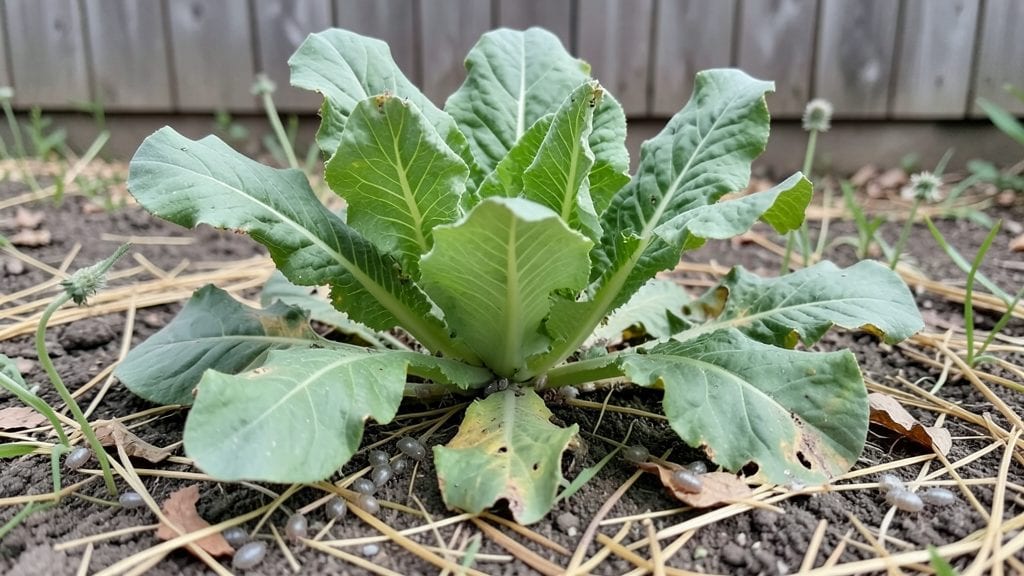
You can get scabies from gardening only in rare cases—when contaminated soil or infected plants come into contact with broken skin or shared tools. While scabies mites don't survive long in soil, indirect exposure through gardening equipment or contact with infested animals poses a minimal but real risk. Always clean hands and tools thoroughly after gardening.
Scabies mites (Sarcoptes scabiei) primarily infest human skin, but they can linger on surfaces like gardening tools or plant debris. 🌱 The risk increases if you have cuts or abrasions, as mites may enter through these openings.
Shared equipment—like shears or gloves—can also spread mites if someone with scabies handled them first. Most gardeners never encounter this issue, but proper hygiene (like washing hands with soap and water) remains your best defense.
If you notice persistent itching, red rashes, or small burrows on your skin, see a doctor immediately. Scabies spreads easily through close contact, so isolating contaminated tools or soil is wise. For extra protection, wear gloves when handling unknown soil or plants, especially in community gardens where equipment is shared.
💡 In This Article
- How Scabies Mites Spread in Gardening Environments
- Preventing Scabies While Gardening: Safety Protocols
How scabies mites spread in gardening environments
The scabies mite, Sarcoptes scabiei, thrives exclusively on human skin, where it burrows and lays eggs in the outer layer of the epidermis. These microscopic parasites measure just 0.3-0.4 millimeters long, making them nearly invisible to the naked eye.
In gardening environments, mites don't survive long in soil or plant matter—they need human hosts to complete their 30-day lifecycle. However, they can cling to surfaces like gardening tools, gloves, or plant debris for up to 2-3 days if conditions are dry and shaded. 🌿
Indirect transmission occurs when contaminated tools or soil come into contact with broken skin. For example, if someone with scabies uses shared gardening shears, the mites may transfer to the metal surface and survive until another gardener cuts a thorny plant, creating microscopic abrasions.
The risk increases in humid environments (like greenhouses) where mites stay viable longer. Infested animals—such as stray dogs or raccoons—can also carry mites, which may hitchhike onto gardening equipment or soil. Unlike soil-borne pathogens, scabies mites don't multiply in the environment; they simply wait for a host.
Here's what's actually happening on a cellular level: When a mite enters through a skin opening, it releases digestive enzymes that break down keratin (the protein in your skin).
This creates a burrow where the female mite lays 2-3 eggs per day, triggering an immune response that causes intense itching. The key factor is skin integrity—healthy skin acts as a barrier, but cuts or abrasions from gardening tools (like pruners or trowels) create entry points.
Even minor scratches can become gateways for these parasites. 🦟
Environmental factors like temperature and moisture play critical roles. Scabies mites prefer 86-91°F (human body temperature) and die quickly in direct sunlight or when exposed to 140°F for 10 minutes. However, in shaded, damp soil or under gardening equipment, they can remain active for days.
This is why shared tools—like hoes or wheelbarrows—pose higher risks in community gardens where equipment isn't regularly disinfected. The mites don't spread through soil itself but through physical contact with contaminated surfaces.
Consider these key factors when assessing risk in your garden:
- Tool contamination: Mites can survive on metal or plastic tools for 24-72 hours if not cleaned
- Animal contact: Wild animals (raccoons, stray dogs) may carry mites that transfer to soil or tools
- Skin condition: Cuts, insect bites, or eczema increase vulnerability by 50-70%
- Environmental factors: Humid greenhouses or shaded work areas extend mite survival
What most people don't realize is that scabies mites don't spread through casual gardening activities like touching plants or handling soil. The transmission requires direct contact with contaminated surfaces or an infested person.
However, the combination of shared equipment, broken skin, and poor hygiene creates the perfect storm for indirect exposure. This is why professional gardeners and landscapers report higher awareness of scabies risks—they handle more shared tools and work in diverse environments where infested animals may be present. ✨
The science behind this involves the mites' lipid-rich exoskeleton, which helps them retain moisture and survive brief periods outside a host. In soil, they become desiccated within hours unless protected by organic matter or shade.
Understanding this lifecycle helps explain why scabies outbreaks rarely trace back to gardening—direct human contact remains the primary transmission route. Still, taking precautions like wearing gloves when handling unknown soil or inspecting shared tools can eliminate even minimal risks. 💫