
Pests
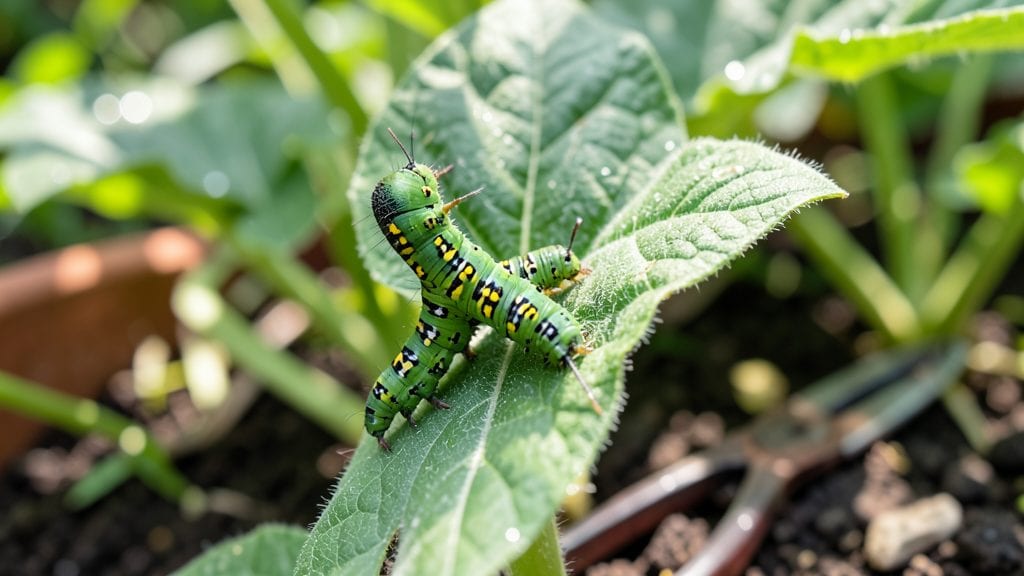
Finding caterpillars munching your tomatoes or cabbage leaves feels like a betrayal—one minute you're tending your garden, the next you're watching it disappear. 🌱 I've lost entire plants to hungry caterpillars, but I've also learned how to outsmart them without reaching for harsh chemicals.
The key is acting fast with targeted, organic methods that protect your plants and the good bugs.
Most garden caterpillars—like tomato hornworms or cabbage moth larvae—look like fuzzy or striped worms, often hiding under leaves during the day.
Handpicking them (yes, really) is the fastest fix, but for larger infestations, Bacillus thuringiensis (Bt)—a natural bacteria—works like magic, killing caterpillars within hours while leaving bees and ladybugs untouched. Companion plants like dill, marigolds, or nasturtiums also distract pests away from your veggies.
You'll see results within 24-48 hours of treatment—fewer chewed leaves, healthier plants, and no more sneaky little invaders. The best part? These methods work for every season, and you won't have to worry about chemical residues on your homegrown food. Let's get your garden back to thriving.
Whether you're dealing with a sudden outbreak or just want to prevent future munching, these strategies adapt to any garden size. The goal isn't to wage war—it's to restore balance so your plants grow strong and your ecosystem stays healthy. Ready to reclaim your garden?
Causes Behind Garden Caterpillar Infestations
Caterpillars may seem like tiny troublemakers, but their presence in your garden is rarely random. Understanding why they show up—and thrive—helps you address the root of the problem before they devour your prized plants. Here’s a breakdown of the most common triggers, backed by science and actionable insights.
Caterpillars are plant specialists, and their survival depends on finding the right "buffet." Many species, like the Tomato Hornworm or Cabbage Looper, have a narrow diet—they’ll only munch on specific plants.
Others, such as the Variegated Cutworm, are generalists but still prefer lush, young, or stressed foliage.
Why it happens:
- Abundant food supply: Gardens with dense, healthy plants (especially solanaceae like tomatoes, peppers, or brassicaceae like cabbage/kale) act like a neon sign for caterpillars. A single egg-laying female can deposit hundreds of eggs near host plants, ensuring a steady food source for her offspring.
- Lack of biodiversity: Monoculture gardens (e.g., rows of identical tomato plants) are caterpillar magnets. Natural ecosystems with mixed plantings disrupt their feeding patterns.
- Young, tender leaves: Caterpillars prefer new growth because it’s softer and more nutritious. Pruning or harvesting too aggressively can attract them by stimulating regrowth.
Actionable fix: 🔹 Rotate crops annually to break the caterpillar life cycle. 🔹 Interplant with non-host species (e.g., marigolds, basil, or dill) to confuse them. 🔹 Remove plant debris in fall/winter—eggs often overwinter in dead leaves!
Caterpillars don’t just appear—they’re born from precisely timed egg-laying by adult moths. Their life cycles are highly synchronized with plant growth stages, often aligning with warm, humid conditions.
Why it happens:
- Moth activity triggers:
- Dusk/dawn flights: Most moths (e.g., Tobacco Hornworm moths) lay eggs at night when temperatures are mild (60–80°F). They use plant odors and moonlight to navigate.
- Post-rain blooms: Rain triggers new plant growth, which moths detect as a signal to lay eggs. This is why you might see caterpillars explode in numbers after spring showers.
- Generational overlap: Some species (like the Eastern Tent Caterpillar) produce multiple broods per year in warm climates, leading to compounding infestations.
Actionable fix: 🔹 Monitor plants at dusk with a flashlight—adult moths are often visible then. 🔹 Use yellow sticky traps near gardens to catch egg-laying moths. 🔹 Plant moth-repelling flowers (e.g., evening primrose or four o’clocks) to disrupt their navigation.
Caterpillars are cold-blooded and thrive in specific temperature and humidity ranges. Your garden’s microclimate—even a small corner with extra shade or retention of moisture—can turn it into a caterpillar paradise.
Why it happens:
- Ideal temperature zones:
- 65–85°F (18–29°C): Most caterpillars develop fastest in this range. Greenhouse-like conditions (e.g., mulched beds or plastic tunnels) accelerate their growth.
- Humidity love: Species like the Tomato Fruitworm require 70%+ humidity to survive. Overwatered or poorly drained soil creates the perfect humidity blanket.
- Urban heat islands: Cities with concrete and pavement trap heat, creating warmer microclimates that extend caterpillar seasons.
- Overwintering survival: Some caterpillars (or their eggs) hibernate in leaf litter or bark. Mild winters allow them to emerge earlier and multiply faster.
Actionable fix: 🔹 Improve airflow around plants by pruning dense foliage. 🔹 Avoid overhead watering at night to reduce humidity. 🔹 Use reflective mulch (e.g., silver plastic) to deter egg-laying moths and raise soil temps (which some caterpillars avoid).
In a balanced ecosystem, caterpillars are keystone prey—meaning many birds, insects, and even reptiles rely on them for food. But modern gardening practices often disrupt this natural checks-and-balances system.
Why it happens:
- Pesticide use:
- Broad-spectrum sprays (e.g., neonicotinoids, pyrethroids) kill both caterpillars AND their predators, like ladybugs, lacewings, and parasitic wasps.
- Overuse of fungicides can also harm beneficial nematodes that prey on caterpillar larvae.
- Habitat loss: Removing wildflower borders, leaf litter, or brush piles eliminates hiding spots for predator species like robber flies or spiders.
- Light pollution: Artificial lights attract adult moths away from laying eggs in your garden but also disorient nocturnal predators like bats that hunt them.
Actionable fix: 🔹 Create predator havens with native wildflowers (e.g., dill, fennel, or milkweed) to attract beneficial insects. 🔹 Leave some "messy" garden areas (e.g., a corner with leaf litter) for overwintering predators. 🔹 Switch to targeted sprays like Bt (Bacillus thuringiensis), which kills caterpillars without harming predators.
Pro tip: 💡 Combine these strategies for long-term control. Caterpillars rarely strike randomly—they’re responding to specific conditions
Caterpillars can turn your garden into a defoliated disaster, but the good news? You don’t need harsh chemicals to reclaim it. Below are targeted, organic solutions tailored to the most common causes—from hungry larvae to hidden nests—plus prevention tips to keep your plants safe long-term. Cause: Visible caterpillars feasting on foliage (e.g., tomato hornworms, cabbage loopers).
Fix: 💡 Pro Tip: Check under leaves and near stems—these are prime hiding spots. A flashlight at dusk reveals nocturnal chewers! Cause: Tiny eggs or newly hatched caterpillars (e.g., tent caterpillars, gypsy moths).
Fix: ✨ Prevention: Prune and destroy heavily infested branches in fall to remove overwintering eggs. Cause: Tent caterpillars or fall webworms spinning silk webs.
Fix: 🎯 Long-Term Fix: Thin dense foliage in trees/shrubs to reduce hiding spots. Cause: Recurring caterpillar problems due to habitat appeal.
Fix: 💡 Bonus: Plant milkweed (for monarchs!)—it attracts ladybugs and parasitic wasps, which eat caterpillar eggs. 📊 Quick Reference Table: Handpicking is the safest method—wear gloves and drop them into soapy water. For larger infestations, use Bacillus thuringiensis (Bt), a natural bacteria that targets caterpillars while leaving bees and ladybugs unharmed. Apply it at dusk when pollinators are less active. The worst offenders include tomato hornworms (striped green caterpillars), cabbage loopers (green with diagonal stripes), and tent caterpillars (silk web-makers). Look under leaves or in silk tents—they hide there during the day. Neem oil works well for eggs and small larvae—mix 1 tbsp neem oil + 1 tsp soap per quart of water and spray directly. Diatomaceous earth is less effective for caterpillars since they avoid crawling on it, but it can help with other pests. Always reapply after rain. Adult moths lay hundreds of eggs in just one night, so you’re battling a constant cycle. Break it by removing overwintering eggs (scrape them off branches in fall), using row covers, and planting companion plants like marigolds to repel moths. Yes! Basil, dill, marigolds, and nasturtiums mask plant odors that attract moths. For trees, try ginkgo or Japanese maple—they’re less appealing to caterpillars. Even milkweed helps by attracting ladybugs that eat caterpillar eggs.Quick Fixes for Caterpillar Chaos
Problem Immediate Fix Prevention Visible caterpillars Handpick + soapy water Floating row covers Eggs/larvae Neem oil spray Prune infested branches Silk tents Cut out + burn Encourage birds Recurring infestations Plant resistant varieties Mulch + companion planting Frequently asked questions
How do I safely remove caterpillars from my garden without harming beneficial insects?
What are the most common caterpillar species that attack garden plants?
Can I use neem oil or diatomaceous earth to kill caterpillars?
Why do caterpillars keep coming back even after I remove them?
Are there any plants that naturally repel caterpillars?