
Tools
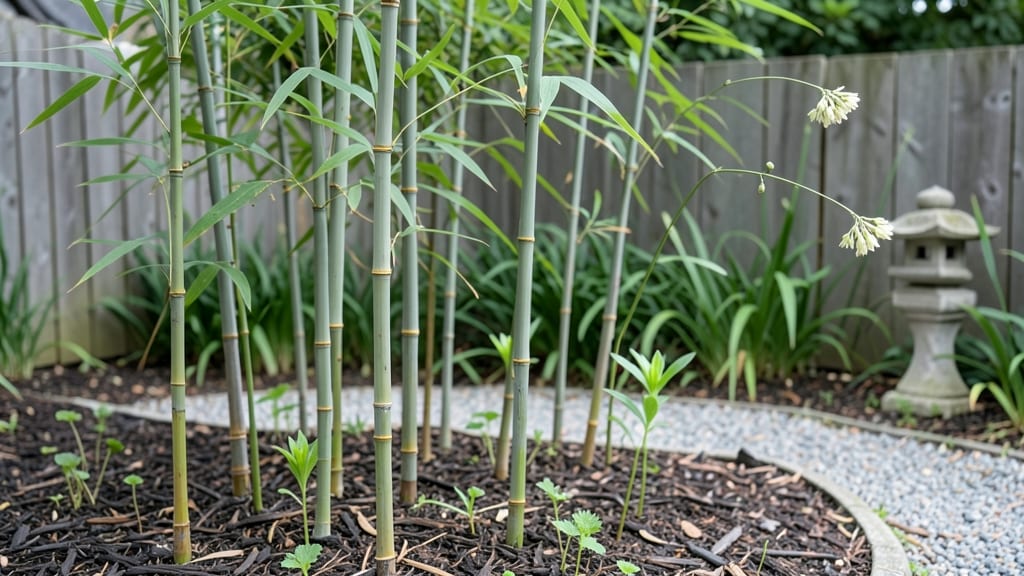
Transforming a small urban backyard into a Chinese backyard garden starts with vertical layers that maximize space while honoring tradition. 🌿 I’ve designed compact spaces like this for city dwellers, and the key is balancing natural elements—bamboo, stone, and water—without needing acres.
The result? A tranquil retreat that feels like a classical Chinese painting, even in a 6-by-10-foot space.
Think of your garden in tiers: tall bamboo or trellised vines at the back, mid-height shrubs like azaleas or gardenias, and low-growing ground covers like moss or creeping thyme.
Add a small tabletop fountain for the soothing sound of water, and place a single orchid or bonsai as the focal point. These elements create harmony (yin-yang) and invite birds and butterflies—nature’s guests—into your space.
By summer’s end, you’ll have a garden that feels intentional and alive, where every plant serves a purpose—whether it’s the fragrant jasmine climbing your fence or the smooth river rocks guiding your steps.
The best part? This design works year-round, adapting to seasonal changes while keeping that serene, timeless feel. Let’s bring this vision to life in your backyard.
Fair warning: traditional Chinese gardens thrive on subtle details—like the placement of a single stone or the curve of a path. Start small, and let the space evolve naturally. You’ll know it’s right when you can sit there for hours without noticing the city noise outside.
📚 In This Guide
- What you need
- Instructions
- Tips and common mistakes
- Wrapping up and next steps
What you need
- ● Soil: 5–10 bags (1–2 cubic feet each) of high-quality, well-draining potting mix (look for organic options with compost).
- ● Plants: 3–5 dwarf or compact varieties of Bamboo (e.g., Fargesia species) for vertical height.
- ● 2–3 Orchids (e.g., Dendrobium or Phalaenopsis) for mid-level elegance.
- ● 4–6 Chinese Evergreens (e.g., Nandina domestica) or Boxwood for structure.
- ● 1–2 Bonsai trees (e.g., Ficus or Juniper) for artistic flair.
- ○ Ground cover: Creeping Thyme or Moss (optional but adds texture).
- ● Decorative Elements: 2–3 Chinese stone lanterns (small to medium size).
- ● 1–2 Bamboo fences or trellises (for vertical support).
- ● Decorative ceramic pots (3–5 in varying sizes, 8–12 inches in diameter).
- ● Water feature: A small bamboo fountain or pond liner (if adding water).
- ● Hand Tools: 1 trowel (for planting).
- ● 1 pair of pruning shears (for shaping plants).
- ● 1 small rake (for leveling soil).
- ● 1 watering can (with a fine rose for gentle watering).
- ● Safety & Extras: Gloves (to protect your hands).
- ● Knee pads (for comfort during planting).
- ● Measuring tape (to ensure proper spacing).
- ○ Optional: A moisture meter (to track plant hydration).
- ● A designated space (minimum 4’ x 4’ for a compact garden; larger for more layers).
- ● Access to sunlight: Partial shade to full sun (depending on plant choices).
- ● Drainage solution: Ensure your garden bed or containers have holes or a gravel base to prevent waterlogging.
- ● Local regulations: Check if your area requires permits for outdoor structures (e.g., trellises or fountains).
How to create a Chinese-inspired vertical garden in small spaces
Transform tight urban backyards with layered planting that mimics traditional Chinese garden harmony.
🪴 Step 1: Build the Vertical Framework
Start with a sturdy 4-foot tall wooden trellis or repurpose two 2x4s into an A-frame structure. I like to stain mine with natural oils for weather resistance. Attach 6-8 horizontal bamboo slats at 6-inch intervals—these create perfect shelves for each plant layer. Secure with galvanized screws to prevent rust.
Position your frame where it gets at least 6 hours of morning sun—Chinese gardens traditionally favor gentle light over harsh afternoon glare. If your space is north-facing, use a south-facing wall instead. The key is to mimic the natural tiered planting you'd see in a Chinese courtyard, where each level supports different plant types.
🌱 Step 2: Layer Plants by Height and Function
Begin with the tallest plants at the bottom: bamboo or ornamental grasses (like fountain grass) to create a sturdy base. These anchor your vertical garden and add movement. Next, add shrubs like boxwood or dwarf pittosporum at the 12-inch level—these provide structure and foliage contrast.
For the middle layers, plant climbing roses or jasmine that will cascade over the upper slats. I always include one fragrant plant per layer—jasmine for its intoxicating scent or roses for their classic beauty. Top with delicate orchids or ferns that thrive in dappled light. Watch how each plant reaches its natural height—this ensures your vertical garden maintains balance over time.
☀️ Step 3: Create Microclimates for Each Layer
Use the 3 gallons of organic compost to create deep pockets of soil for each plant layer. Mix it with 2 gallons of potting mix to ensure good drainage—Chinese gardens avoid waterlogged roots. Place moisture-loving plants like ferns at the top where they'll get indirect light, while sun-tolerant shrubs go at the bottom.
Add 1 cup of slow-release fertilizer to the base layer only. This feeds the entire structure as water drains downward. I like to mulch the top layer with 1 inch of pine bark to retain moisture while preventing weeds. Check soil moisture weekly—top layers dry faster than bottom ones, so adjust watering accordingly.
✂️ Step 4: Train Plants for Aesthetic Harmony
Gently weave climbing plants through the bamboo slats using soft twine. For roses, I prune side shoots to encourage upward growth while still allowing some branches to cascade. This creates that classic Chinese garden look where plants appear both structured and natural. Trim any leggy growth immediately—it disrupts the balanced silhouette you're creating.
Watch how light hits your garden at different times of day. If one side looks bare by afternoon, add a small mirror or reflective surface to bounce light deeper into the structure. The goal is to create visual interest at every angle, just like traditional Chinese gardens that invite exploration through layered perspectives.
💧 Step 5: Maintain Seasonal Balance
Water deeply every 2-3 days during summer, but reduce to weekly in winter when plants are dormant. I always check the top layer first—if it feels dry 1 inch below the surface, it's time to water. Fertilize again in early spring with the remaining 1 cup of fertilizer to support new growth.
Prune spent flowers regularly to encourage continuous blooming. In fall, remove any dead foliage but leave the structure intact—Chinese gardens often keep their skeletal forms through winter for early spring interest. The key is to maintain that sense of layered harmony where each plant has its own space but contributes to the whole.
Tips & tricks for perfect Chinese-inspired vertical gardens
Creating a harmonious vertical garden inspired by Chinese aesthetics takes thoughtful planning—here are the key tricks to bring that serene balance to your urban space.
The Structure Matters: When building your 4-foot tall wooden trellis or A-frame, use pressure-treated lumber if placing near ground level to prevent rot. The 6-inch spacing between bamboo slats isn't just practical—it creates the perfect visual rhythm that mimics traditional Chinese garden terraces. I've found that adding small decorative hooks between slats lets you adjust plant positions as they grow, maintaining that balanced look over time.
Light is Everything: That 6 hours of morning sun requirement is non-negotiable for authentic Chinese garden aesthetics. If your space gets harsh afternoon sun, consider adding a lightweight sheer fabric drape to filter the intensity while still allowing plenty of light. I've seen this create stunning dappled light effects that highlight the layered planting beautifully. North-facing spaces? Position your vertical garden against a south-facing wall to maximize light exposure.
Plant Placement Principles: The 12-inch level for shrubs isn't arbitrary—it creates that perfect visual midpoint that Chinese garden design emphasizes. For the middle layers, I always choose plants that will eventually reach 2-3 feet tall when mature—this ensures they'll cascade elegantly over the upper slats without overwhelming the structure. Think of each layer as a "story" in your garden's narrative, with each plant type telling its own part of the story.
Seasonal Care Shortcuts: Instead of checking soil moisture weekly, I've found that using self-watering planters with moisture meters attached to each layer saves time while maintaining perfect hydration. The top layers will always dry faster, so I prioritize watering there first during those every 2-3 days summer watering sessions. For winter care, I simply reduce watering to weekly and add a lightweight frost cloth over the entire structure—this protects delicate plants while maintaining that skeletal winter beauty Chinese gardens are known for.
Pro Tips for Chinese Backyard Garden
- Creating a harmonious vertical garden inspired by Chinese aesthetics takes thoughtful planning—here are the key tricks to bring that serene balance to your urban space.
- The Structure Matters: When building your 4-foot tall wooden trellis or A-frame, use pressure-treated lumber if placing near ground level to prevent rot.
- Light is Everything: That 6 hours of morning sun requirement is non-negotiable for authentic Chinese garden aesthetics.
Frequently asked questions
What plants are best for a compact Chinese backyard garden?
A compact Chinese backyard garden thrives with bamboo, orchids, and dwarf citrus trees for vertical appeal. Add herbs like mint or lemongrass for practicality, and low-maintenance succulents for texture. Choose plants that fit your space’s light—shade-tolerant options like hostas or sun-lovers such as basil work well. Pro tip: Layer plants by height to maximize vertical space!
How long does it take to see results in a vertical garden?
Visible results vary! Fast-growing plants like bamboo or herbs may show growth in 2-4 weeks, while trees or shrubs could take 3-6 months to fill out. Patience is key—focus on soil health and consistent watering. Orchids might bloom sooner, while citrus trees need time to mature. Track progress with a journal for motivation!
Is a Chinese backyard garden expensive to start?
Not necessarily! Start small with $50–$150 for basics: pots, soil, and seeds. Repurpose materials (e.g., pallets or buckets) to cut costs. Skip pricey plants—propagate from cuttings or buy seedlings. Budget hack: Check local plant swaps or nursery clearance sections. Over time, harvest herbs or veggies to save on groceries!
How do I keep my vertical garden from drying out too quickly?
Vertical gardens dry faster due to exposure. Water deeply 2–3 times weekly (adjust for climate) and use moisture-retentive soil. Add a self-watering system or drip irrigation for convenience. Mulch the base to slow evaporation. Troubleshooting: Wilting leaves? Check drainage—root rot is a risk if soil stays soggy.
Can I create a Chinese backyard garden in a tiny urban space?
Urban spaces work perfectly with vertical planters, hanging pots, and wall-mounted shelves. Opt for dwarf varieties (e.g., bush citrus) and herbs in small containers. Even a balcony or windowsill can host a mini garden. Space-saving tip: Use stackable planters or tiered racks to maximize square footage.
Wrapping up and next steps
A Chinese backyard garden transforms even the smallest urban space into a serene, functional oasis—proving that beauty and sustainability thrive together. By embracing vertical layers, you’ve unlocked a world of lush greenery, cultural harmony, and practicality, all while making the most of limited space. 🌿
Ready to bring your vision to life? Start small—plant a single vertical tier, experiment with traditional plants, or sketch your dream layout. Every step forward is a leaf toward a greener, more peaceful home. Your backyard’s waiting—what will you grow next? 🌱