
Pests
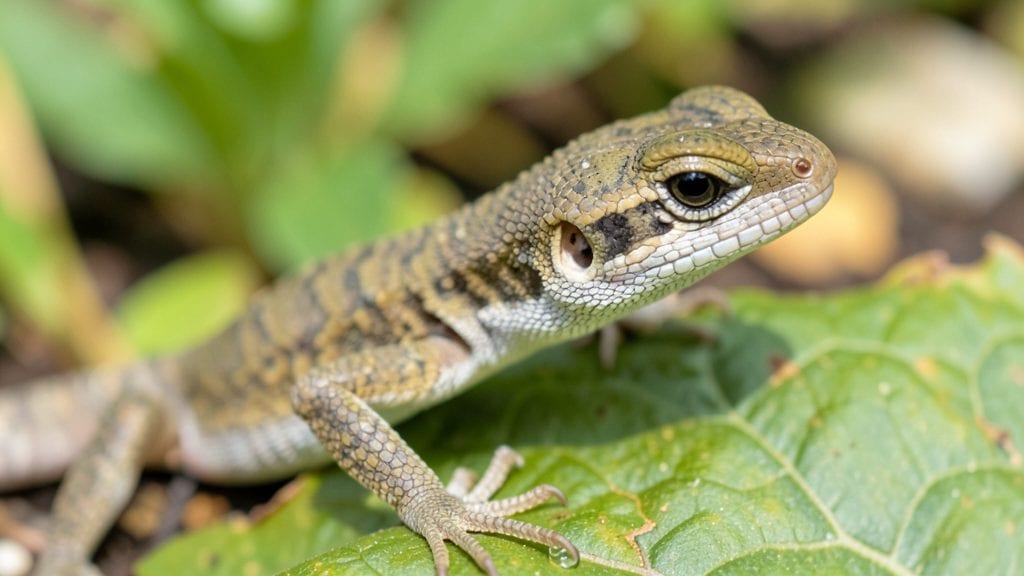
A common garden lizard is typically a small, green or brown reptile like the green anole or common house gecko, often found near plants, rocks, or garden structures, feeding on insects and helping control pests naturally.
These helpful reptiles are more than just garden visitors—they're tiny pest control experts. 💫 Green anoles, for example, have dewlap sacs that change color for communication, while house geckos cling to walls with specialized toe pads.
Their diet includes mosquitoes, spiders, and even roaches, making them invaluable allies for organic gardeners. I’ve noticed they thrive in warm climates but adapt well to shaded spots in cooler regions, especially near water sources or dense foliage.
What’s fascinating is how they contribute to the ecosystem beyond pest control. By preying on smaller insects, they help maintain plant health and reduce the need for chemical treatments.
If you’re trying to attract them, avoid pesticides and leave some flat rocks or wooden boards near plants—they love basking on these surfaces. Their presence is a natural indicator of a balanced garden environment.
💡 In This Article
- Identifying Common Garden Lizard Species by Appearance
- How Garden Lizards Benefit Your Yard and Garden
Identifying common garden lizard species by appearance
When spotting these helpful reptiles, the first clue is their body shape and size. Green anoles typically grow to about 5-8 inches long, with slender bodies and long tails that make up over half their length.
Their close relatives, the brown anoles, are slightly larger at 6-10 inches, with broader heads and more muscular builds. In contrast, common house geckos max out around 3-4 inches and have rounded bodies with thick, prehensile tails for climbing vertical surfaces.
The color patterns offer another key distinction. Green anoles often display vibrant emerald green backs with white or light green stripes along their sides, while brown anoles sport earthy tones like tan or olive with darker mottling.
House geckos usually appear in muted grays or browns, sometimes with subtle dark spots.
What's fascinating is how these colors serve as camouflage: green anoles blend into foliage, while brown anoles mimic leaf litter or bark. 💫 The dewlap—a throat fan—is unique to male anoles and can flash pink, orange, or blue during territorial displays.
Tail structure provides crucial identification clues too. Anoles have whip-like tails that can detach when threatened (a survival tactic called autotomy), while geckos possess thick, adhesive-padded tails for gripping surfaces. Skinks, another garden visitor, have smooth, shiny scales and shorter tails that lack the ability to detach.
Pay attention to these details: a rough, granular texture suggests an anole, while smooth, almost rubbery scales indicate a skink.
Regional variations matter when identifying species. In the southeastern U.S., green anoles dominate, while brown anoles thrive in Florida and the Caribbean. House geckos are cosmopolitan, found worldwide in warm climates, often near human structures.
Skinks like the common five-lined skink prefer northern gardens and have distinctive blue tails when young. What most people overlook is how eye color can help: anoles typically have black eyes, while geckos often display bright, reflective pupils that dilate like a cat's.
Here's a quick visual checklist for field identification:
- Body shape: Slender (anole) vs. rounded (gecko) vs. robust (skink)
- Tail: Long and whip-like (anole) or thick and prehensile (gecko)
- Color: Bright green (anole) vs. muted brown/gray (gecko) vs. striped (skink)
- Special features: Dewlap (male anoles) or adhesive toe pads (geckos)
- Habitat preference: Trees/plants (anoles) vs. walls/rocks (geckos) vs. leaf litter (skinks)
Remember that juvenile lizards often resemble adults but lack full coloration. Young anoles might appear brown until they mature into their signature green. The key is observing multiple traits together—no single feature guarantees identification.
For instance, a 3-inch lizard with adhesive toes and vertical pupils is almost certainly a house gecko, while a 6-inch green reptile with a dewlap is your green anole. 🔥